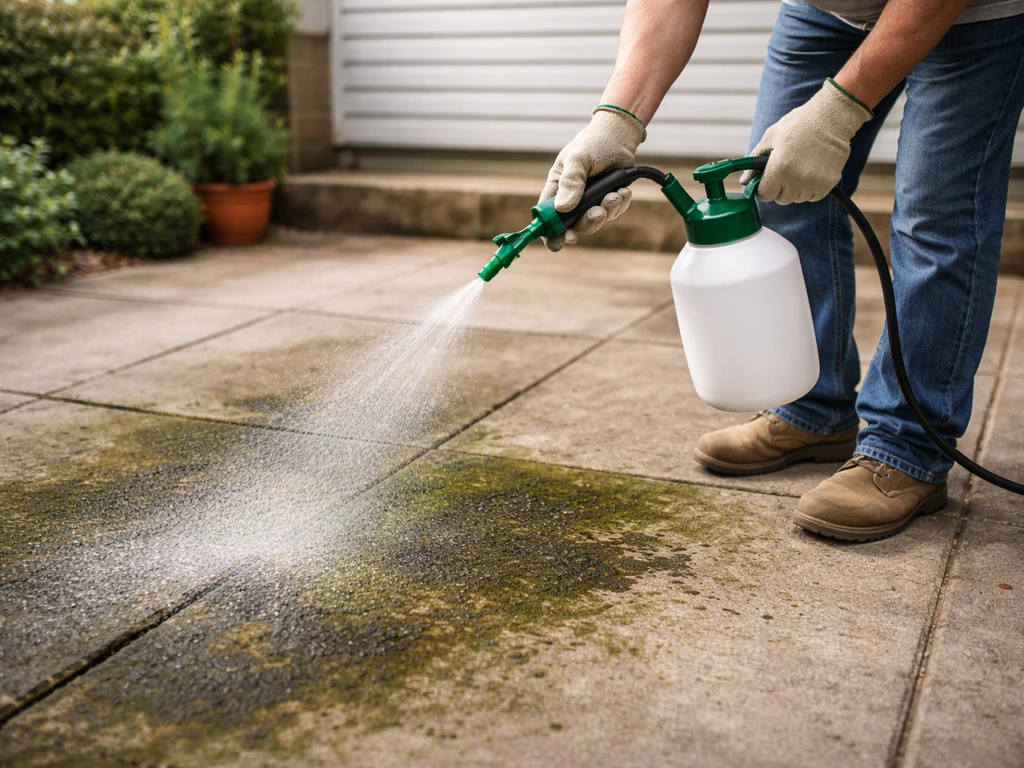
The best concrete patio cleaner depends entirely on what you're dealing with. For mold, algae, and green growth, a sodium hypochlorite (bleach-based) cleaner or a dedicated biocidal patio cleaner is your go-to. For rust stains, reach for an oxalic acid or phosphoric acid-based product. Grease and oil respond best to a TSP (trisodium phosphate) or alkaline degreaser. General dirt and grime? A pressure washer with a 25-degree nozzle and a basic concrete detergent will sort it out in an afternoon. Matching the product to the problem is the single most important decision you'll make, and this guide walks you through exactly how to do that.
Best Concrete Patio Cleaners: Choose and Use the Right One
Rhea Lang
1 May 2026
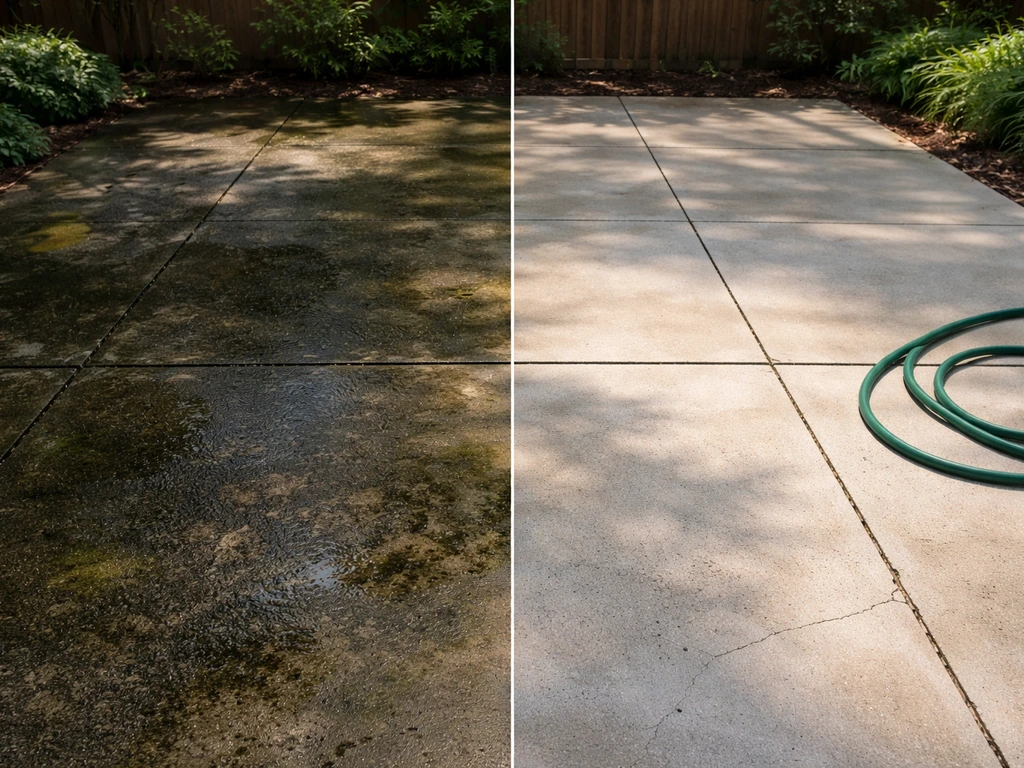
How to choose the best concrete patio cleaner for your exact mess
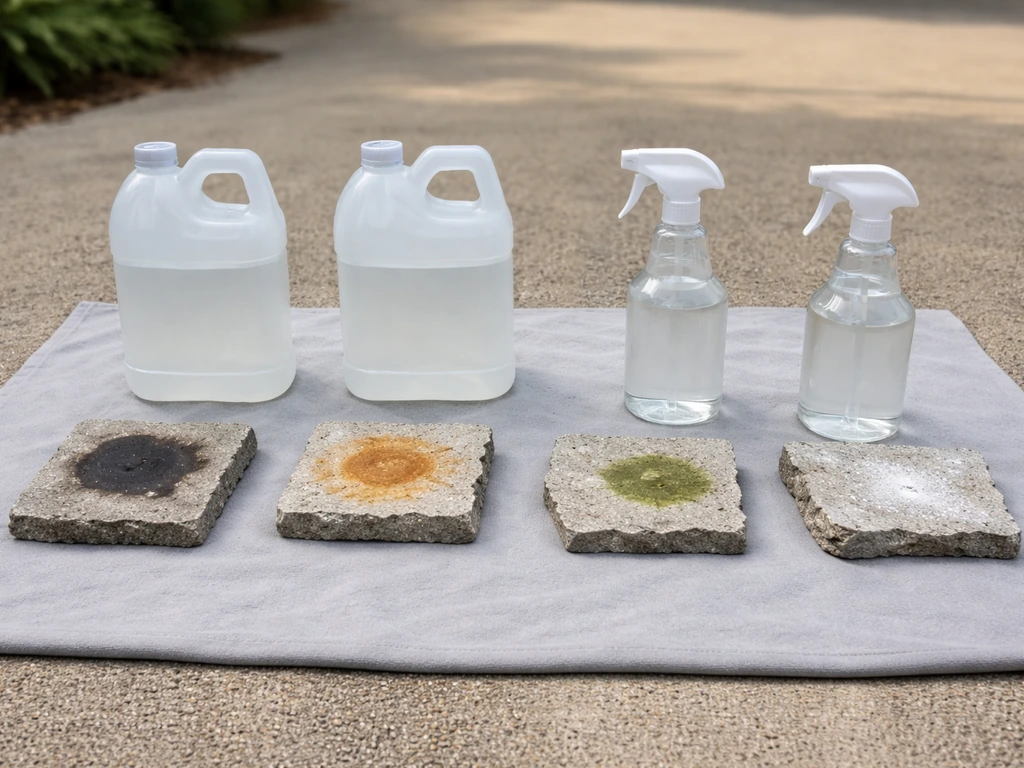
Concrete looks tough, and it is, but it's also porous. That porosity is what lets stains, salts, and biological growth get a real foothold. The mistake most people make is grabbing a generic patio cleaner and hoping for the best. What actually works is picking a cleaner whose chemistry matches what you're trying to remove.
Start by asking yourself three questions: What type of stain is it? How bad is the buildup? And how old is the concrete? New concrete (less than a year old) is more sensitive to acids and strong alkalis. Older, sealed concrete handles most cleaners fine. Unsealed, weathered concrete is the most porous and will absorb cleaners faster, so you need to work quickly.
Here's a quick decision framework to get you to the right product type fast:
| What you're seeing | Cleaner type to use | Active ingredient to look for |
|---|---|---|
| Green slime, black spots, algae, mold | Biocidal / oxidising cleaner | Sodium hypochlorite, benzalkonium chloride |
| Moss, thick biological growth | High-strength biocidal cleaner | Sodium hypochlorite, didecyl dimethyl ammonium chloride |
| Orange/brown rust marks | Acid-based rust remover | Oxalic acid, phosphoric acid |
| Oil, grease, BBQ drips | Alkaline degreaser / TSP | Trisodium phosphate, sodium hydroxide |
| White powdery deposits (efflorescence) | Mild acid cleaner | Dilute hydrochloric acid, citric acid |
| General dirt, grime, general discolouration | All-purpose concrete cleaner | Surfactants, sodium percarbonate |
| Pet stains, organic marks | Enzyme-based or oxidising cleaner | Hydrogen peroxide, enzyme complex |
Also factor in what's around your patio. If you have planted borders or lawn edging right up against the concrete, you'll want to avoid high-concentration bleach products or at least rinse surrounding vegetation thoroughly before and after treatment. Pets and kids are another consideration, and I'll cover safety in detail in the application section below.
Best concrete patio cleaners by problem type
Mold and algae
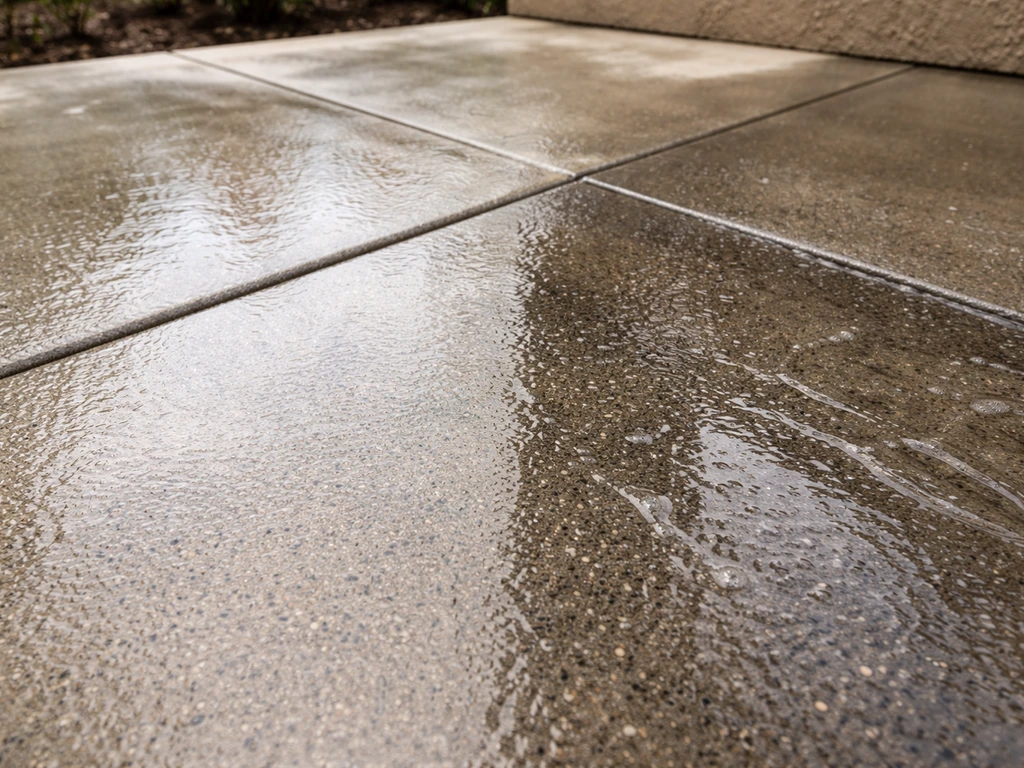
Sodium hypochlorite is the workhorse here. For light surface algae, a diluted bleach solution works well: mix 1 quart of 12.5% sodium hypochlorite with 1 gallon of water to get roughly a 2.5% active solution. For heavier mold colonisation, you want a dedicated softwash-style biocidal patio cleaner, which typically combines hypochlorite with surfactants to improve dwell and penetration. Products from brands like Wet and Forget, Patio Magic, and Pro-Kleen are purpose-built for this. Dwell time matters enormously here. On light algae, 5 to 10 minutes is enough. On thick black mold that's been sitting for a couple of seasons, you may need 20 to 30 minutes before scrubbing. Always rinse plants and grass nearby before applying and again straight after.
Moss
Moss needs a slightly stronger biocidal approach than algae because the root structure gets deeper into porous concrete. A concentrated benzalkonium chloride or sodium hypochlorite product applied at full label strength (or close to it) is what shifts it. Apply, leave it to kill the growth fully (ideally 24 hours for thick moss), then scrub with a stiff deck brush before rinsing. Trying to scrub live moss first is counterproductive. Kill it, then remove it.
Rust stains
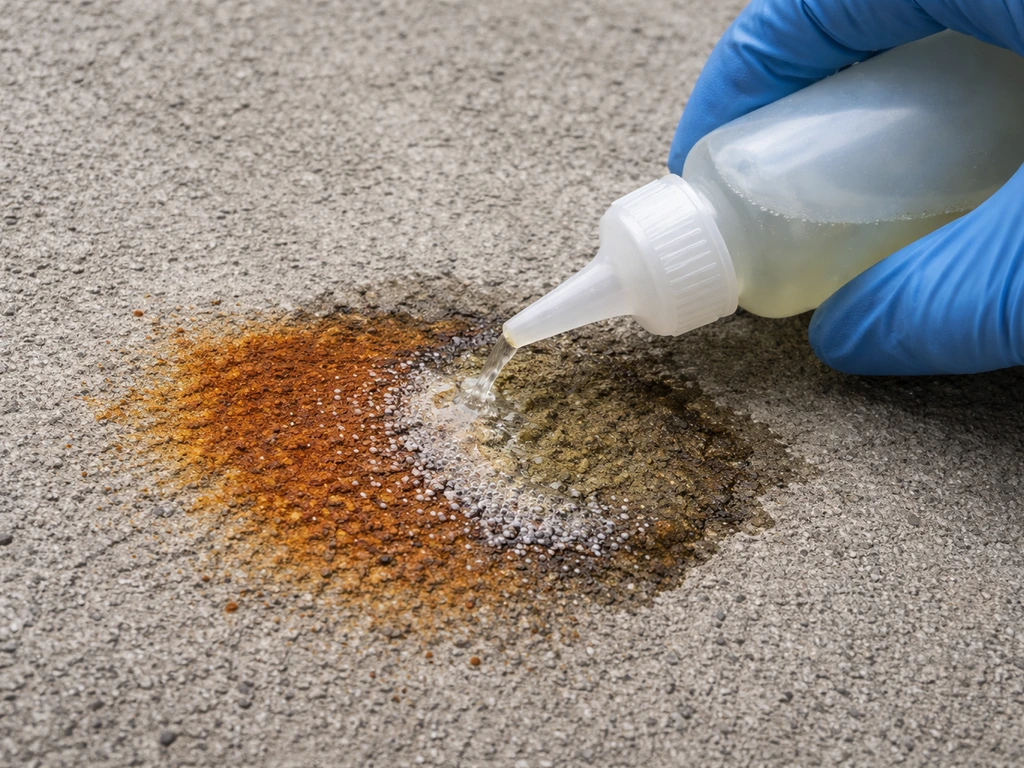
Rust is one of the trickiest stains on concrete because bleach and pressure washing will not touch it. You need a targeted acid-based remover. Oxalic acid is the most effective DIY option: mix 1 pound of oxalic acid crystals in 1 gallon of water, apply to the dampened stain, and scrub with a stiff bristle brush before rinsing thoroughly. For stubborn rust, a poultice method (paste left to sit on the stain) gives the acid more contact time. Products like Whink Rust Stain Remover are ready-to-use versions that follow the same principle: dampen the stain, apply, let it contact the surface, then rinse completely. Always rinse rust removers thoroughly because residual acid can affect any subsequent sealing.
Grease and oil
Alkaline cleaners break down grease, and TSP (trisodium phosphate) is one of the most effective options available. Mix 1/4 cup of TSP with 1 gallon of hot water, apply to the greasy area, scrub with a stiff brush, and rinse well. For heavy BBQ grease or motor oil (if you're cleaning a patio that doubles as a workspace), a dedicated concrete degreaser applied at higher concentration works faster. Pour it directly onto a dry surface for maximum penetration, give it 10 to 15 minutes, agitate, and rinse. One important note: hot water significantly improves degreaser performance. If you're using a pressure washer, a hot-water machine is a real advantage here, though most homeowners won't have one.
Efflorescence (white powdery deposits)
Efflorescence is the white, chalky residue you get when water moves through concrete and brings mineral salts to the surface. Mild cases can be scrubbed off with a stiff brush and water. For heavier deposits, a dilute acid cleaner is needed. Concrete Society also provides example acid dilution ratios for efflorescence removal, such as one part hydrochloric acid in 9 to 19 parts water or one part phosphoric acid in 9 parts water efflorescence removal example acid dilution ratios. Hydrochloric acid (muriatic acid) solutions are the most aggressive option, and guidance typically calls for very high dilutions (sometimes cited as 1 part acid to 100 parts water) for general use on concrete. Keep the treated area wet during cleaning to slow the reaction, rinse absolutely thoroughly afterward, and neutralise with a baking soda solution if using strong acid. Crucially, using high-pressure spray immediately after acid treatment can open concrete pores and encourage further efflorescence, so rinse gently and let it dry fully before any sealing.
Pet stains and organic marks
Enzyme-based cleaners break down the organic compounds in pet urine and waste, which is important because standard cleaners often just mask the smell without actually eliminating it. A hydrogen peroxide-based concrete cleaner is also a solid option here since the oxidising action neutralises organic residue effectively. Apply the cleaner, allow full dwell time per the product instructions, and rinse with clean water. For stubborn odour, repeat the treatment.
Chemical cleaner vs pressure washing: which method to use on concrete
This is the question I get asked more than almost any other, and the honest answer is that the two methods work best in combination rather than as alternatives. Pressure washing alone can remove surface dirt, algae, and loose debris brilliantly. But it has real limits: it won't touch rust stains, won't penetrate deep mold without a chemical assist, and can actually damage concrete if you use the wrong nozzle or hold it too close.
The nozzle angle makes a huge difference. A 15-degree nozzle concentrates force for stubborn stains on hard concrete. A 25-degree nozzle is the general-purpose sweet spot for most concrete patio cleaning. A 40-degree nozzle spreads pressure widely, making it safer for older or more fragile concrete but less effective on heavy buildup. Avoid the 0-degree (red) nozzle on patios entirely. I made the mistake of using a turbo nozzle on older brushed concrete once and ended up with surface pitting I had to live with.
Chemical cleaners, on the other hand, do the chemistry-specific work that water pressure simply cannot. A bleach-based cleaner kills mold at the root level. Wet & Forget’s Outdoor Concentrate, as described in its blog, is designed for green-growth removal with reaction-time guidance and is bleach-free and nearly pH-neutral Bleach-based cleaner kills mold at the root level. Oxalic acid converts iron oxide (rust) into a water-soluble compound that rinses away. Degreasers emulsify oil so it can be washed off. The practical approach for most concrete patio jobs is to apply the appropriate chemical cleaner first, give it the right dwell time, then use a pressure washer or stiff brush to agitate and rinse.
| Scenario | Recommended approach | Pressure washer role |
|---|---|---|
| Light surface dirt and dust | Pressure wash alone | Primary method |
| Algae / green film | Chemical cleaner first, then rinse | Assists rinse and agitation |
| Heavy mold / black spots | Chemical cleaner with 20+ min dwell, then scrub + rinse | Final rinse only |
| Rust stains | Acid-based remover only | Not effective; rinse gently after |
| Grease / oil | Degreaser applied dry, then agitate | Useful for final high-volume rinse |
| Efflorescence | Mild acid cleaner, wet surface during treatment | Avoid high-pressure post-acid |
| Moss (thick) | Strong biocidal, 24-hour dwell, scrub | Assists removal after kill |
One scenario where pressure washing can cause harm: on older concrete with crumbling mortar joints or fine surface cracks, concentrated pressure can widen those cracks and destabilise the surface. In those cases, a lower-pressure chemical soak and hand-scrubbing is safer. Similarly, if you pressure wash without a chemical cleaner on biological growth, you risk spreading spores across a wider area rather than killing the growth.
How to use patio concrete cleaners safely and effectively
Dilution
Most concrete cleaning concentrates give you a dilution range for a reason: start at the lower end (more diluted, around 0.5 to 1%) for light stains, and move toward the stronger end (1.5 to 2% or as high as the label allows) for heavy buildup. A general benchmark is that a 2.5% active sodium hypochlorite solution handles most biological growth on concrete, achieved by mixing 1 part 12.5% bleach concentrate with 4 parts water. For acid-based rust removers, always follow label guidance precisely because over-concentration can etch the concrete surface. When in doubt, test a small, out-of-the-way section first.
Dwell time
This is where most DIY patio cleaning goes wrong. People apply the cleaner, wait two minutes because they're impatient, then rinse it off and wonder why the stain is still there. Dwell time is when the chemistry is doing its actual work. For bleach-based cleaners on algae and mold, budget at least 5 to 10 minutes for light cases and 20 to 30 minutes for heavy colonisation. For degreaser products, 10 to 15 minutes is typical. Rust removers vary, but most gel or liquid formulations need at least 5 to 10 minutes of contact before scrubbing. Never let any cleaner dry on the surface during dwell time; if it's a hot day, mist the surface lightly to keep it wet.
Tools
A stiff-bristle deck brush or scrubbing brush is non-negotiable for most concrete cleaning jobs. The physical agitation breaks the bond between the stain and the concrete surface once the chemistry has done its work. For large patios, a long-handled brush saves your back. A watering can or garden sprayer is useful for applying diluted chemical cleaners evenly. For rinsing, a garden hose with a jet nozzle works for lighter jobs, but a pressure washer speeds things up considerably on larger surfaces.
Safety
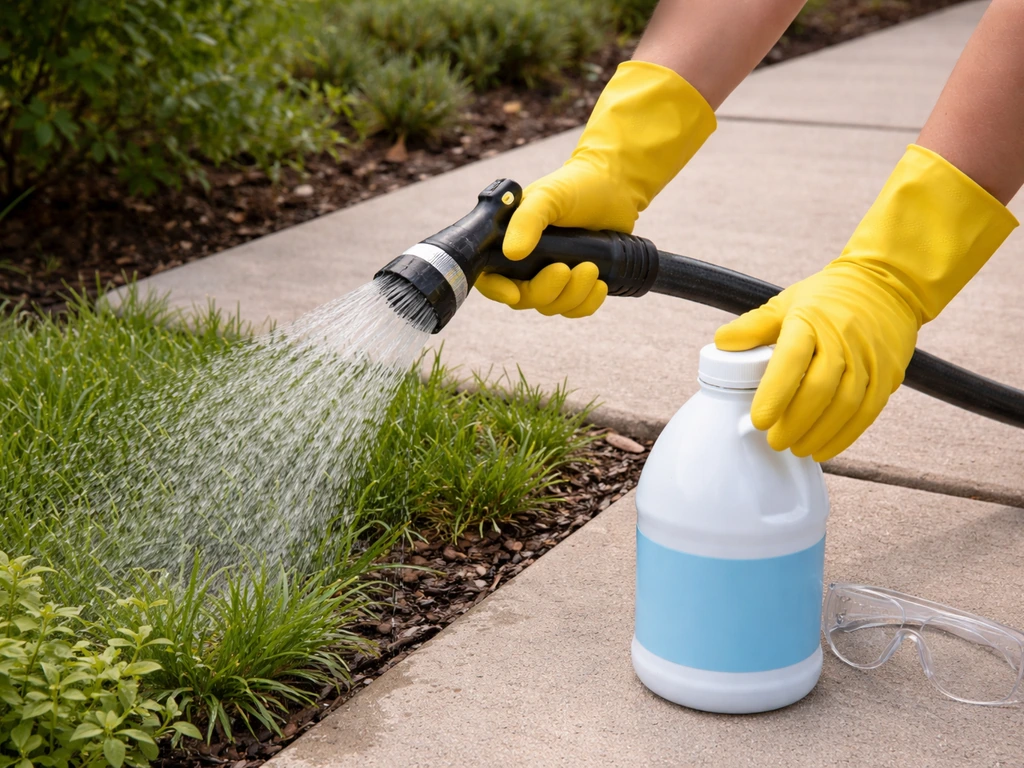
- Always wear rubber gloves and eye protection when handling bleach-based or acid-based cleaners
- Rinse nearby plants, grass, and borders with water before applying any chemical cleaner, and again immediately after
- Never mix bleach-based cleaners with acid-based products; the reaction produces toxic chlorine gas
- Keep children and pets off the treated area until you've rinsed thoroughly and the surface is dry
- Work in shaded conditions or on an overcast day where possible; direct sun causes cleaners to evaporate before they've had time to work
- Ventilate the area well if working in an enclosed or semi-enclosed patio space
Product review framework: what to look for and how to compare concrete patio cleaners
When I'm evaluating a concrete patio cleaner, I run it through the same checklist every time. Marketing claims are easy to make; these criteria tell you what's actually in the product and whether it will do the job.
- Active ingredient and concentration: The label or SDS sheet should tell you what the active chemistry is. Sodium hypochlorite percentage, oxalic acid content, or surfactant type all predict how a product will perform on specific stains. Products that don't disclose active ingredients are harder to assess.
- Stain-type match: A product marketed as a 'patio cleaner' without specifying whether it's biocidal, acidic, or alkaline is a red flag. Best-in-class products specify what stains they target.
- Dilution flexibility: Concentrates that let you adjust dilution give you more control over cost and strength. Ready-to-use products are convenient but often more expensive per square metre of coverage.
- Dwell time requirements: Shorter isn't always better. A 5-minute dwell that removes light algae and a 30-minute dwell for deep mold are both reasonable if the product is effective. Unrealistically short dwell time claims often mean the product is under-strength.
- Plant and pet safety profile: Look for products that are safe once dry or that specify a re-entry time. Enzyme-based and sodium percarbonate-based cleaners are generally safer around soft landscaping than strong hypochlorite solutions.
- Surface compatibility: Concrete is forgiving, but acid-based products can affect concrete with high calcium content or leave it more prone to efflorescence if not rinsed thoroughly. Check whether the product is specifically rated for plain concrete vs. decorative or stamped concrete.
- Coverage and value: Calculate cost per square metre at the recommended dilution, not just the purchase price. A concentrated product that covers 50 square metres per litre is usually better value than a ready-to-use product covering 5 square metres.
- Required equipment: Some products need a pressure washer to activate or rinse properly. Others work fine with a garden hose. Factor in what gear you already have.
It's also worth noting that concrete isn't the only patio surface that needs specialist treatment. If you're cleaning a porcelain tile patio instead of concrete, you may be wondering, can you use patio cleaner on porcelain tiles and which type is safest? Stone, slate, and tile patios each have their own cleaning chemistry requirements, and what works brilliantly on plain concrete can damage more delicate surfaces. For granite patios, you need a granite-safe cleaner and careful rinsing so you do not dull the stone or leave residue granite patio cleaner. If you're cleaning a slate patio, choosing the best slate patio cleaner for its surface and stains can help you get results without damaging the finish Stone, slate, and tile patios. If you're looking for the best patio tile cleaner, make sure you pick one designed for your specific tile type so you avoid damage while getting a deep clean tile patios each have their own cleaning chemistry requirements. For stone patios, choosing the best outdoor patio stone cleaner for your specific stain is just as important as matching the chemistry to concrete. If you have a mixed-material patio or are comparing surface types, those considerations matter when picking a product.
Step-by-step cleaning plans for common scenarios
Scenario 1: Light dirt and general grime (annual spring clean)
- Sweep the patio surface to remove loose debris, leaves, and sand
- Mix an all-purpose concrete cleaner or sodium percarbonate solution at the lower end of the recommended dilution (around 0.5 to 1%)
- Apply evenly across the surface using a garden sprayer or watering can
- Leave for 5 to 10 minutes
- Scrub with a stiff-bristle deck brush
- Rinse thoroughly with a garden hose or pressure washer on a 25-degree nozzle at low to medium pressure
- Allow to dry fully before use
Scenario 2: Algae and green film (seasonal buildup)
- Pre-rinse surrounding plants and grass borders with clean water
- Mix a sodium hypochlorite solution: 1 quart of 12.5% bleach concentrate to 1 gallon of water (approximately 2.5% active solution), or use a ready-made biocidal patio cleaner at label strength
- Apply to the patio surface and ensure full coverage of affected areas
- Leave for 15 to 20 minutes; mist lightly if the surface starts to dry
- Scrub with a stiff deck brush
- Rinse thoroughly, starting with surrounding plants and borders first, then the patio itself
- Repeat if heavy staining persists
Scenario 3: Heavy mold and moss (multi-season neglect)
- Pre-rinse all surrounding vegetation thoroughly
- Apply a concentrated biocidal cleaner (benzalkonium chloride or high-strength sodium hypochlorite product) at full recommended strength
- Leave to dwell for a minimum of 24 hours for thick moss; keep the surface damp if it's warm and sunny by re-applying or misting
- Once growth is visibly dead and discoloured, scrub with a stiff brush to break up the dead matter
- Rinse the surface with a pressure washer on a 25-degree nozzle, working in consistent strokes
- Check joints and edges; moss in cracks may need a second application
- Allow full drying before considering sealing
Scenario 4: Rust stains
- Dampen the stained area with clean water
- Apply an oxalic acid solution (1 pound oxalic acid crystals dissolved in 1 gallon of water) directly to the stain, or use a ready-to-use rust remover product like Whink Rust Stain Remover
- Allow 5 to 10 minutes of contact time; for stubborn stains, apply as a thick paste and cover with plastic sheeting to slow evaporation
- Scrub with a stiff bristle brush
- Rinse thoroughly with clean water; avoid high-pressure rinsing immediately after acid treatment
- Neutralise with a dilute baking soda solution if using strong acid products, then rinse again
- Repeat if the stain has only partially lifted
Scenario 5: Grease and oil stains
- Absorb as much fresh oil as possible with cat litter, sawdust, or an absorbent mat before cleaning
- Apply a TSP solution (1/4 cup TSP to 1 gallon of hot water) or a dedicated concrete degreaser directly to the dry stain
- Leave for 10 to 15 minutes
- Scrub vigorously with a stiff brush
- Rinse with high-volume water or a pressure washer on a 25-degree nozzle
- Repeat for set-in or older oil stains; multiple treatments may be needed
Preventing concrete patio stains and regrowth
Cleaning a concrete patio properly feels great, but doing it all again in six months because the algae came straight back does not. Prevention is the other half of the job, and it comes down to two things: regular maintenance to stop problems compounding, and sealing the concrete to make future cleaning far easier.
Routine maintenance that actually helps
- Sweep the patio regularly to remove organic debris (leaves, dirt) that feeds biological growth
- Keep drainage clear so water doesn't pool on the surface; standing water is the fastest way to encourage algae and moss
- Apply a preventative biocidal treatment (a diluted Wet and Forget-style product or similar) once or twice a year in autumn and spring rather than waiting for visible growth
- Deal with oil and grease spills immediately while they're fresh; dried-in stains are far harder to remove
- Move patio furniture periodically to prevent moisture trapping underneath
Whether and when to seal your concrete patio
Sealing is worth doing after a thorough clean, but the timing and product choice matter. The concrete must be fully dry before any sealer goes down. Most sealers need at least 12 to 24 hours of dry time after cleaning, and some deep-penetrating sealers specify waiting 24 hours and then testing moisture levels with a moisture meter to confirm the concrete is ready. The ASTM calcium-chloride test threshold of 4 lb per 1,000 sq ft per 24 hours is a common benchmark; readings above that are a signal to wait longer.
There are two main sealer categories to choose from. Film-forming sealers sit on top of the concrete and create a visible protective layer. They look good initially but wear down faster from UV exposure and foot traffic, and they can trap moisture if applied too soon. Penetrating sealers soak into the concrete pores and bond chemically, lasting longer and performing better in wet or shaded conditions. For most outdoor concrete patios in variable climates, a penetrating sealer is the more practical long-term choice. Rust-Oleum's penetrating concrete sealer, for example, specifies a 24 to 48-hour cure period before returning the surface to regular use.
Once sealed, biological regrowth slows significantly because the porous surface that algae and moss anchor into is no longer accessible. Stains also sit on top rather than penetrating deep, making them much easier to clean off. Reseal every 2 to 3 years depending on wear, or sooner if water stops beading on the surface and starts soaking in instead.
FAQ
Can I use the best concrete patio cleaners on sealed or painted concrete?
In most cases, no. Bleach-based cleaners and acid rust removers can etch or dull concrete finishes, and degreasers can leave films that change how paint bonds. If you want to clean a painted or sealed surface, use a product labeled for that finish and do a small test patch, then rinse until there is no slick or foamy residue.
How do I prevent algae or mold from coming back after cleaning?
For algae or mold, wet the surface first, apply the biocide, keep it damp during dwell time, then rinse thoroughly. If you see green or black residue returning within weeks, treat again with the same chemistry and increase dwell time, then seal afterward to reduce regrowth.
Is it okay to mix concrete patio cleaners to make them work faster?
Yes, but only if you follow label safety and rinse guidance. Do not mix chemicals. For example, never combine bleach with acids (including rust removers like oxalic or muriatic acid), and do not “top off” a degreaser treatment with an acid. Clean with one product, rinse well, let the patio dry, then use the next product if needed.
Can I pressure wash right after using an acid rust remover?
Rust removers need contact time with moisture, but pressure washing immediately after acid treatment can worsen future efflorescence and leave exposed pores. Rinse gently, then let the concrete dry fully before any sealing, and consider testing a moisture meter reading if you are trying to seal soon.
What’s the safest way to clean concrete patio cracks without making them worse?
If your concrete has hairline cracks, use lower pressure and prioritize chemical loosening plus hand scrubbing. High-pressure spray can widen cracks and pull out weak joint material, especially on older patios. When in doubt, choose a softer nozzle (more spread, less concentrated force) and keep the spray moving, not dwelling on one spot.
How can I tell if my patio cleaner left residue that will affect sealing?
A common sign is that the treated area stays slippery, greasy, or chalky after rinsing, and you may also see streaking on white efflorescence-like spots. If that happens, keep rinsing and consider a neutralizing step when using strong acids (baking soda solution per product directions), then allow full drying before any sealer.
What should I do if I have plants, grass, or pets near the patio when using bleach-based cleaners?
For bleach products, you want controlled application and thorough rinsing, especially near grass and edging. If plants are close, pre-wet the area, rinse vegetation immediately before and after treatment, and avoid runoff pooling in planting beds. For heavy bio growth, use a dedicated biocidal product rather than stronger bleach concentrations than the label suggests.
What’s the best dilution strategy for the best concrete patio cleaners, and when should I go stronger?
Don’t start with a stronger solution than needed. The article’s general approach is to start more diluted for light stains, then increase toward label-max only for heavy buildup. For acids (rust and efflorescence), over-concentration can etch concrete, so always stick to label guidance and test a hidden section first.
How do I remove pet urine smell if the odor returns after cleaning?
Yes. Enzyme or hydrogen-peroxide style cleaners for pet urine typically need full dwell time, usually longer than standard detergents, then a complete rinse. If odor returns, repeat with fresh product rather than adding more at once, and confirm the stain is fully treated before sealing.
How often should I reseal after using concrete patio cleaners, and what indicates it’s time?
For many patios, especially in damp or shaded areas, sealing is most effective when you prevent water and salt migration. Clean thoroughly first, let the concrete dry until it meets the sealer’s requirements (including moisture testing if specified), then reseal periodically. If water starts soaking in instead of beading, it is a sign to reseal sooner.
Can I use the same concrete patio cleaner on a mixed-material patio (concrete plus stone or tile)?
Yes, but it must match the surface. Some cleaners are formulated for concrete and can damage stone, tile, or asphalt. If your patio is mixed-material, treat each zone separately, tape off boundaries, and use a product labeled for that specific material to avoid discoloration or dulling.
Next Article
How to Use Wet and Forget Patio Cleaner Step by Step
Step by step guide to apply Wet and Forget patio cleaner, prep and safety, dwell time, rinse or no rinse, and troublesho