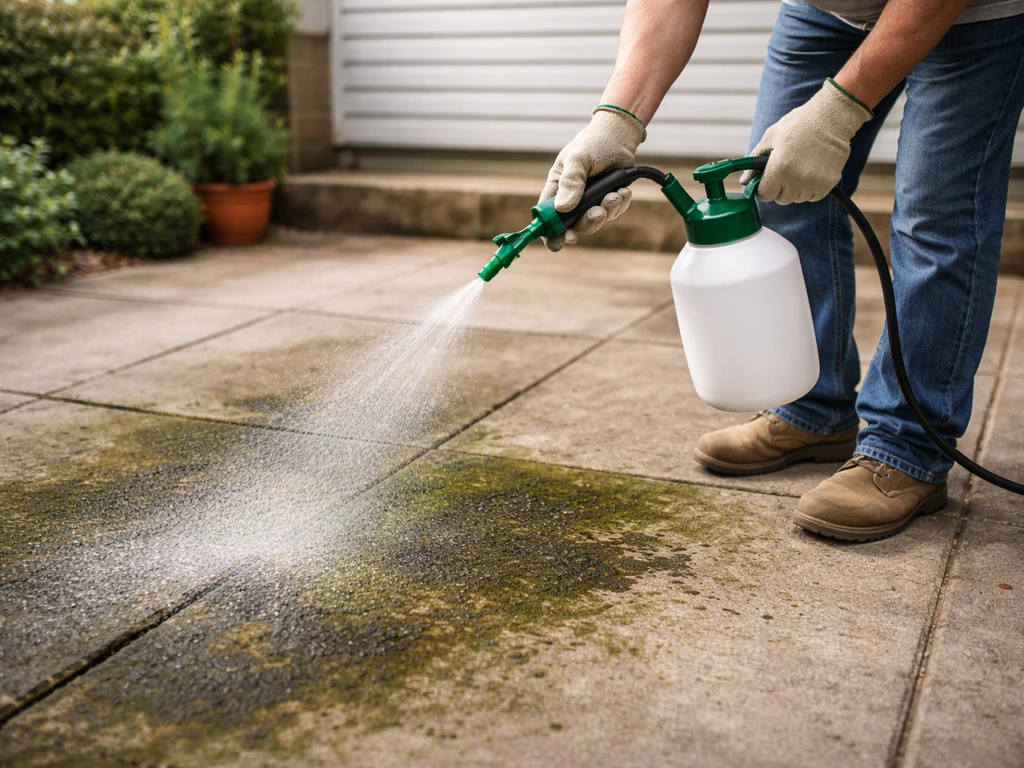
The best patio furniture cleaner depends entirely on what your furniture is made of and what you're trying to remove. For most situations, a dedicated outdoor furniture cleaner or a diluted all-purpose concentrate (like Simple Green Outdoor Cleaner or Krud Kutter) handles general grime, mold, and mildew on aluminum, resin, and most painted surfaces. If you want an easy, ready-made option, rob parkers best patio cleaner recommendations can help you choose the right formula for your specific mess. If you're looking for the best outdoor patio cleaner overall, start by matching the cleaner to the surface material and the specific stain or growth you’re dealing with. For teak and hardwood, stick to a purpose-made wood furniture wash and skip the pressure washer entirely. For rust on steel or cast iron, you need a product with oxalic acid or a phosphoric acid-based rust treatment, not a general-purpose spray. Match the formula to the material, and you'll get results without ruining the finish. For patios and driveways, a dedicated cleaner targeted to outdoor concrete and pavers is often the quickest way to lift grime without damaging the surface best patio and driveway cleaner.
Best Patio Furniture Cleaner: Match the Right Formula Fast
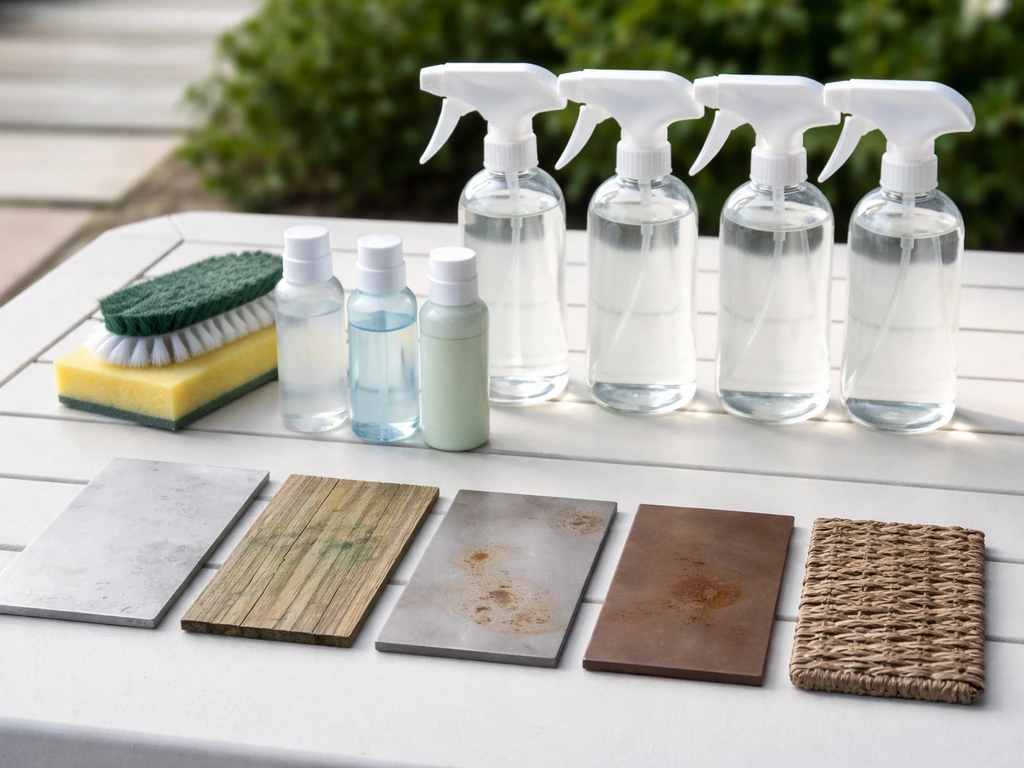
Choosing the right cleaner by material
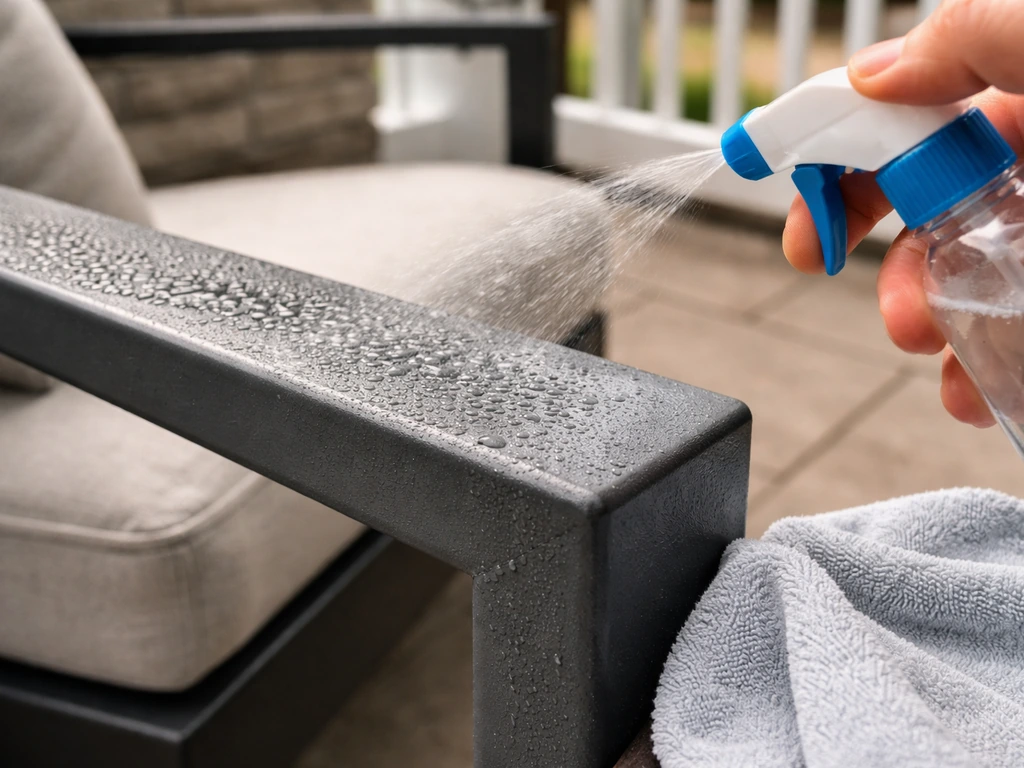
Using the wrong cleaner is how you strip a finish, bleach a wood stain, or corrode a powder coating. Here's how to match the product to what you're working with.
Aluminum and powder-coated metal
Aluminum furniture is one of the most forgiving materials to clean. A mild all-purpose cleaner diluted in warm water works well for general grime. For oxidation or chalky white buildup on uncoated aluminum, a dedicated aluminum cleaner or a paste made with cream of tartar works better than bleach, which can pit the surface. On powder-coated frames, avoid abrasive scrubbers and anything strongly alkaline, which can dull or flake the coating over time. A pH-neutral outdoor furniture cleaner is the safest bet here.
Teak and hardwood
Teak is dense, oily, and naturally weather-resistant, but it still needs the right treatment. A two-part teak cleaner (a mild acid-based Part A followed by a neutralizing Part B) is the gold standard for removing the silvery gray patina and black mold streaks that develop over time. Brands like Star Brite Teak Cleaner and Semco Teak Cleaner are well-regarded. For painted or clear-coated outdoor wood furniture, use a gentle soap-and-water solution or an outdoor wood wash. Never use bleach directly on oiled or finished teak because it strips the natural oils and can raise the grain badly.
Steel and cast iron
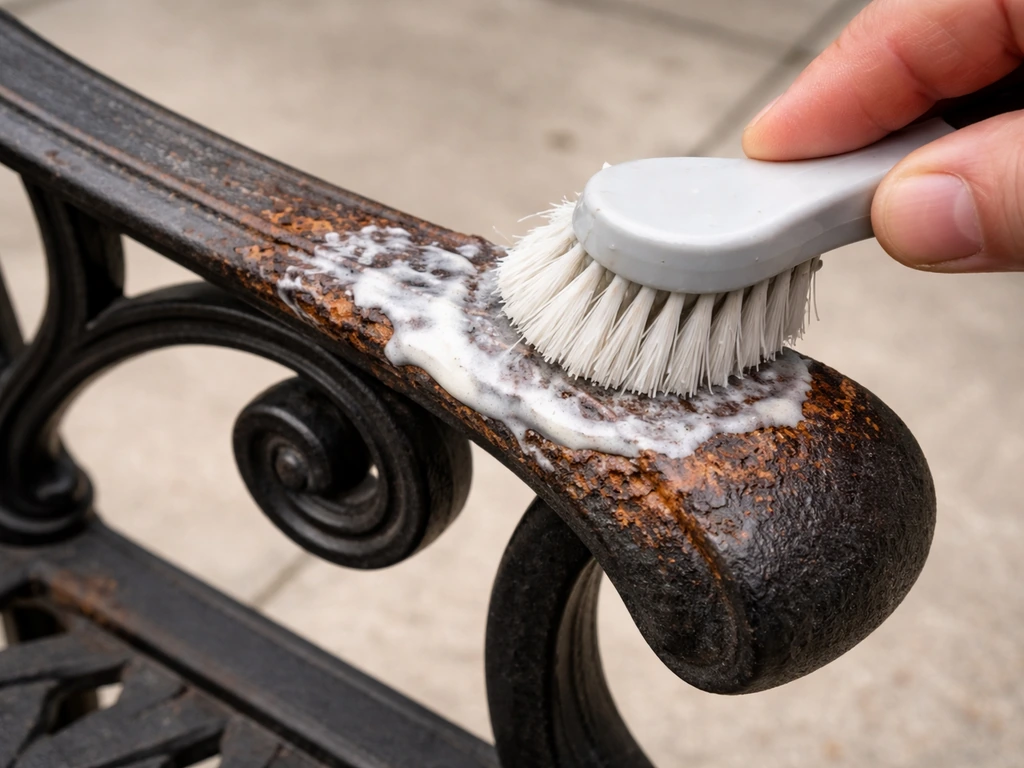
These are the high-maintenance members of the patio furniture family. If rust spots have formed, you need an oxalic acid-based cleaner (Bar Keepers Friend works well on surface rust) or a phosphoric acid converter for more serious corrosion. For general cleaning, warm soapy water is fine, but you must dry cast iron and steel furniture thoroughly immediately after washing. Any moisture left sitting accelerates rust. After cleaning, apply a protective wax or a rust-inhibiting outdoor furniture sealant.
Wicker and rattan
Natural wicker is genuinely delicate and does not respond well to soaking or high-pressure water. Use a mild soap solution applied with a soft brush, working it into the weave gently, then wipe away rather than rinse heavily. Synthetic resin wicker (the more common type on modern patio sets) is more forgiving and handles a good rinse well. Avoid bleach on natural wicker as it can weaken and discolor the fibers. For mold in the weave, a diluted white vinegar solution is safer than a harsh chemical cleaner.
POLYWOOD and resin/plastic
POLYWOOD and similar high-density polyethylene (HDPE) lumber furniture is about as easy to clean as outdoor furniture gets. According to POLYWOOD's own guidance, you can use a pressure washer on their furniture, and a diluted solution of soap and water or a dedicated plastic furniture cleaner removes most stains. One firm rule from POLYWOOD: never mix bleach with other cleaning products. Bleach on its own, diluted in water (roughly 1 part bleach to 3 parts water), can tackle stubborn mold on HDPE surfaces, but mixing it with other cleaners creates fumes and can damage the material.
Stone, porcelain, and composite surfaces
If you have stone-topped furniture or composite table surfaces, treat them similarly to patio surfaces. A pH-neutral stone cleaner prevents etching on natural stone, while porcelain tops are more tolerant and handle diluted all-purpose cleaners well. Avoid acidic cleaners (including vinegar) on natural stone, marble, or limestone, as they cause surface etching. This is the same principle that applies when cleaning stone patio surfaces.
Tackling the most common patio furniture problems
Mold, mildew, and algae
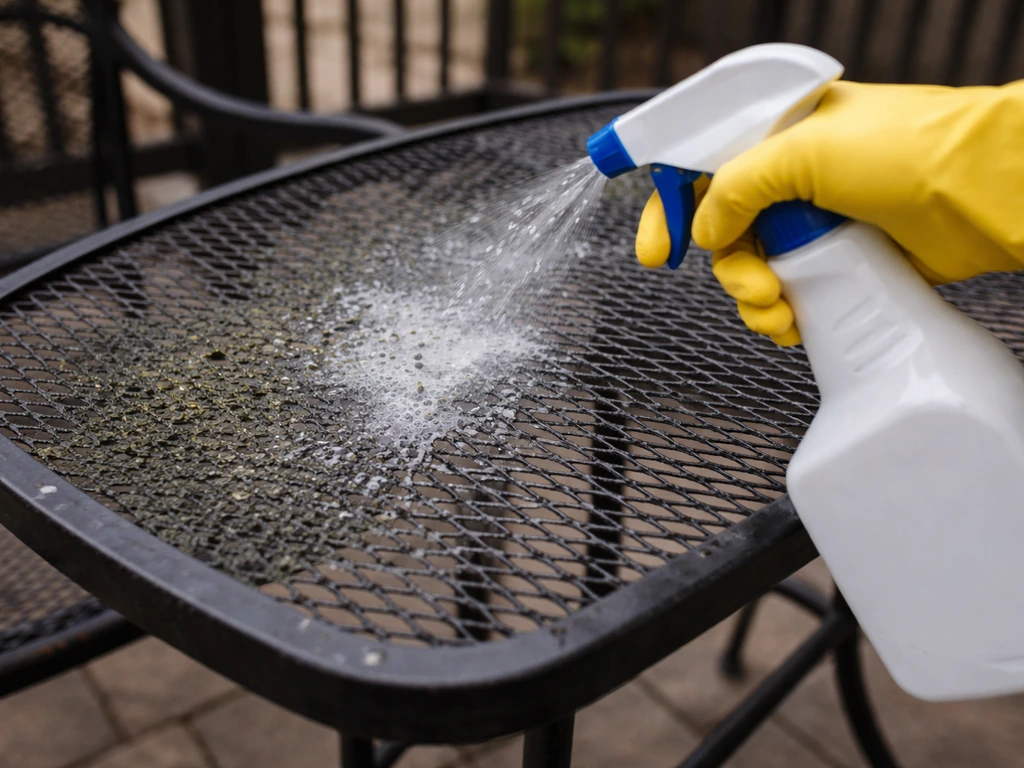
This is the most common issue, especially on furniture that sits in shaded or damp spots over winter. For most non-wood surfaces, a diluted bleach solution (1:3 with water) or a dedicated mold and mildew remover like Wet and Forget Outdoor is effective. Wet and Forget is particularly good because it's a no-scrub, spray-and-leave formula that works over several days with rain and sun doing the heavy lifting. Wet & Forget’s FAQ also notes that it blank" rel="noopener noreferrer">does not re-activate after the initial dry time, and it provides application precautions for the first several hours. For wood furniture, use a purpose-made mold cleaner for wood rather than bleach. For the worst mold problems, especially on resin or plastic, a product with sodium hypochlorite will kill the spores rather than just removing the surface stain.
General grime and embedded dirt
Seasonal grime from pollen, dust, bird droppings, and general outdoor exposure responds well to an all-purpose outdoor cleaner. Simple Green Outdoor Cleaner, Krud Kutter Exterior Cleaner, and similar concentrates handle this reliably. Apply, let it dwell for 5 to 10 minutes, agitate with a soft brush, then rinse thoroughly. Don't let concentrate cleaners dry on the surface, especially in direct sun, as this can leave streaks or residue.
Rust spots
Surface rust on steel furniture can often be addressed with Bar Keepers Friend (oxalic acid-based) applied as a paste, left for 5 minutes, then scrubbed with a nylon brush. For deeper rust on cast iron, a phosphoric acid rust converter is more appropriate as it chemically transforms the rust rather than just removing it. After treating rust, always apply a protective finish or wax to prevent recurrence. On aluminum, what looks like rust is usually oxidation and responds to aluminum-specific polish rather than rust remover.
Grease and food residue
BBQ grease and food spillage on furniture is best tackled with a degreasing cleaner. Krud Kutter is excellent here. Apply it directly to the greasy area, let it sit for 3 to 5 minutes, then scrub and rinse. On fabric cushion covers, a dedicated upholstery or fabric cleaner works better than a hard-surface cleaner. For cushion foam, spot-clean with mild dish soap rather than soaking the whole cushion, which leads to mildew inside the foam.
Chemical cleaner options worth knowing
There are three main formats to consider: ready-to-use sprays, concentrates, and specialty formulas. Each has a different use case.
| Format | Best For | Example Products | Notes |
|---|---|---|---|
| Ready-to-use spray | Quick spot cleaning, small furniture pieces | Wet and Forget Outdoor Spray, 30 Seconds Outdoor Cleaner | Convenient but more expensive per use than concentrates |
| Concentrate | Full furniture sets, seasonal deep cleaning | Simple Green Outdoor Cleaner, Krud Kutter Exterior, Oxy-Solve Total Outdoor Cleaner | Dilute to task; stronger value for large jobs |
| Mold/mildew specialty | Heavy mold, black streaks, embedded algae | Mold Armor, Spray & Forget, Wet and Forget | No-scrub formulas need longer dwell time (days, not minutes) |
| Rust treatment | Steel, cast iron, surface corrosion | Bar Keepers Friend, Evapo-Rust, phosphoric acid converters | Match strength to severity of rust |
| Teak/wood-specific | Oiled or finished hardwood furniture | Star Brite Teak Cleaner, Semco Teak Cleaner | Two-part formulas give best results on weathered teak |
| pH-neutral stone cleaner | Stone or marble furniture tops | Black Diamond Stone Cleaner, Method Daily Granite | Avoid acidic or alkaline cleaners on natural stone |
For most homeowners with a standard aluminum or resin furniture set, a good quality outdoor concentrate cleaner is the most versatile single purchase. If you're dealing with a specific mold problem, add a no-scrub mold remover to your kit. If you have teak, buy a teak-specific two-part cleaner rather than improvising.
Natural and low-tox alternatives (and when they actually work)
I'll be straight with you: natural cleaners are genuinely effective for light-to-moderate grime and mildew, but they have real limits on heavy staining or serious mold. Here's where they earn their place and where they fall short.
- White vinegar diluted 1: 1 with water: good for light mildew and general grime on aluminum, resin, and synthetic wicker. Do not use on natural stone, teak with an oil finish, or painted surfaces, as the acidity can cause damage over time.
- Baking soda paste: excellent mild abrasive for surface stains on plastic and resin furniture. Apply as a paste, scrub gently, rinse well.
- Dish soap and warm water: underrated for regular maintenance cleaning on almost any material. A few drops of Dawn in a bucket of warm water handles weekly grime on metal and resin effectively.
- Oxygen bleach (sodium percarbonate, like OxiClean): a genuinely good low-tox option for mold and staining on wood furniture. Safer than chlorine bleach for wood fibers and surrounding plants.
- Lemon juice with salt: works as a mild rust treatment on surface oxidation spots. Not strong enough for serious rust, but fine for cosmetic marks on aluminum.
The honest limitation of natural cleaners is dwell time and effort. To match the results of a commercial mold remover with white vinegar, you're looking at multiple applications and significantly more scrubbing. For a quick seasonal clean, that's a reasonable trade-off. For furniture that's been sitting out all winter with serious black mold colonies, reach for the commercial product and save the elbow grease.
Step-by-step cleaning method for patio furniture
This sequence works for most furniture types. Adjust the product and agitation intensity based on the material.
- Move the furniture onto grass or a hard surface away from drains if you're using chemical cleaners, and remove cushions to clean separately.
- Pre-rinse with a garden hose to remove loose dirt, pollen, and surface debris. This prevents grit from being ground in during scrubbing and lets you see what you're actually dealing with.
- Apply your chosen cleaner. For sprays, apply directly. For concentrates, dilute according to the label and apply with a sponge, soft brush, or pump sprayer.
- Allow the product to dwell. Most general cleaners need 5 to 10 minutes. No-scrub mold treatments like Wet and Forget are designed to be left for days. Never let any cleaner dry completely on the surface, especially in hot sun.
- Agitate with a soft-bristle brush or non-scratch scrubbing pad. Work in sections and pay attention to joints, weave gaps, and undersides where mold hides.
- Rinse thoroughly with a garden hose. Work from top to bottom to avoid running dirty water over cleaned sections. Make sure all cleaner residue is gone, especially on teak and wood, where product buildup can affect any subsequent oiling or sealing.
- Dry the furniture. Metal furniture, especially steel and cast iron, should be wiped down with a dry cloth immediately to prevent water spots and rust initiation. Wood furniture benefits from air drying in direct sun before any oil or sealant is reapplied.
For cushions, zip off the covers and machine wash if the label allows it. Spot-clean foam inserts with diluted dish soap and allow to dry fully in the sun before reassembling. Putting damp cushions back into covers is the fastest way to grow mildew inside the foam.
Pressure washing vs gentle cleaning: know the difference
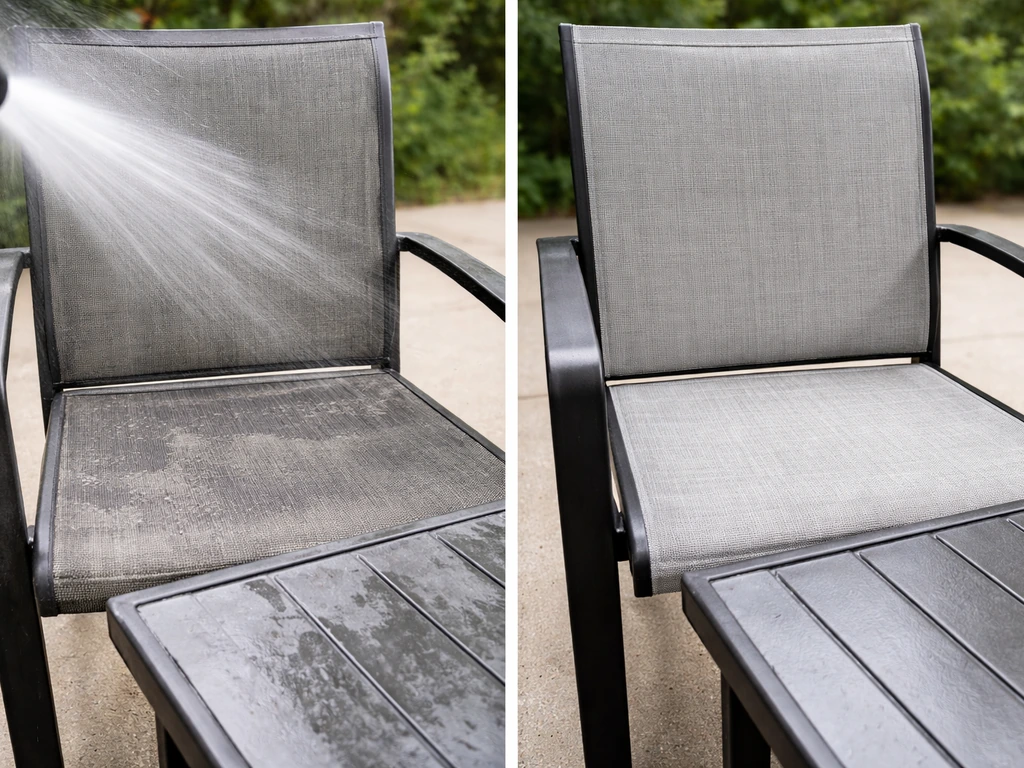
Pressure washing is tempting because it's fast, but it's genuinely not appropriate for all patio furniture, and using it wrong causes real damage.
When you can use a pressure washer
POLYWOOD and HDPE resin furniture handles pressure washing well. For these materials, keep the pressure around 1,200 to 1,500 psi, use a fan-tip nozzle, and keep the wand at least 2 feet from the surface. Powder-coated aluminum frames can be pressure washed with care at lower pressure settings (under 1,200 psi) and a wide fan angle. Consumer Reports recommends being particularly careful around gaps and joints where water can be forced into the structure.
When to leave the pressure washer in the shed
Teak is a clear no. Country Casual Teak explicitly says don't pressure wash teak furniture, and Teak Culture agrees. The high pressure raises the grain, damages the surface finish, and can push water into joints, which causes swelling and cracking. Natural wicker and rattan are similarly off-limits for pressure washing. The force tears at the fibers and loosens the weave structure permanently. For any furniture with a clear coat, lacquer finish, or painted surface, pressure washing risks stripping the coating, especially at joints or edges. PermaChink, writing about finished wood surfaces, states that pressure washing is not recommended for maintenance cleaning of an existing finish.
The safer middle ground
A garden hose with a spray nozzle (not a pressure washer) combined with a good cleaner and some manual scrubbing delivers excellent results on furniture without any risk of finish damage. I'd always default to this approach for furniture and reserve the pressure washer for the patio surface itself, where it really earns its place. That same gentle, material-matched approach is also what you should use when choosing the best outdoor patio mop for everyday cleaning. If you're thinking about cleaning the underlying patio surface too, the approach differs significantly from furniture cleaning.
How to choose the right cleaner: a practical checklist
Run through these questions before you buy anything. They'll narrow down your options fast.
- What material is your furniture? Aluminum, teak, resin/HDPE, steel/cast iron, wicker, or stone-topped each need a different approach. Never assume one product is universal.
- Is the surface sealed, oiled, painted, or raw? Sealed and finished surfaces are more sensitive to strong chemicals and high pressure. Unfinished or weathered surfaces are generally more forgiving but may need a deeper clean.
- What's the stain type? Mold/mildew, general grime, rust, grease, or oxidation all have different chemical solutions. Using a mold remover on rust won't work, and using a rust treatment on mold is a waste of money.
- How severe is the problem? Light grime: dish soap and water. Moderate mold: all-purpose outdoor cleaner or diluted bleach. Heavy mold or rust: specialty product.
- Do you have plants, pets, or children around? Opt for oxygen-bleach or non-chlorine formulas if runoff will reach garden beds. Always check product labels for pet safety. Chlorine bleach is effective but needs proper dilution and care around greenery.
- Are you in a hard-water area? Mineral deposits on furniture (white chalky spots) aren't mold. They need a mild acid-based cleaner, not a mold remover.
- Does the furniture have fabric, cushions, or wicker inserts? These need separate treatment from metal or resin frames. One product rarely covers all parts of a furniture set.
Quick material-to-product reference
| Material | General Cleaning | Mold/Mildew | Rust | Avoid |
|---|---|---|---|---|
| Aluminum (powder-coated) | pH-neutral all-purpose cleaner | Diluted bleach or mold spray | Aluminum polish (not rust remover) | Strong alkalis, abrasive pads |
| Teak / hardwood | Teak-specific cleaner (two-part) | Oxygen bleach solution | N/A | Chlorine bleach, pressure washer |
| POLYWOOD / HDPE resin | Soap and water or outdoor concentrate | Diluted bleach (1:3) | N/A | Never mix bleach with other products |
| Steel / cast iron | Mild soap and water (dry immediately) | Diluted bleach | Bar Keepers Friend or phosphoric acid | Leaving wet, abrasive pads on finishes |
| Natural wicker / rattan | Mild soap, soft brush, minimal water | Diluted white vinegar | N/A | Soaking, pressure washing, bleach |
| Synthetic resin wicker | Outdoor all-purpose cleaner | Diluted bleach or mold spray | N/A | Pressure washing close-range |
| Natural stone tops | pH-neutral stone cleaner | Specialist stone mold treatment | N/A | Vinegar, acidic cleaners, bleach |
One last thing: if you're cleaning your furniture and the patio underneath it at the same time, the products and methods for the patio surface itself are quite different from what works on furniture. Hard surfaces like concrete, porcelain, and stone flags handle stronger concentrations and pressure washing much better than most furniture materials. Treating them as one job with one product usually means compromising on one or the other.
The bottom line: pick your cleaner based on material first, stain type second, and severity third. Use the gentlest method that gets the job done. Keep the pressure washer for the patio itself, not the furniture on it. And when in doubt, always test any new product on a small, inconspicuous area before going all in.
FAQ
Can I use the same patio furniture cleaner on every piece in my set?
Usually no. Even within one set you may have different materials (aluminum frames, resin slats, painted wood arms, wicker accents). Match by material first, then by the issue (mildew versus grease versus oxidation). If you want one “starter” product, pick a pH-neutral cleaner for routine grime and keep separate options for teak, rust, and heavy mold.
What’s the safest way to test a new patio furniture cleaner before using it on the whole item?
Test on a hidden spot near the underside, a back corner, or where cushions sit. Apply exactly as directed, then rinse and let it fully dry before judging. Look for three things after drying: color change, dullness or chalking, and any new rough texture that suggests finish damage.
How do I clean mildew without bleaching or lightening the surface?
Start with a dedicated mold and mildew remover (often no-scrub spray-and-leave). For many non-wood surfaces, a diluted bleach solution can work, but it can still discolor some finishes and fabrics, especially if it dries before rinsing. On wood, avoid bleach and use a wood-safe mold cleaner designed for exterior lumber.
Should I rinse and dry aluminum furniture right after cleaning?
Yes. Aluminum cleaners and mildew removers can leave residue if they dry, which shows up as streaks or dull spots. Rinse thoroughly, then dry with a microfiber towel, particularly around joints, seams, and rail ends where moisture can linger.
What’s the difference between oxidation and rust on patio furniture?
Oxidation typically occurs on aluminum and looks like dull, chalky, whitish buildup rather than reddish flaking corrosion. Rust is mainly on iron or steel and usually comes with reddish-brown spots that can spread. If the piece is aluminum, use oxidation or aluminum-specific polish rather than rust removers that target iron oxides.
Can I use vinegar for mold on patio furniture?
Only for specific cases. Vinegar can help on some mildew situations, but acidic cleaners like vinegar are not safe for natural stone (marble, limestone) because they can etch. For natural wicker, a diluted vinegar solution is often safer than harsh chemicals, but for other materials it may be less effective than a purpose-built mold remover.
Will baking soda or other abrasives damage my patio furniture finish?
They can. Abrasives often create micro-scratches that make powder coating dull faster, and they can wear through paint on corners and edges. If you need scrubbing, use a soft brush and a cleaner formulated for the surface, saving powders and scouring pads for bare, non-finished materials only (and even then, test first).
How long should cleaners dwell, and what happens if they dry on the surface?
Most concentrates need a short dwell window, commonly about 5 to 10 minutes, then agitation and a thorough rinse. If the product dries on the surface (especially in direct sun), it can leave streaks, residue, or a film that attracts more dirt later. If it starts to dry, add water to re-wet and continue per the product directions.
What’s the best approach for BBQ grease on plastic or resin patio furniture?
Use a degreaser rather than a general all-purpose cleaner. Apply it directly to the greasy area, let it sit briefly, then scrub gently and rinse well. Grease can bond to plastics if it’s not broken down chemically, so skipping the degreasing step usually means more scrubbing and weaker results.
Can I pressure wash my patio furniture, and what should I avoid?
Only certain materials handle it well. HDPE resin and POLYWOOD can tolerate pressure washing with controlled pressure and distance, but powder-coated aluminum still needs caution around gaps and joints. Avoid pressure washing teak, natural wicker, rattan, and most clear-coated or painted finishes because high pressure can strip coatings, raise grain, or permanently loosen the weave.
How do I clean rust on cast iron versus steel without making it worse?
For surface rust, an oxalic acid-based product works to remove the rust. For deeper corrosion on cast iron, a phosphoric acid rust converter is better because it chemically transforms rust rather than just lifting it. After either treatment, dry completely and apply a protective wax or rust-inhibiting sealant to slow repeat rusting.
Can I soak patio cushion foam in cleaner to get mold out?
Generally no. Soaking foam invites mildew growth inside the cushion. Instead, spot-clean foam with mild dish soap, rinse lightly if needed, then dry fully in direct sun. For covers, follow the label and machine wash only if the fabric care instructions allow it.
What should I do if my patio furniture smells musty even after cleaning?
A musty odor often means mildew or trapped moisture remains in crevices or cushion interiors. Re-check for lingering moisture, rinse thoroughly, and dry completely before reassembling. For cushions, ensure foam is fully dry before putting covers back on, and consider a breathable airing period in sun after cleaning.
Is it okay to clean patio furniture and the patio floor with the same product if I’m doing both at once?
Usually not. Patio floors (concrete, porcelain, pavers) often tolerate stronger cleaners and higher mechanical action than furniture finishes. Mixing the jobs tends to under-clean one surface or damage the other, so plan separate products and methods even if you clean them in the same afternoon.
How to Use Wet and Forget Patio Cleaner Step by Step
Step by step guide to apply Wet and Forget patio cleaner, prep and safety, dwell time, rinse or no rinse, and troublesho