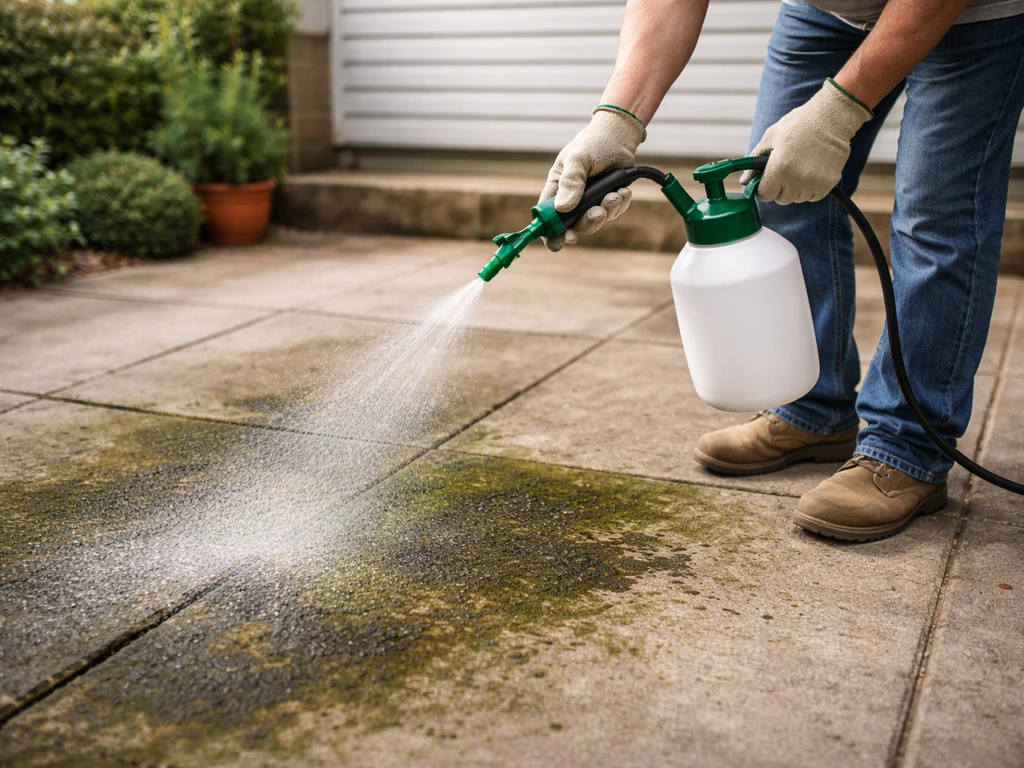
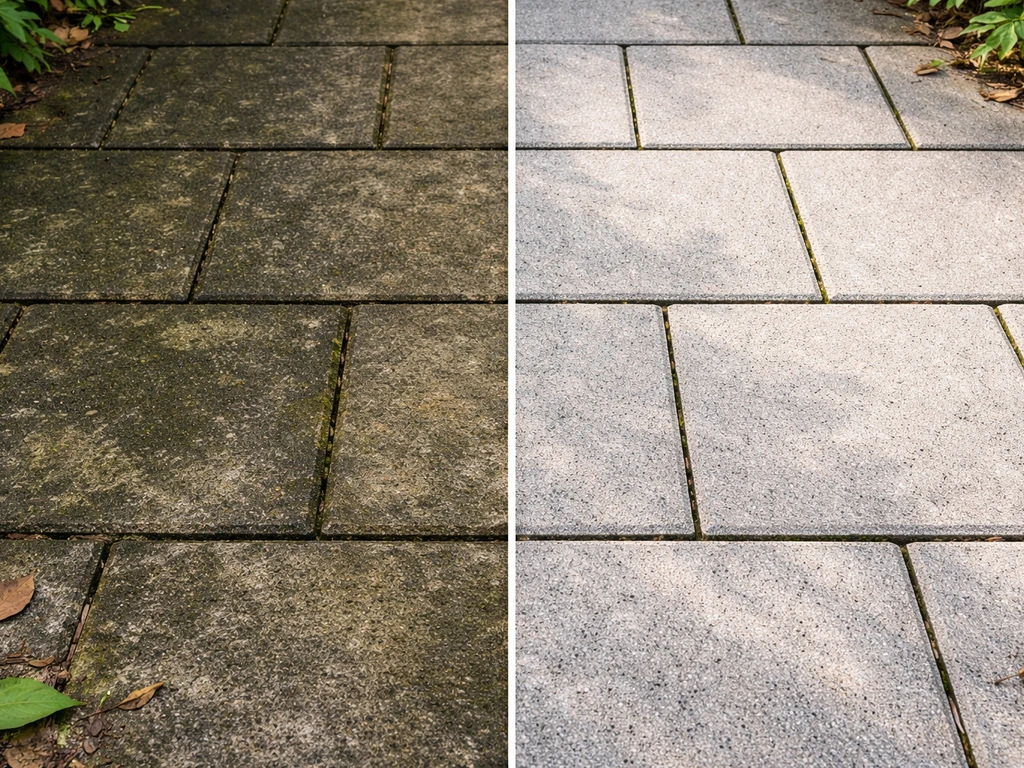
Monty Miracle Patio Cleaner works well on light-to-moderate green algae, mold, and general surface grime on most hard patio surfaces, but it struggles with deep-set black spot, heavy rust, grease, and pet stains. If your patio has a thin layer of green slime or surface mold, you'll likely get a solid result. If you're dealing with thick, ingrained black lichen or old rust staining, you'll probably need to follow up with a scrub brush or pressure washer regardless of what the bottle says.
Monty Patio Cleaner Reviews: Results by Surface and Stain

Rhea Lang
7 May 2026
What Monty Miracle Patio Cleaner is and what it claims to do
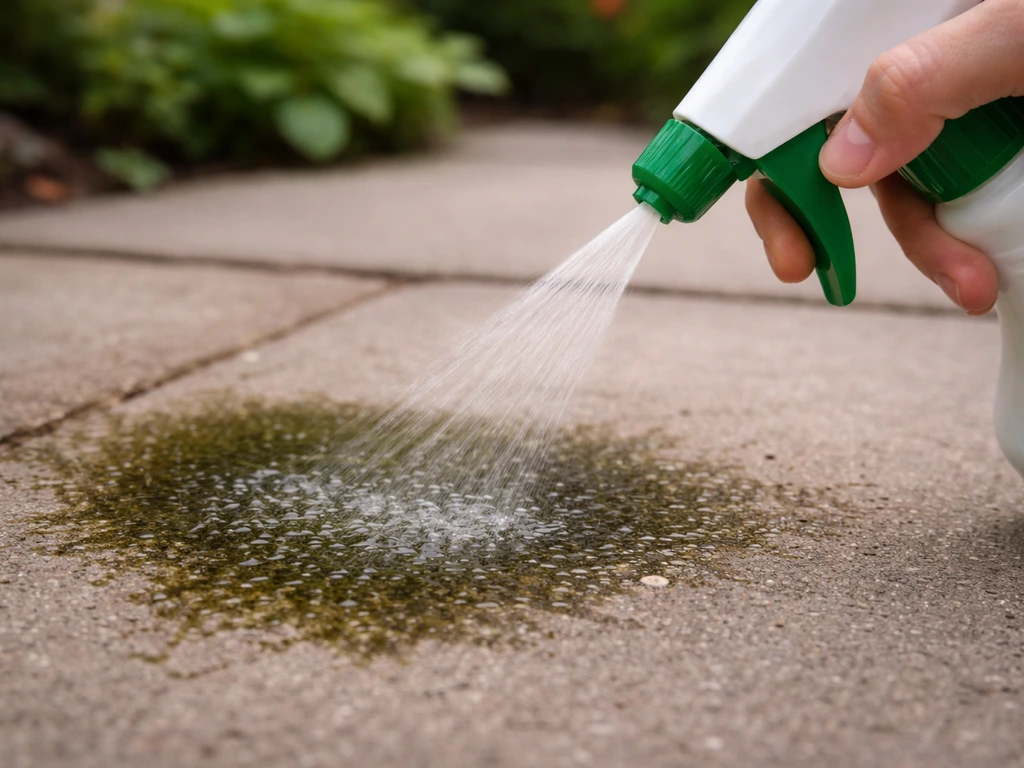
Monty Miracle's Complete Outdoor Cleaner (often just called Monty Patio Cleaner) is a ready-to-use liquid designed for outdoor hard surfaces. It's made in the UK and sold in 5-litre bottles, which the brand says will cover around 25 square metres. That's a decent amount for an average back patio, but a large driveway will need multiple bottles.
The brand's pitch is straightforward: spray it on, leave it for 6 to 10 minutes, and rinse off with a garden hose. No pressure washer, no heavy scrubbing. According to the official instructions and their website FAQs, the product 'neutralises itself' if left longer than 10 minutes, so you don't need to stress about timing too precisely. For stubborn patches, they recommend reapplying and working it in for a few minutes before rinsing.
The claimed surface list is broad: brick and block paving, natural stone and Indian stone, artificial stone, tarmac, concrete, and other hard exterior surfaces. That's most of what UK homeowners have underfoot, which is partly why it's become a popular search. The active chemistry behind the cleaning is sodium hypochlorite (listed at 1 to less than 5% on the Safety Data Sheet), alongside potassium hydroxide and a surfactant blend. In plain terms: it's a bleach-based cleaner with a detergent component. That's worth knowing when you're deciding whether it's right for your surface and your garden.
What it actually does to different types of staining
Pulling together feedback from real users alongside the product chemistry, here's a realistic picture of performance by stain type.
Mold and surface algae (green slime)
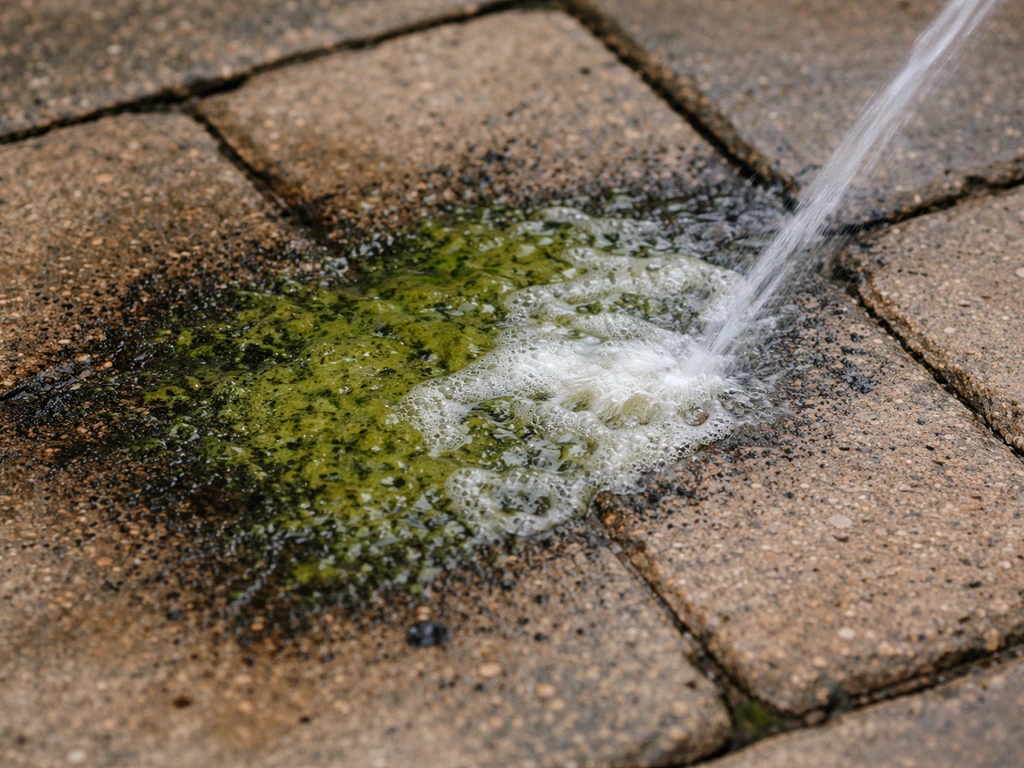
This is where Monty Miracle performs best. The sodium hypochlorite content kills surface algae and mold effectively, and reviewers consistently report that green staining lifts well after the dwell time and a hose rinse. Decking and paving described as 'lovely and bright' after treatment are common in positive reviews. If your patio has gone green over winter, this is a reasonable first choice.
Moss (heavy growth)
For light moss or the residual staining after you've physically removed thick clumps, Monty Miracle does a decent job. But if you've got a thick carpet of established moss, don't expect the cleaner alone to dissolve it. You'll need to scrape or brush the bulk off first, then apply the cleaner to kill roots and lift the staining. Skipping that step is one of the most common reasons people say it 'didn't work.'
Black spot lichen
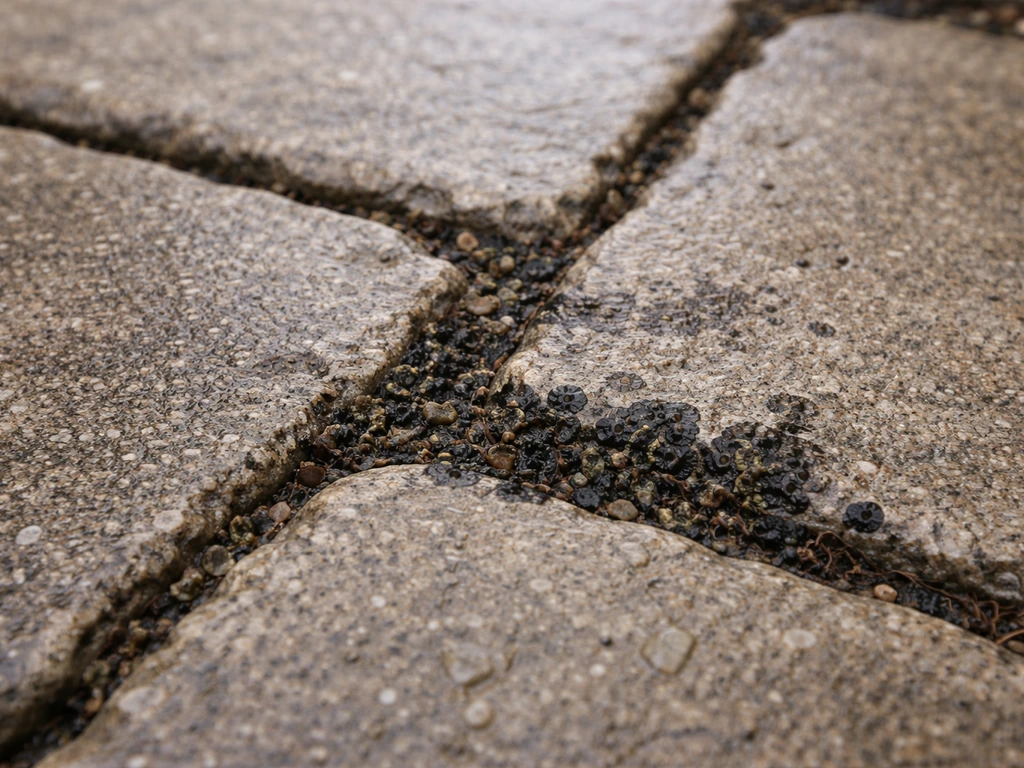
This is where the reviews split sharply. Black spot is a lichen, not just surface mold, and it bonds to the surface much more aggressively. Multiple Trustpilot reviewers specifically mention that black spots remained after treatment, with one noting that it 'lifted the colour but not more so than a jet wash' and that 'all black spots are still there.' For black spot, you almost always need a dedicated lichen treatment, a stiff brush, and usually a pressure washer to follow up.
Rust stains
Monty Miracle is not a rust remover. Its bleach-based formula is designed for biological growth, not iron oxide staining. If you've got orange or brown rust marks from metal furniture, planters, or a skip, you need an oxalic acid-based rust remover rather than a general patio cleaner.
Grease and oil stains
The surfactant component does give it some degreasing ability, but it's not strong enough for heavy cooking grease or motor oil spills. Light surface grease may shift with agitation, but anything that's soaked in will need a dedicated degreaser or repeated applications with scrubbing between them.
Pet stains and odour
The bleach content will neutralise pet urine odour and kill bacteria, so it does have some use here. However, sodium hypochlorite is harmful to pets during application (more on that below), and the product isn't specifically formulated as a pet stain treatment. For porous surfaces like natural stone, a pet-specific enzyme cleaner will often penetrate and break down organic matter more thoroughly.
Surface compatibility: will it damage your patio?
| Surface | Compatible? | Notes |
|---|---|---|
| Concrete | Yes | Handles well. Good for algae and general grime on standard concrete. |
| Brick and block paving | Yes | Works on most common brick. Watch for older, softer brick which can be more sensitive to bleach. |
| Natural stone / Indian stone | Use with care | Bleach can dull or discolour some sandstone over repeated use. Test on a hidden area first. |
| Sandstone | Use with care | Porous and bleach-sensitive. Light application and quick rinse recommended. Avoid repeated soaking. |
| Slate | Use with care | Most slate handles it fine, but very porous or flaky slate can be affected. Test first. |
| Porcelain tiles | Yes | Non-porous surface handles bleach-based cleaners well. Good choice for porcelain patios. |
| Sealed surfaces | Yes, but check seal | Bleach can degrade some sealers over time. If recently sealed, check the sealer manufacturer's guidance. |
| Unsealed porous stone | Caution | Product will penetrate deeply. Rinse thoroughly and don't leave dwell time too long. |
The key thing to remember is that sodium hypochlorite can bleach or discolour porous, unsealed natural stone if left on too long or used too frequently. Always test a small, hidden patch first on sandstone, limestone, or any unfamiliar stone surface before doing the whole patio.
How to use Monty Miracle correctly
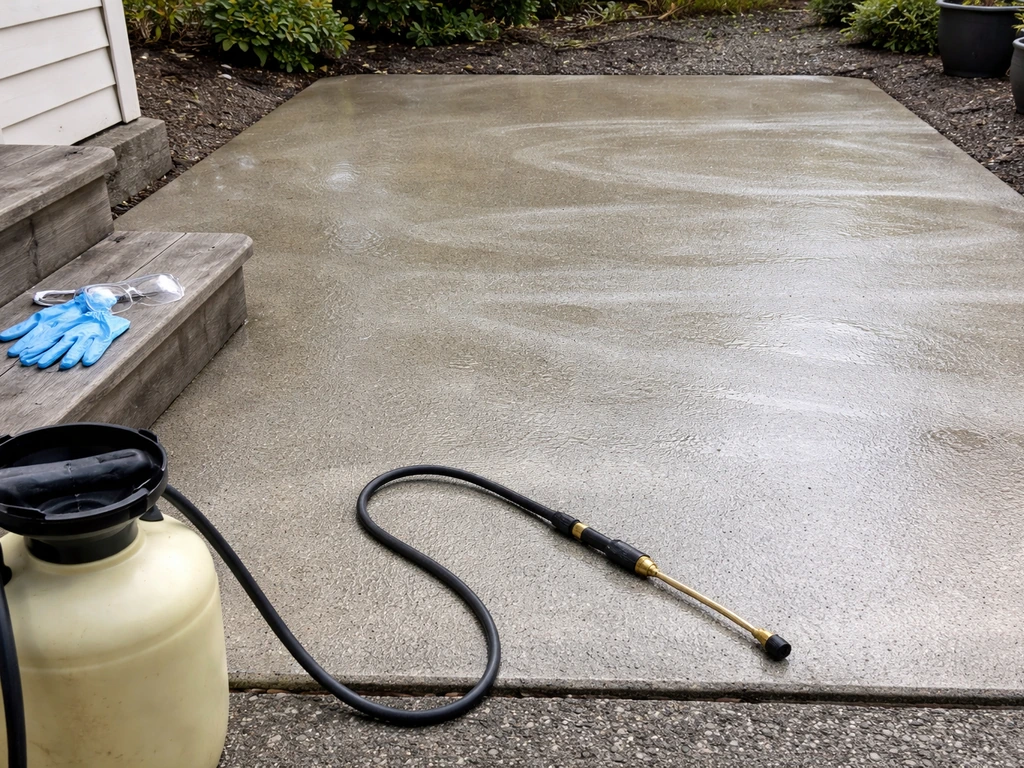
The official instructions are pretty clear, but there are a few practical details that make a noticeable difference to results.
- Clear the patio. Move furniture, plant pots, and any loose debris. You want full access to the surface and you don't want the product pooling under items.
- Wet the surrounding soil and plants with plain water first. This dilutes any overspray or runoff before it reaches your borders (more on plant safety below).
- Apply Monty Miracle directly from the bottle. It's ready-to-use, no dilution needed. Use the trigger spray or pour it on and spread with a brush. Apply to dry or slightly damp paving for best penetration.
- Agitate after 3 to 5 minutes. Use a soft-bristle or medium-stiff brush to work it into the surface, especially around the edges of slabs where growth tends to be heaviest. This is the step many people skip, and it makes a real difference.
- Leave for 6 to 10 minutes total from first application. Don't let it dry on the surface in hot sun.
- Rinse thoroughly with a garden hose. Use a decent flow rather than a trickle, and direct the rinse water away from planting beds where possible.
- For stubborn patches, reapply immediately and scrub again before rinsing a second time. Don't leave the reapplication sitting for another full 10 minutes without agitating.
One practical tip: do this job in the morning or on a mild, overcast day. Direct summer sun causes the product to evaporate or dry before it can dwell properly, which reduces effectiveness and can leave residue marks.
The honest pros and cons
Based on the product's chemistry, official guidance, and real user reviews, here's a balanced picture.
| Pros | Cons |
|---|---|
| Ready to use, no dilution or mixing | Struggles with deep black spot lichen |
| Works well on green algae and surface mold | Not effective for rust or ingrained grease |
| Covers ~25m² per 5L bottle | Some users report no result at all on very dirty patios |
| No pressure washer needed for lighter jobs | Can streak on certain surfaces if not rinsed fully |
| Quick application and dwell time | Bleach content can damage plants and is harmful to pets during use |
| Broadly compatible with common patio surfaces | Repeated use may degrade stone sealers or dull some natural stone |
| Made in the UK, widely available | Negative aquatic/environmental impact means careful disposal is needed |
The streaking issue is worth flagging specifically. It tends to happen when the product isn't rinsed off completely, particularly on textured or slightly porous surfaces like riven sandstone or aged concrete. If you notice a white film or uneven patches after drying, a second thorough rinse usually sorts it. Going over the area with a stiff brush during the rinse helps too.
Coverage is another point where expectations need managing. The 25m² per 5L claim assumes moderate soiling. If your paving is heavily coated with algae or you're applying liberally to really caked-on areas, you'll likely get closer to 15 to 18m² per bottle.
Safety, plants, pets, and the environment
The Safety Data Sheet for Monty Miracle classifies it as corrosive and eye-damaging, and as environmentally hazardous due to aquatic toxicity. That's not to scare you off using it, but it does mean a few non-negotiable precautions.
- Wear safety glasses or goggles. The SDS flags serious eye damage risk. This isn't optional.
- Wear chemical-resistant gloves. Standard rubber washing-up gloves are fine.
- Keep children and pets off the patio during application and until the surface has been rinsed and dried completely.
- Pre-wet plants and lawn edges with plain water before you start, and again after rinsing to further dilute any runoff.
- Don't pour excess product or heavily contaminated rinse water directly into drains or water features. Dilute heavily with water.
- Work in reasonable ventilation. Outdoors is usually fine, but avoid applying in a totally enclosed courtyard with no airflow.
- Don't mix with other cleaning products, especially any containing ammonia or acid-based cleaners.
On the plant question: I've seen patios treated with bleach-based cleaners where the borders took minor damage from run-off, particularly on acid-loving plants like heathers near the edge. The pre-wetting step genuinely helps. If you have mature, established planting right up against the paving, consider redirecting your rinse water or using a hose to actively flush it away from the roots.
When Monty won't cut it, and what to do instead
Some situations genuinely need a different approach, and being honest about that upfront saves you buying a second bottle in frustration.
When to add a scrub brush
If you haven't got a stiff deck or patio brush, buy one before you buy the cleaner. For any staining that's been building up over more than one season, the product alone won't dislodge it. Agitation mid-dwell is the difference between an average result and a good one. A long-handled stiff brush lets you work the product in without kneeling on wet paving.
When to pressure wash
Despite the brand's 'no jet washing needed' claim, multiple real-world reviewers found that a pressure washer was necessary to finish the job, particularly for black spot and heavily ingrained dirt. If you've treated the patio, left it the full dwell time, scrubbed, and still have visible staining, a medium-pressure rinse (around 100 to 130 bar for most domestic patios) will shift what the chemical loosened but couldn't fully lift. Keep the lance moving and use a fan nozzle rather than a pinpoint jet to avoid etching joints or soft stone.
When you need a different product entirely
For rust staining, you need an oxalic acid or phosphoric acid-based rust remover, not a bleach cleaner. For deep black spot on natural stone, look at products specifically labelled for lichen removal, which tend to use stronger active concentrations or different chemistry. For heavy oil or grease, a dedicated alkaline degreaser will outperform a dilute bleach-surfactant blend every time.
If you're weighing up alternatives to Monty Miracle, products like Patio Magic or HG Patio Cleaner are worth comparing depending on what you're dealing with, as each has different chemistry and dwell-time approaches suited to different problem types. If you want more detail, check out the Patio Magic cleaner reviews to see how it compares for different staining types.
If you're comparing alternatives, check out this HG patio cleaner review to see how it stacks up for the staining you have.
Quick decision guide: which approach fits your situation
| Problem | Monty Miracle alone? | Better approach if not |
|---|---|---|
| Light green algae / slime | Yes, good match | N/A |
| Surface mold | Yes, good match | N/A |
| Established moss (thick) | Partial: pre-scrape needed | Scrape first, then treat |
| Black spot lichen | No | Dedicated lichen remover + pressure washer |
| Rust stains | No | Oxalic or phosphoric acid rust remover |
| Heavy grease / oil | No | Alkaline degreaser |
| Pet urine odour on stone | Partial | Enzyme-based pet cleaner for porous surfaces |
| General dirt on concrete | Yes | Add a stiff brush for best result |
The bottom line: Monty Miracle is a solid, easy-to-use patio cleaner for its intended job, which is biological growth on common hard surfaces. It earns the positive reviews it gets when used correctly on the right problems. The disappointing reviews almost always come down to using it on problems it was never designed to fix, or skipping the agitation step. Get the match right, follow the process, and it delivers. Get the match wrong, and you'll be back to square one reaching for a pressure washer anyway. If you’re also trying to find where to buy Goo Gone Patio Furniture Cleaner, compare nearby retailers and check availability before ordering.
FAQ
How long should I leave Monty Patio Cleaner on the patio for best results?
Aim for the recommended dwell time, typically 6 to 10 minutes. If you exceed it, the brand says it neutralises itself, but in practice leaving it too long can increase the chance of white residue or uneven marks on slightly porous textures.
Can I use Monty Patio Cleaner on sealed paving or sealed natural stone?
Use extra caution. Sealed surfaces can still streak if rinsing is incomplete, and sealed stone can trap softened residues that then dry as a film. For any sealed limestone or sandstone, do a small hidden test and rinse longer than you think you need.
What’s the best way to avoid streaking or a white film after rinsing?
Rinse thoroughly until the runoff looks clear, especially on riven sandstone, aged concrete, and other textured areas. If you spot uneven patches after drying, do a second full rinse, and scrub with a stiff brush during the rinse to lift the remaining residue.
Do I need to pre-wet the patio before applying Monty Patio Cleaner?
Pre-wetting helps, particularly around planting edges and on dusty or dry surfaces. It reduces uneven chemical action and can also help redirect runoff away from shrubs and acid-loving plants that are sensitive to bleach-based products.
Will it kill algae but still leave the patio looking dark?
Yes, that can happen. The cleaner is strong on living growth, but dark colour from older staining can remain even after the algae or mold is dead. For persistent dark patches, you usually need agitation (scrub brush) and, in some cases, a pressure washer afterward.
Is Monty Patio Cleaner safe to use around pets and pets on the patio?
During application it can be harmful to pets because it contains sodium hypochlorite. Keep pets away until the product is fully rinsed off and the surface is completely dry. For porous patio areas where odour may linger, consider a pet-specific enzyme cleaner instead of relying on this product.
What should I do if there are still black spots after using Monty Patio Cleaner?
Treat it as a lichen problem. Monty Miracle can lift some colour, but reviewers commonly report black spots remaining. Expect to use a lichen-specific treatment plus stiff brushing, and often a pressure washer to finish the removal.
Will Monty Patio Cleaner remove rust stains from metal furniture?
Usually not. It’s designed for biological growth, not iron oxide. For orange or brown rust marks, switch to an oxalic acid or phosphoric acid-based rust remover and avoid trying to “bleach away” deep rust with this product.
Can I use it for heavy grease, motor oil, or deep cooking stains?
Light surface grease may shift with agitation, but heavy oil or ingrained grease usually needs an alkaline degreaser. For best results, apply the degreaser for its intended dwell time, scrub, and rinse, then only use Monty Patio Cleaner if you still have growth issues.
How many bottles do I really need for my patio?
The 5 litre, 25 m² coverage assumes moderate soiling and a reasonable application. If your paving is heavily coated, plan closer to 15 to 18 m² per bottle, and consider buying slightly extra rather than relying on the maximum label coverage.
Is it true you don’t need a pressure washer at all?
The instructions are written as if no jet washing is needed, and many users get good results without it. However, real-world feedback shows pressure washing is often necessary for black spot, deep embedded dirt, and long-established staining, typically after the dwell time and brush agitation.
What pressure is safe if I do need to rinse with a pressure washer?
For most domestic patios, a medium range such as about 100 to 130 bar is commonly used. Keep the lance moving, use a fan nozzle, and avoid pinpoint jets that can etch joints or damage soft stone.
Will Monty Patio Cleaner harm nearby plants or grass?
Runoff can cause minor damage, especially near acid-loving plants like heathers. Pre-wet the area, redirect rinse water away from borders, and consider using a hose rinse to flush away from roots rather than letting treated runoff pool at the edges.
What should I wear and what safety steps matter most?
The Safety Data Sheet classification means you should treat it as corrosive and eye-damaging. Wear eye protection, gloves, and old clothing, avoid splashes, keep kids away during application, and prevent it from entering drains or waterways.
What’s the most common reason people feel Monty Patio Cleaner “didn’t work”?
Skipping agitation or not removing thick growth first. If moss clumps or ingrained grime are present, scrape or brush the bulk off, then apply the cleaner and work it in with a stiff brush during the dwell time before rinsing.
Next Article
How to Use Wet and Forget Patio Cleaner Step by Step
Step by step guide to apply Wet and Forget patio cleaner, prep and safety, dwell time, rinse or no rinse, and troublesho