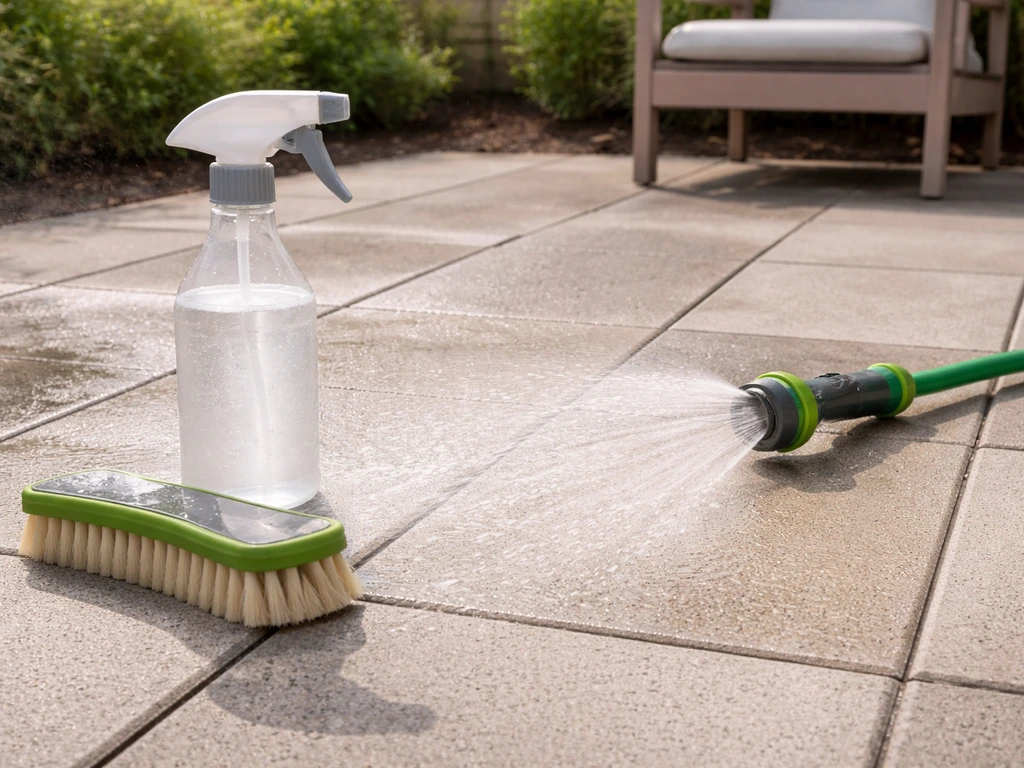
The best natural patio cleaner for most homeowners is an oxygen bleach (sodium percarbonate) solution. It handles mold, algae, moss, and general grime on virtually every common patio surface without the harsh chemical risks of chlorine bleach or the surface-etching danger of vinegar. Mix roughly one scoop (about 100g) per litre of warm water, apply generously, let it sit for 20–30 minutes, scrub, and rinse. That single method covers around 80% of patio cleaning jobs. Where it falls short, you have targeted options for rust, grease, pet stains, and more delicate stone surfaces, and that's exactly what this guide covers.
Best Natural Patio Cleaner Guide for Mold, Mildew, Grime
Rhea Lang
5 May 2026
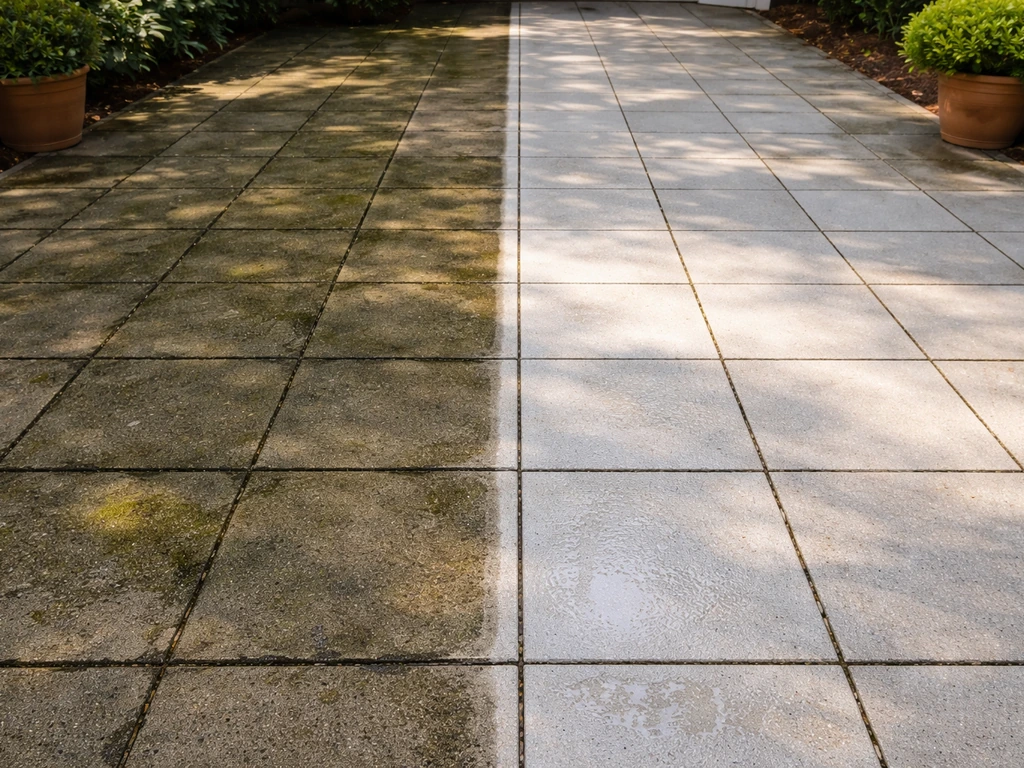
Matching your cleaner to your patio surface
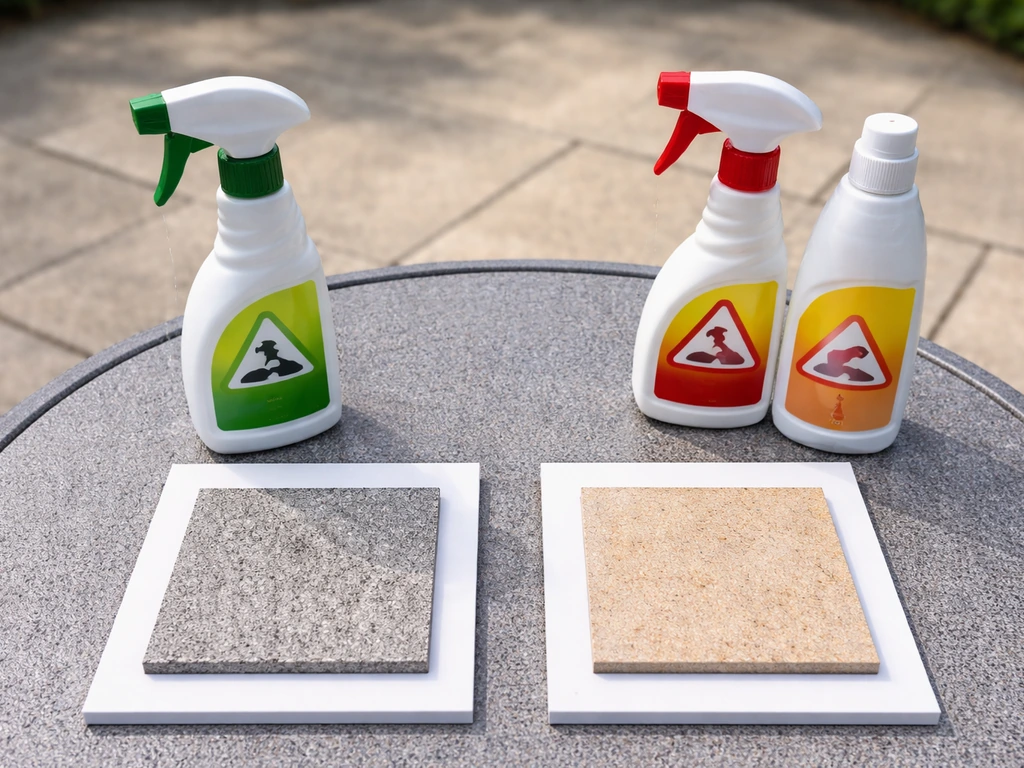
This is the step most people skip, and it's where things go wrong. The same cleaner that works brilliantly on concrete can permanently damage sandstone or limestone. The core rule is simple: acidic cleaners (vinegar, citric acid, hydrochloric acid) dissolve calcium carbonate. If your patio contains calcium carbonate, you cannot use acid on it. That etching is not reversible with more cleaning. It requires professional honing or polishing to fix.
| Surface | Safe for acid cleaners? | Safe for oxygen bleach? | Safe for enzyme cleaners? | Watch out for |
|---|---|---|---|---|
| Concrete | Yes (diluted) | Yes | Yes | Strong acid can pit surface over time |
| Brick | Yes (diluted) | Yes | Yes | Mortar joints can degrade with repeated acid use |
| Porcelain/ceramic pavers | Yes | Yes | Yes | Grout joints more vulnerable than tile |
| Slate | Yes (diluted) | Yes | Yes | Flaking if pressure is too high |
| Sandstone | No | Yes (cool solution) | Yes | Very porous, avoid soaking |
| Limestone | No | Yes (pH-neutral preferred) | Yes | Acid etching is permanent |
| Marble/travertine | No | Use cautiously, pH-neutral is safer | Yes | Extremely etch-prone, test first |
| Indian stone/quartzite | Caution (test first) | Yes | Yes | Iron deposits can react unpredictably with acid |
For sandstone and limestone, stick with pH-neutral soap-based cleaners, oxygen bleach used cool (warm water activates it faster but hot water can cause surface stress on porous stone), or enzymatic cleaners for pet stains. For concrete, brick, porcelain, and slate, you have much more flexibility and can use most of the options in this guide.
Best natural cleaners by stain type
Mold, algae, and moss
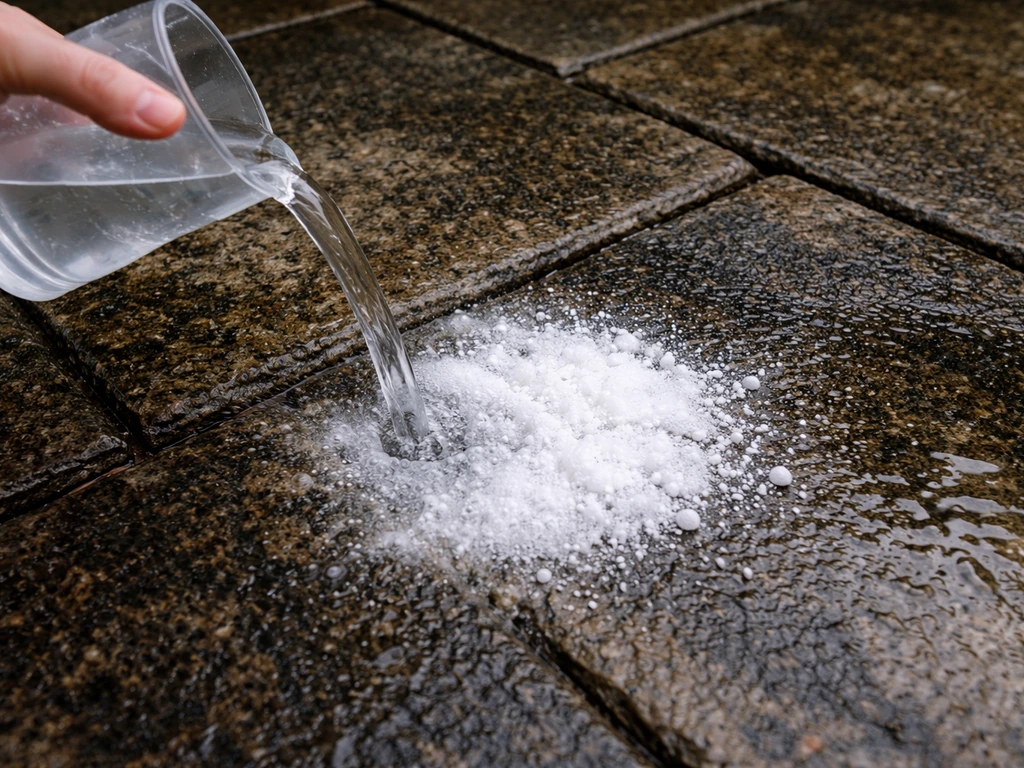
Oxygen bleach (sodium percarbonate) is the go-to here. It works by breaking down into hydrogen peroxide and washing soda when dissolved in water. That released oxygen oxidises the organic matter in mold, algae, and moss, lifting it from the surface rather than just bleaching the colour. It's effective on concrete, brick, slate, and porcelain. For sandstone and limestone, dilute it more (half strength) and use cooler water. OxiClean Outdoor is a well-known retail version that markets itself as plant and animal safe, and broadly that's accurate at normal dilution. For heavy moss on rougher surfaces, a dedicated patio moss killer based on sodium percarbonate or a fatty-acid surfactant blend often outperforms DIY mixes because of the added wetting agents.
Hydrogen peroxide (3% solution, available from pharmacies) is also a legitimate option for mold. Saturate the affected area and leave it for at least 10–15 minutes before scrubbing. It works well on non-porous surfaces and is genuinely safe for pets and plants once dry. The drawback is cost and volume at 3%: you'll get through a lot of it on a large patio. It can also cause bleaching or discoloration on some darker stones, so always do a patch test in an inconspicuous corner first.
Grease and oil
For grease, you need a surfactant, not an oxidiser. Dish soap (a plant-based or castile soap works well) is genuinely effective at cutting cooking oil, barbecue grease, and similar stains on concrete and paving. Apply undiluted to the dry stain, work it in with a stiff brush, let it sit for 10 minutes, then add a small amount of hot water and scrub again before rinsing. For baked-on or old grease, a citrus degreaser (d-limonene based) does a noticeably better job. These are plant-derived and safe to use around planted borders once rinsed through. Avoid them on limestone or marble, though, as citrus products tend to be mildly acidic.
Rust stains
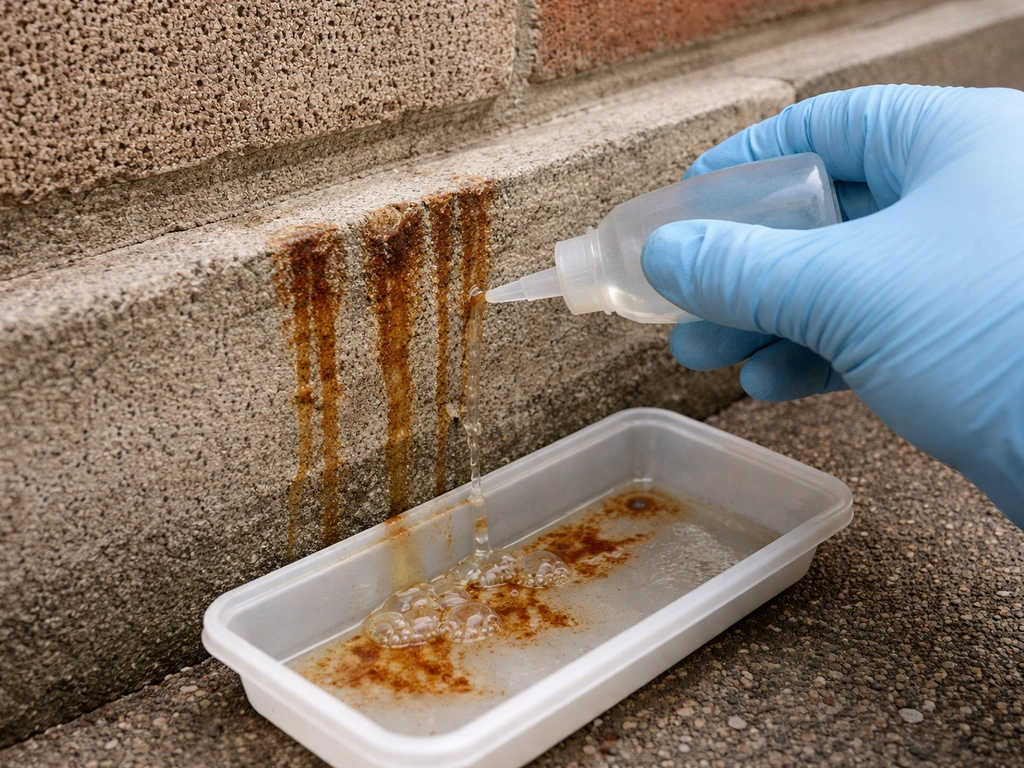
Rust is the trickiest stain to remove naturally. It's caused by iron oxidising, and the only thing that reliably dissolves rust is acid. On concrete, brick, and porcelain, a diluted citric acid or oxalic acid solution is the most practical natural approach. Mix about 1 tablespoon of citric acid per 500ml of water, apply to the stain, and leave for 10–15 minutes before scrubbing and rinsing.
A word of caution: strong acid dilutions, including some DIY rust removers based on hydrochloric acid, can actually darken rust stains rather than remove them if used incorrectly or if not rinsed quickly. Citric acid is far more forgiving. On limestone, sandstone, or marble, rust removal is genuinely difficult without professional help because you cannot use acid safely on those surfaces.
Pet stains and odours
Pet urine contains proteins, lipids, and ammonia that bond into the surface and create both staining and persistent odour. For dog urine on patios, the best choice is usually an enzymatic cleaner that breaks down the compounds causing the lingering smell. Oxygen bleach will handle the visible stain on most surfaces, but enzymatic cleaners are better for odour because they actually digest those organic compounds rather than masking them.
Protease enzymes break down the peptide bonds in urine proteins, which is why the smell doesn't come back the way it does with a simple bleach treatment. Apply the enzymatic cleaner, keep the area damp (don't let it dry out mid-treatment), and allow at least 20–30 minutes of contact time. If you have pets and a porous stone patio, enzymatic cleaners are your safest option.
Always rinse the surface thoroughly after treating pet stains, then let it dry fully before letting pets back on enzymatic cleaners are your safest option. The related questions of which cleaners are truly pet-safe on different surfaces and how to handle dog urine specifically are worth exploring in depth if that's your main concern.
General grime and green film
For general surface dirt, green film (which is usually a mix of algae and airborne pollution), and the grey-brown grime that builds up over a British winter, oxygen bleach or a soap-based patio cleaner both work well. If the patio just looks dull and dirty rather than having specific stains, start with a diluted soap wash first. It's the gentlest option and often sufficient, particularly on porcelain, which is non-porous and doesn't hold onto grime the way sandstone does.
Step-by-step natural cleaning method
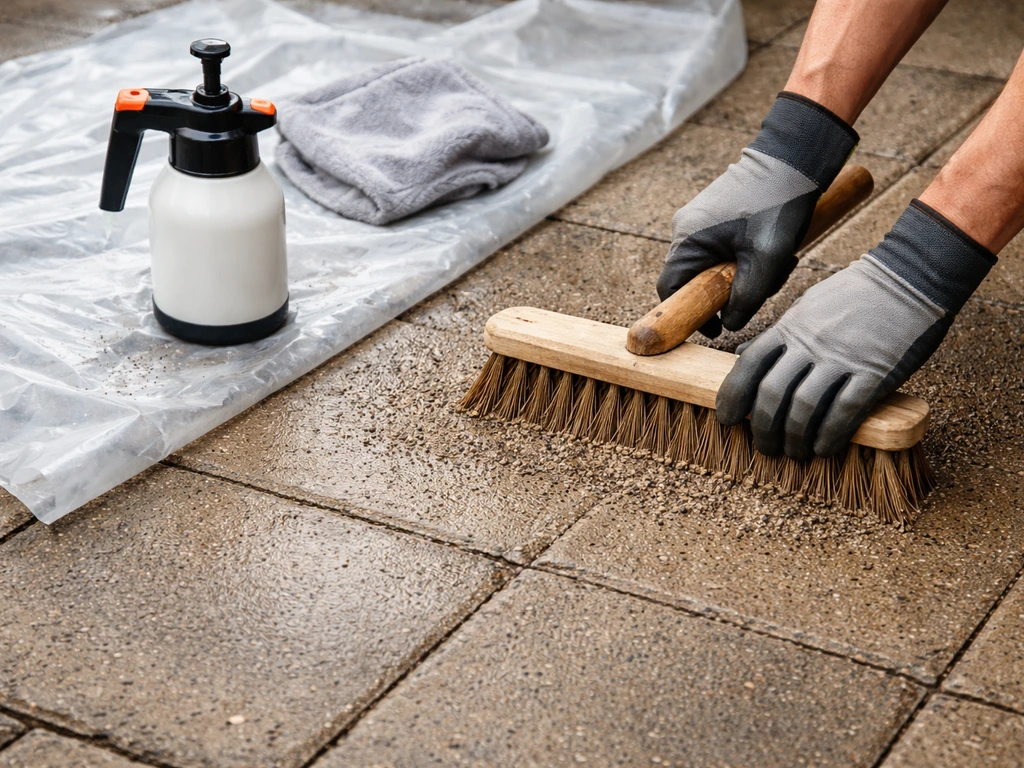
- Clear the patio: move furniture, pots, and anything else off the surface. Give it a dry sweep or blow to remove loose debris, leaves, and grit. Scrubbing grit into the surface just scratches it.
- Pre-wet the surface: dampen the patio with plain water before applying any cleaner. This is especially important with acid-based cleaners (prevents over-concentration in one spot) and on porous stone (reduces how much cleaner soaks in uncontrollably).
- Mix and apply your cleaner: for oxygen bleach, dissolve the powder in warm water first (it won't work well as undissolved granules), then apply evenly across the surface. For soap-based cleaners, apply with a watering can or a pump garden sprayer. For targeted stain treatments like citric acid for rust, apply directly to the stain.
- Dwell time: do not rush this. For oxygen bleach on mold and algae, a minimum of 20 minutes is needed; 30 minutes is better for stubborn growth. For hydrogen peroxide on mold, 10–15 minutes minimum. For enzymatic cleaners, 20–30 minutes, and keep the area moist. Work in sections if the patio is large so the cleaner doesn't dry out before you rinse.
- Scrub: use a stiff-bristled deck brush or patio brush. A long-handled brush saves your back and gives better coverage. For textured or riven surfaces, a stiffer brush reaches into the texture. For polished or smooth porcelain, a softer brush avoids micro-scratches.
- Rinse thoroughly: rinse with plenty of clean water. This matters more than most people think. Residual cleaner left on the surface attracts dirt faster, can affect sealers, and may irritate pets walking on the surface. Use a hose on a gentle setting or a watering can if you want to avoid the expense of pressure washing.
For very stubborn biological growth on rough concrete or brick, a soak method works better than a single application. Apply the oxygen bleach solution, cover with an old sheet or tarpaulin to slow evaporation, and leave for several hours or overnight. The extended contact time does work that repeated short applications can't match.
When to use a pressure washer (and when to leave it alone)
Pressure washing after applying a natural cleaner gives a noticeably better result than rinsing with a hose alone, but it's not always appropriate and the pressure settings matter a lot. For concrete, the generally cited safe maximum is around 2,500–3,000 PSI with a 25-degree (green) nozzle, keeping the wand moving constantly and maintaining a consistent distance of around 30cm from the surface. For pavers and block paving, drop that significantly. Anything over about 1,500 PSI risks dislodging joint sand or polymeric sand, and losing your jointing material means immediate weed and ant problems.
For efflorescence (the white salt bloom that appears on brick and concrete), actually avoid high-pressure washing entirely. Forcing water into the pores can drive soluble salts deeper into the substrate, and the efflorescence just reappears more aggressively. Start with dry brushing, then a low-pressure rinse. If you need to use an acid-based efflorescence cleaner, follow the dilution guidance carefully: a ratio of around 1:20 (cleaner to water) for cement-based pavers, applied to a pre-dampened surface, brushed while wet, and rinsed repeatedly.
Avoid pressure washing altogether on: sandstone (it can fracture the surface layers), any patio with loose pointing or crumbling mortar joints, polished marble or honed limestone, and patios with newly laid polymeric sand (wait at least 6 weeks). Also worth knowing: pressure washing spreads algae and mold spores if you use a rotary/turbo nozzle at high pressure without treating first. Apply the natural cleaner, let it kill the growth, then pressure wash to remove it. Reversing that order just redistributes live spores across the patio.
DIY natural recipes vs. store-bought natural cleaners
I've tested a lot of DIY recipes over the years and the honest answer is that they work, with some important caveats. Here's how the common ones stack up.
| DIY Ingredient | Works well on | Avoid on | Honest verdict |
|---|---|---|---|
| White vinegar | Concrete, brick, some tile grout | Limestone, marble, sandstone, travertine | Good for mild mold and grime on concrete. Permanent etching risk on calcium-carbonate stone. Often overhyped. |
| Baking soda (bicarbonate) | Mild surface stains, general grime, deodorising | Not effective on heavy mold, algae, or rust | Genuinely gentle and safe but not powerful enough for serious patio staining. |
| Hydrogen peroxide (3%) | Mold, mildew, light organic stains | Test first on darker stone for bleaching | Works well but expensive at scale. Better for targeted spots than whole patios. |
| Citric acid | Rust, limescale, cement haze | Limestone, marble, sandstone | More forgiving than HCl-based products. Good rust solution for hard surfaces. |
| Washing-up liquid/castile soap | Grease, general dirt | Not effective on biological growth | Underrated for grease. Needs agitation to work. Rinse well or it leaves a film. |
| DIY sodium percarbonate mix | Mold, algae, moss, general brightening | Porous stone (use cool, dilute mix) | One of the best DIY options. Same active ingredient as many store products. |
Store-bought natural patio cleaners that are oxygen-bleach or plant-surfactant based generally outperform pure DIY for one reason: added wetting agents and surfactants help the active ingredient penetrate textured and porous surfaces instead of just sitting on top. Products like OxiClean Outdoor are essentially sodium percarbonate with surfactants added, and that formulation does make a genuine difference on rough or riven surfaces compared to just dissolving percarbonate powder in water. For smooth porcelain or concrete, the DIY version is close enough. For rough textured or heavily porous surfaces, the extra few pounds on a commercial formulation is usually worth it.
What to avoid calling 'natural': products marketed as eco-friendly that still contain quaternary ammonium compounds (quats), synthetic fragrance, or undisclosed surfactants. Check the SDS (safety data sheet) if you're unsure. Genuinely natural active ingredients to look for are sodium percarbonate, citric acid, lactic acid, plant-based surfactants (listed as sodium cocoyl glycinate, lauryl glucoside, or similar), and essential oil-based actives like thymol or d-limonene.
Application tips that actually make a difference
Dwell time
The biggest mistake people make with natural cleaners is not leaving them long enough. CDC mold clean-up guidance cautions that you should never mix bleach with other cleaners, because it can create harmful reactions. Oxygen bleach needs a minimum of 20 minutes to do meaningful work on established mold or algae; 30 minutes is more consistently effective. Hydrogen peroxide needs at least 10–15 minutes on mold. Enzymatic cleaners need 20–30 minutes, sometimes longer for deeply set pet urine on porous material. If you're spraying and rinsing within 5 minutes, you're mostly wasting product.
Temperature and weather
Oxygen bleach (sodium percarbonate) is temperature-sensitive. Below about 10°C, the oxidising reaction slows down significantly, and you'll get very poor results. Warm water (not boiling, but around 40–50°C) dissolves the powder better and activates it faster. On a cold spring morning, mix the solution with warm water in a bucket before applying. Aim to clean on a dry day with temperatures above 10°C, ideally 15–20°C. Avoid applying any cleaner in direct hot sunlight as it evaporates too quickly and can leave residue streaks. Early morning or late afternoon on a mild overcast day is the ideal window.
Dilution ratios to use
- Oxygen bleach general mix: 100g per litre of warm water for standard concrete and brick; 50g per litre for sandstone and porous natural stone
- Citric acid for rust/limescale: 1 tablespoon (approx. 15g) per 500ml water for spot treatment
- Hydrogen peroxide: use the standard 3% pharmacy solution undiluted for mold treatment
- Acid-based efflorescence cleaners: 1:20 dilution for cement-based surfaces, 1:10 for clay/terracotta (always pre-wet the surface)
- Dish soap/castile soap degreaser: apply neat to the dry stain, then add a small amount of water and work in
Protecting plants, grass, and pets
Most natural cleaners are significantly less harmful to plants and lawns than chlorine bleach, but they're not zero-risk. The U. S. EPA advises that [using bleach to clean up mold is not recommended as a routine practice](https://www.
epa. gov/mold/should-i-use-bleach-clean-mold), due to safety and handling considerations. Sodium percarbonate breaks down relatively quickly into oxygen and water, and diluted run-off at normal cleaning concentrations is generally low-risk for garden plants. That said, concentrated run-off directly onto grass or into borders can cause browning.
The practical steps: water down your borders and lawn edges before you start cleaning (this dilutes any run-off automatically), direct your rinse water away from planted areas where possible, and avoid applying on days with heavy rain forecast immediately after (which washes high concentrations into soil before they can break down). For people with pets using the patio, the same principle applies: rinse thoroughly after treatment and allow the surface to dry fully before letting pets back on.
If artificial grass borders your patio, it's worth checking how specific cleaners interact with that material separately, since some surfactants can affect the infill. If you have artificial grass bordering the patio, it’s smart to check whether the cleaner’s surfactants or concentration could affect the infill and rinse thoroughly afterward.
Troubleshooting stubborn stains and preventing them coming back
When the stain won't shift
If one oxygen bleach treatment hasn't fully removed mold or algae, repeat the soak method rather than increasing the concentration. Leave it longer, keep it moist, and work it in more thoroughly with a brush. If mold has deeply penetrated a porous surface like sandstone or riven slate, you may need two or three treatments over consecutive days.
For rust on concrete that isn't responding to citric acid, try a specialist oxalic acid product at a slightly higher concentration, but test a small area first. If you're dealing with orange-brown staining on Indian sandstone that doesn't respond to anything, it may be iron pyrite within the stone itself oxidising from the inside. That's a structural issue, not a surface stain, and no cleaner will fix it permanently.
Preventing regrowth and keeping the patio cleaner longer
The most effective maintenance step, by some margin, is sealing your patio after cleaning it. A good quality impregnating sealer on concrete, sandstone, or Indian stone dramatically slows the re-establishment of algae and moss by reducing the moisture that biological growth needs to take hold. Seal when the patio is fully clean and completely dry, which typically means at least 48–72 hours of dry weather after cleaning.
Beyond sealing, a light oxygen bleach spray treatment twice a year, ideally in early spring (before the main growth season) and early autumn, prevents biological build-up from ever getting established. Mix a dilute solution, spray it on, and leave it. There's no need to scrub or rinse for a maintenance treatment. Just let it sit and let rain eventually wash it away. This is far less work than one heavy annual clean.
Keep drainage clear. If water pools in corners of the patio because a drain is blocked with leaves, that standing water is exactly where algae and moss establish fastest. Sweep the patio regularly and clear drains each autumn. Trim back any overhanging trees or shrubs that shade the patio heavily, because permanent shade and constant damp leaf debris create ideal conditions for biological growth. These basic steps do more to keep a patio clean than any single cleaner.
FAQ
How can I tell whether my patio is safe for oxygen bleach, vinegar, or citric acid?
Do a patch test in an inconspicuous spot first, then confirm the surface chemistry. If the patio is sandstone, limestone, or marble, avoid anything acidic (including “natural” rust removers with citric or hydrochloric acid unless the guide specifically recommends it for that surface). For oxygen-bleach cleaning on these stones, keep it cooler and dilute (the guide notes half-strength), then rinse very thoroughly to minimize any residue.
What should I do if mold or algae comes back or won’t fully lift after one clean?
If you still see green-black smears after the first treatment, don’t rush to strengthen the mix. Reapply using the soak method (longer dwell time, keep the surface damp, cover to slow evaporation), then scrub again. The guide also notes that porous stone can require multiple days of treatments, so persistence with contact time usually beats concentration.
Why did my oxygen-bleach patio cleaner seem to do nothing, and how do I fix it?
For oxygen-bleach solutions, timing matters more than “more powder.” If you live in a cool climate, mix with warm water around 40–50°C and apply on a day above about 10°C. In practice, if it’s below 10°C, expect weak results and plan for a warmer window rather than doubling the dosage.
Can I pressure wash right after applying a natural cleaner to remove mold and algae?
Yes, but only after you treat the growth first. Pressure washing before the biological killer step can spread live spores, especially when using a rotary or turbo nozzle at high pressure. For safe results, apply the natural cleaner, allow it to dwell long enough for kill, rinse to remove debris, then pressure wash only if the surface type allows it.
Will oxygen bleach or enzymatic cleaners harm my lawn or garden plants?
Don’t assume “natural” means “plant-safe at any concentration.” Run-off can still brown grass or affect plant borders if concentrated solution hits directly. The practical approach in the guide is to water down lawn edges first, direct rinse away from planted areas, and avoid cleaning right before heavy rain so you do not dump high-strength cleaner into soil before it breaks down.
How do I use an enzymatic cleaner for dog urine so the smell does not return?
Enzymatic cleaners are best for the odor source, but you still need to control drying time. Keep the treated area damp through the required contact window (the guide suggests 20–30 minutes or longer on porous material), then rinse thoroughly after, and let it fully dry before letting pets back on the surface.
Can I use one “best natural patio cleaner” for every stain type on my patio?
Yes, but choose based on the stain type, not the material label. For general dirt and green film, start with oxygen bleach or a pH-neutral soap wash. For grease, use a surfactant approach (dish soap or a citrus degreaser where the stone allows it). For rust, the guide emphasizes acid-based dissolution only works safely on certain surfaces, and limestone or sandstone often requires professional help.
Why does efflorescence get worse after I pressure wash, and what’s the safer method?
If your patio is showing white salt bloom (efflorescence), avoid high-pressure cleaning. The guide explains that forcing water into pores can drive salts deeper and make the bloom return worse. Instead, start with dry brushing and a low-pressure rinse, and only use an efflorescence acid product if appropriate, following careful dilution.
When should I seal my patio after cleaning, and what mistake should I avoid?
Sealing is the best maintenance lever after cleaning, because it slows moisture uptake and reduces algae and moss re-establishment. Apply an impregnating sealer once the patio is fully clean and completely dry, typically after 48–72 hours of dry weather. A common mistake is sealing too soon, which traps remaining moisture and promotes faster regrowth.
How often should I re-treat with oxygen bleach to prevent algae and grime, without heavy scrubbing?
For maintenance, a light oxygen-bleach treatment twice a year (early spring and early autumn) can prevent build-up, and it does not usually require scrubbing or rinsing since rain will wash it away. Keep it dilute and avoid doing it on hot, sunny days that can drive off solution too quickly and leave streaks.
Next Article
Best Pet Friendly Patio Cleaner: Choose and Use Safely
Pick the best pet-friendly patio cleaner and use it safely to remove mold, algae, stains, grime without harming pets.