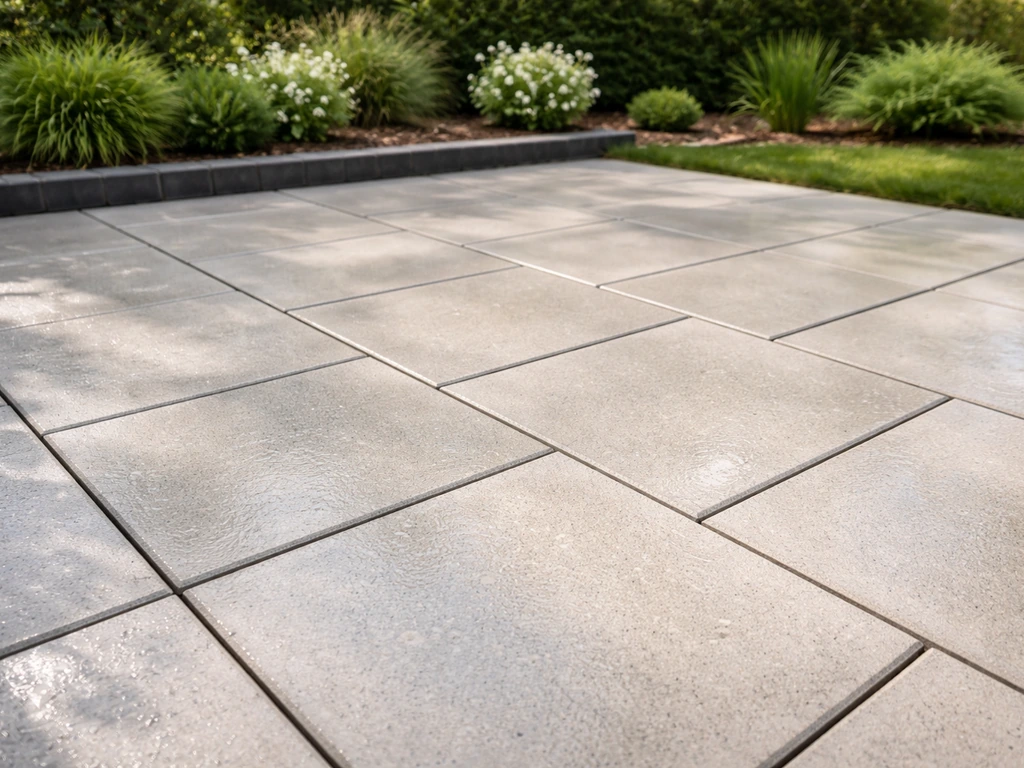
The best pet-friendly patio cleaners are enzyme-based or oxidizing formulas (like those using sodium percarbonate or citric acid) that break down grime, mold, and pet waste without leaving toxic residues once rinsed. Brands like Simple Green Oxy Solve, Patio Magic, and Wet & Forget Outdoor are widely used and considered safer for pets when applied correctly. That said, "pet-friendly" on a label doesn't automatically mean risk-free, and the cleaner that's right for you depends on your patio surface, the stain you're fighting, and how quickly you want your dog or cat back outside.
Best Pet Friendly Patio Cleaner: Choose and Use Safely
Rhea Lang
29 Apr 2026
What "pet friendly" actually means on a patio cleaner label
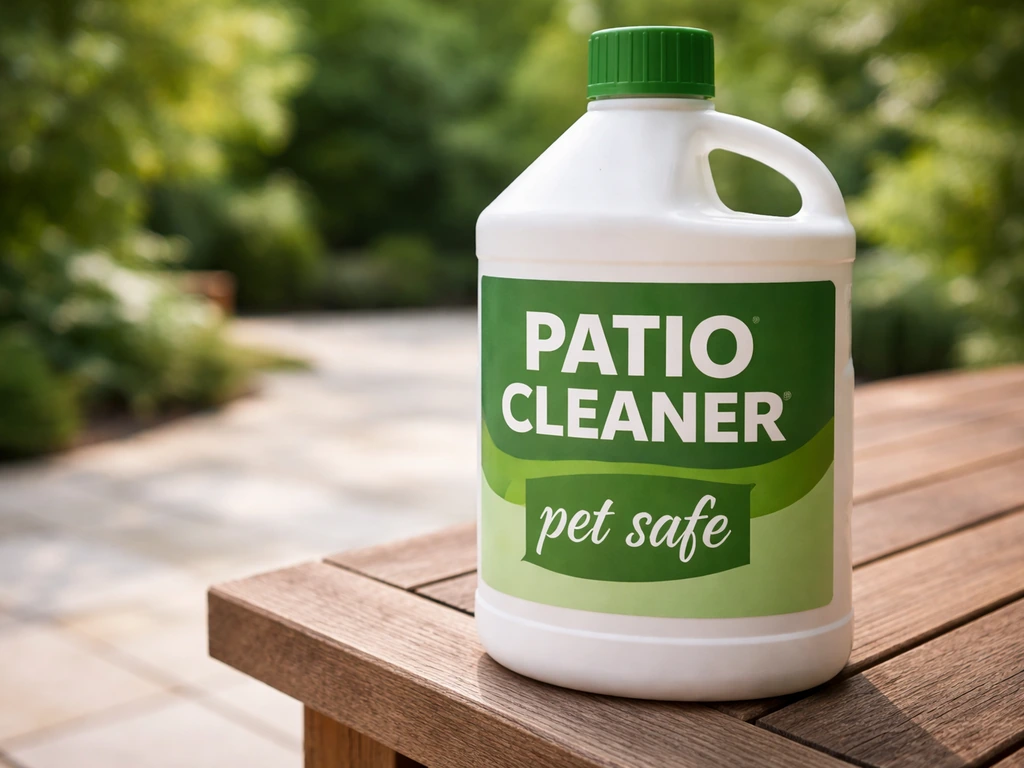
Here's where most people get caught out: "pet safe" is a marketing phrase, not a regulated classification. Any brand can print it on a bottle. What you actually want to look for is whether the product carries the EPA Safer Choice label, because that's a real, criteria-based certification. The EPA Safer Choice program evaluates individual ingredients against health and environmental safety thresholds, not just the finished product overall. It also now covers outdoor-use cleaning products specifically, meaning a Safer Choice-certified patio cleaner has been assessed for what happens when it runs off into soil and grass, not just what happens when it sits in your kitchen sink.
The FTC's Green Guides also make it clear that blank" rel="noopener noreferrer">vague phrases like "essentially non-toxic" or "eco-safe" don't have to mean anything specific unless the brand backs them up with testing. The FTC cautions that consumer interpretations of vague non-toxicity terms like “non-toxic,” “essentially non-toxic,” or “practically non-toxic” can imply no risk and therefore require substantiation blank" rel="noopener noreferrer">vague phrases like "essentially non-toxic" or "eco-safe". So if a patio cleaner just says "natural" or "pet friendly" with nothing else to support it, treat that as marketing, not a safety guarantee. What you're really checking is the ingredient list. Chlorine bleach (sodium hypochlorite), quaternary ammonium compounds (quats), and strong alkalis like sodium hydroxide are the main ones to avoid around pets, especially in high concentrations. Look instead for citric acid, sodium percarbonate, lactic acid, or enzyme-based formulas.
One more thing worth knowing: some patio cleaners technically qualify as pesticides under EPA rules if they make pesticidal claims (like "kills algae and moss"). That doesn't make them automatically unsafe, but it does mean the regulatory framework is different. A cleaner that says it "prevents regrowth" may be registered as a pesticide, which adds another layer of labeling requirements. Always check the label for active ingredients and any EPA registration number if the product makes pesticidal claims.
Matching your cleaner to your patio surface
This is where a lot of people go wrong. They buy a powerful patio cleaner, use it on the wrong surface, and end up with bleached grout, etched stone, or stripped sealant. The cleaner type matters as much as the pet safety angle, and the two have to work together.
| Surface | Safe cleaner types | Avoid | Notes |
|---|---|---|---|
| Concrete | Sodium percarbonate, enzyme cleaners, diluted citric acid | High-concentration bleach on coloured concrete | Most forgiving surface; handles stronger dilutions well |
| Brick | Sodium percarbonate, mild alkaline cleaners | Acids (can dissolve mortar joints) | Rinse thoroughly; mortar joints absorb cleaner |
| Natural stone (sandstone, limestone) | pH-neutral enzyme cleaners, diluted citric acid (weak only) | Bleach, strong acids, high-alkaline cleaners | Very sensitive; always test a small area first |
| Slate | pH-neutral cleaners, enzyme formulas | Bleach, acidic cleaners | Can darken if cleaner penetrates; seal after cleaning |
| Porcelain / ceramic tiles | Most pet-safe formulas including percarbonate | Highly acidic cleaners on unglazed porcelain | Very durable; easiest surface to clean safely |
| Block paving | Sodium percarbonate, diluted alkaline cleaners | Avoid acids near jointing sand | Reapply kiln-dried sand to joints after cleaning |
If you have natural stone like sandstone or slate, this is where I'd be most cautious with product choice. I've seen sandstone patios come out streaky and permanently lighter after someone used an acid-based cleaner at full strength. Always dilute further than the label says for a first test, apply to a hidden corner, wait 10 minutes, then check before going all in. Porcelain and concrete are much more forgiving and can handle most pet-safe formulas without drama.
The best types of pet-friendly patio cleaner (and what to look for in the ingredients)
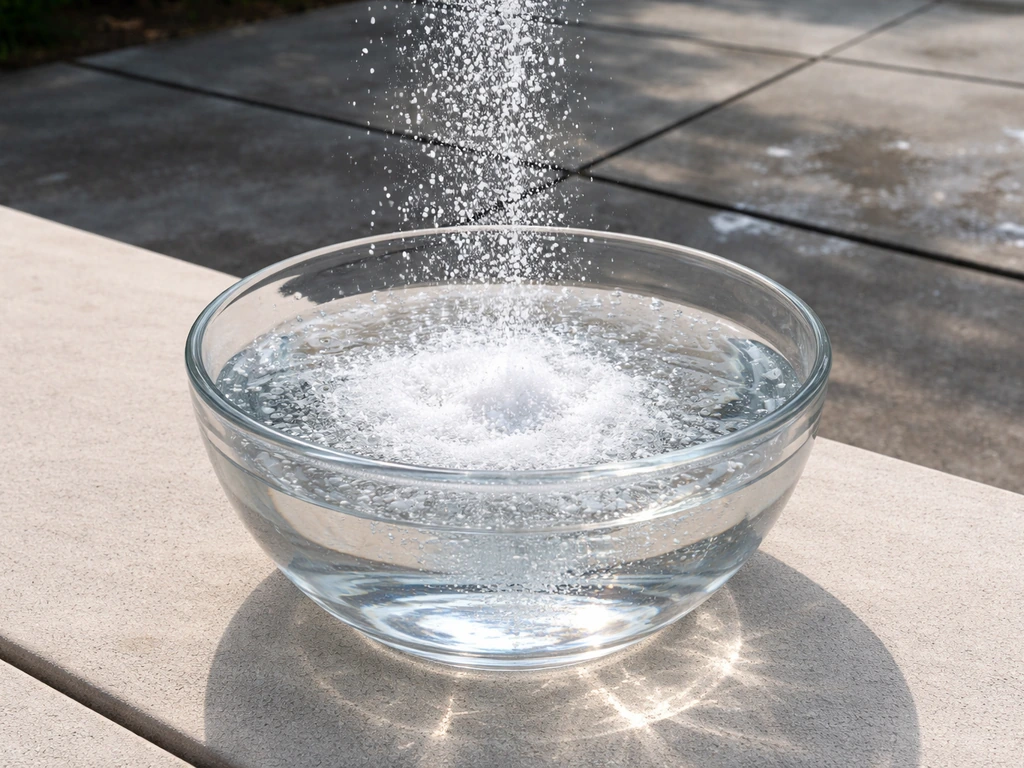
Sodium percarbonate (oxygen bleach) cleaners
This is the workhorse ingredient for pet-safe patio cleaning. Sodium percarbonate breaks down into hydrogen peroxide and sodium carbonate when it hits water, both of which are much safer than chlorine bleach for pets and the environment. It handles algae, mold, lichen, and general grime effectively. Simple Green Oxy Solve Total Outdoor Cleaner is the most widely available product in this category, is EPA Safer Choice certified, and works well on concrete, brick, and most pavers. In the UK, products like Jarder Spray & Leave and Patio Magic (used diluted) also use oxidizing chemistry.
Enzyme-based cleaners
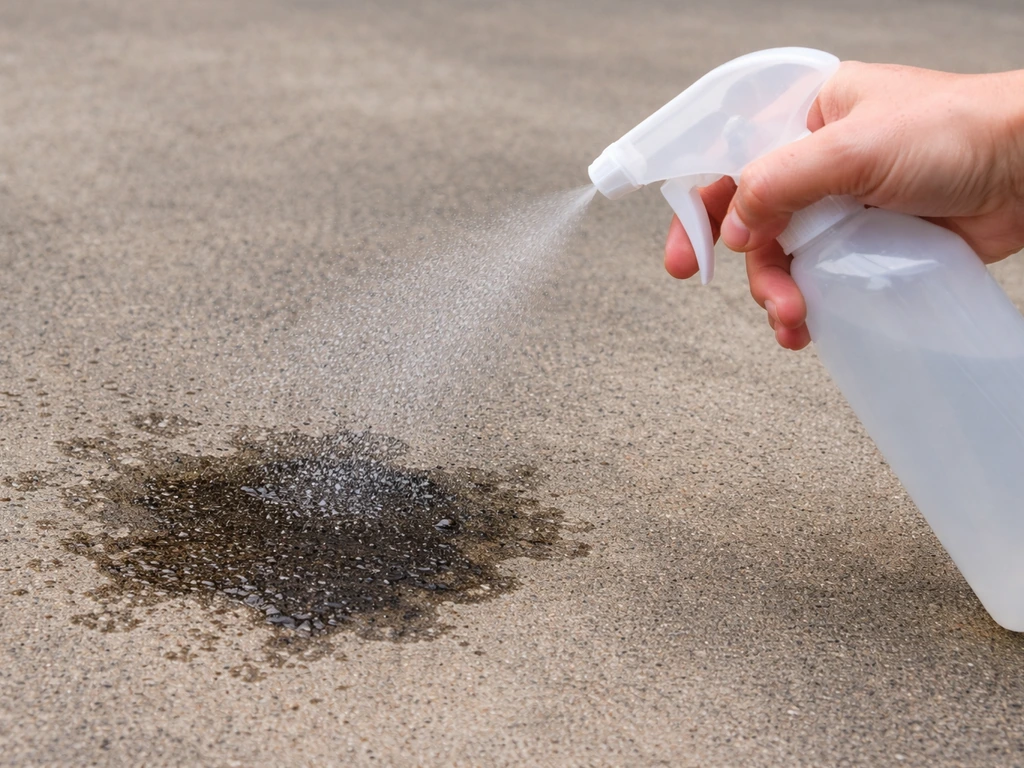
Enzyme cleaners are the best choice specifically for pet stains and urine because they actually break down the organic compounds (urea, uric acid, proteins) rather than just masking them. For dog or cat urine on a patio, an enzyme cleaner outperforms a standard patio cleaner every time. Brands like Rocco & Roxie, Nature's Miracle, and Simple Green Bio Dog are all enzyme-based and widely considered pet-safe after rinsing. These are also the formulas I'd reach for if you're cleaning around a vegetable garden or a space where your pets spend most of their day.
No-rinse or spray-and-leave formulas
Products like Wet & Forget Outdoor work by applying a diluted solution and letting it work over several weeks via rain and weather, rather than requiring an immediate rinse. This is genuinely useful for slow-growing algae and moss, and because the active ingredient (benzalkonium chloride) is heavily diluted and allowed to break down over time, the residual risk to pets is lower than with concentrated spray-and-rinse products. That said, keep pets off the surface while the solution is visibly wet, which is typically a few hours after application.
Ingredients to avoid
- Sodium hypochlorite (chlorine bleach) at concentrations above 1%: toxic to cats especially, irritates paws and respiratory systems
- Quaternary ammonium compounds (quats, listed as alkyl dimethyl benzyl ammonium chloride): lung irritants and linked to toxicity in cats and birds
- Phenols or pine oil-based cleaners: highly toxic to cats even in small amounts
- High-concentration sodium hydroxide or potassium hydroxide: caustic, paw-burning potential
- 2-butoxyethanol (a common solvent in some degreasers): absorbed through skin, harmful to kidneys in pets
How to apply pet-safe patio cleaner safely, step by step
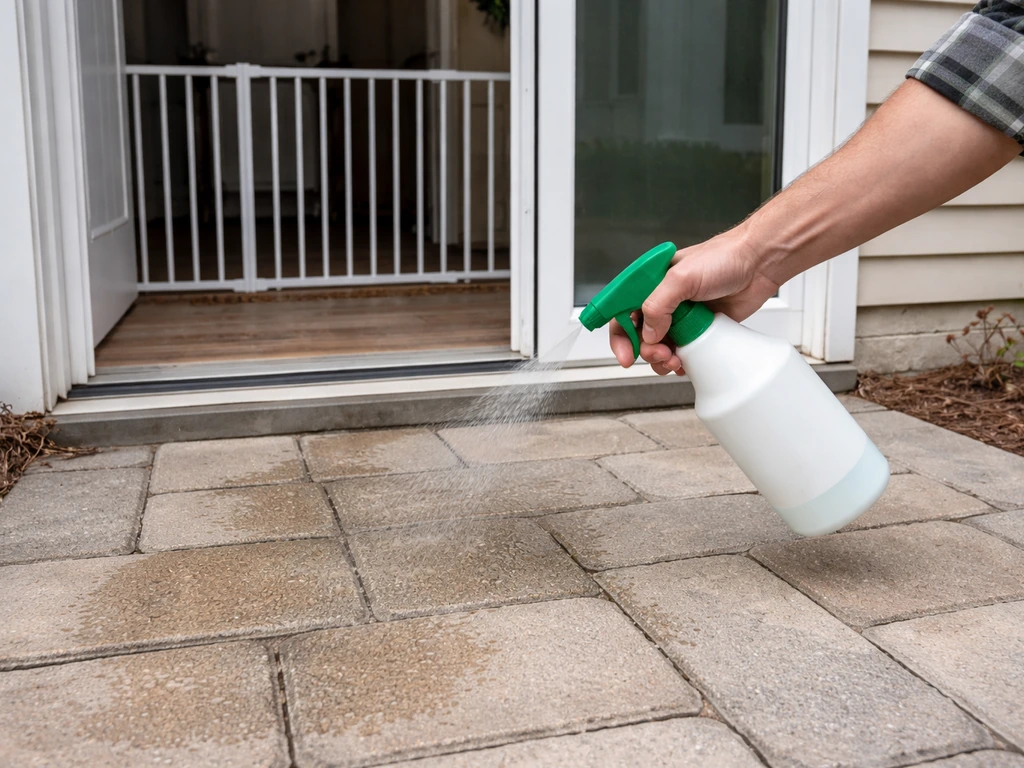
The application process matters as much as the product you choose. Even a well-formulated cleaner can cause problems if pets are walking through it while it's wet, or if it isn't rinsed properly from a porous surface.
- Move pets indoors before you start. This isn't optional. Even "pet safe" cleaners should not be walked through while wet, and some pets (cats especially) will lick paws that have walked across treated surfaces.
- Clear the area of pet toys, food bowls, and bedding. Anything porous that sits on the patio can absorb cleaner and become a secondary exposure risk.
- Sweep the patio first. Loose debris, leaves, and dirt reduce the cleaner's contact time with the actual stain or grime. A quick sweep takes two minutes and makes the cleaner work better.
- Dilute according to instructions, then dilute a little further for your first application. Most labels give a range. Start at the weaker end, especially on stone or aged concrete.
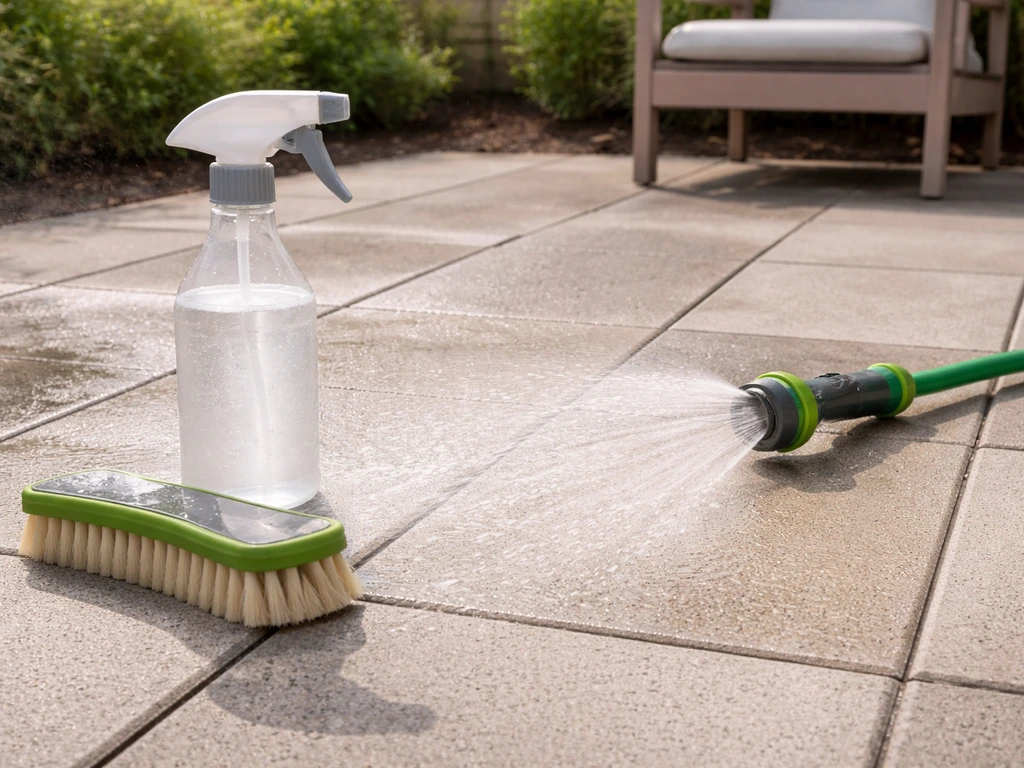
- Apply with a watering can, pump sprayer, or brush, depending on the product. Work in sections so the cleaner doesn't dry out before you can rinse it.
- Allow the recommended dwell time, typically 10 to 30 minutes for most oxygen-based cleaners, longer for no-rinse formulas. Don't let it dry completely on the surface if a rinse is required.
- Scrub with a stiff brush if needed, particularly for mold or algae that's embedded in texture.
- Rinse thoroughly with a hose or pressure washer. For pet safety, rinsing is the most important step. The goal is to flush the cleaner off the surface and out of pores, not just dilute it.
- Allow the surface to dry completely before reintroducing pets. On a warm, sunny day, most concrete and tile surfaces are dry enough within 1 to 2 hours. Stone and brick hold moisture longer.
Tackling specific patio problems: mold, algae, moss, rust, grease, and pet stains
Mold and algae
Sodium percarbonate-based cleaners are your best tool here. Apply at a slightly stronger dilution than for general cleaning, allow a 20 to 30 minute dwell, then scrub and rinse. For heavy algae on shaded patios, a second application often gives much better results than one strong one. After cleaning, improving drainage or light access will slow regrowth more than any chemical treatment.
Moss
Moss needs a slightly different approach from algae because it has a physical structure rooted into the surface. Loosen it mechanically with a stiff brush or plastic scraper first, then apply your cleaner to kill any remaining spores. A no-rinse formula like Wet & Forget is genuinely good for moss management over a season. The moss gradually dies and washes away with rain rather than needing aggressive scrubbing, which is gentler on surfaces and frankly a lot less work.
Rust stains
Rust requires an acid-based treatment, which immediately creates a tension with pet safety and surface compatibility. For concrete and brick, a diluted oxalic acid solution works well and rinses away without lasting residue. On natural stone, I'd be very careful: test a hidden area first, neutralize with a baking soda rinse after treatment, and keep pets off the area for several hours after rinsing. Bar Keepers Friend (which uses oxalic acid) is an accessible option for spot treating rust on harder surfaces. Keep cats particularly away during application and rinsing.
Grease
Grease from BBQs or cooking areas needs a degreaser, but many commercial degreasers contain 2-butoxyethanol or quats, which you're trying to avoid. Look for citrus-based or enzyme degreasers instead. Simple Green All-Purpose Cleaner (diluted) works as a grease cutter on concrete and porcelain. Apply, scrub in, leave for 10 to 15 minutes, then rinse hard. Old, set-in grease may need two applications.
Pet stains and urine
Dog urine on concrete or stone soaks in fast and the uric acid crystals it leaves behind are what causes the persistent smell. An enzyme cleaner is genuinely the only thing that breaks down those crystals rather than just cleaning around them. Saturate the area rather than just misting it, because the enzyme needs to reach as deep as the urine soaked. Leave it for at least 15 to 30 minutes, then rinse. For repeat offenders (dogs that use the same patio spot daily), a weekly enzyme cleaner application keeps the smell from building. There's a full breakdown of the best products for this specific problem worth reading if dog urine is your main concern. If dog urine is your main concern, look for the best patio cleaner for dog urine so the enzymes can break down the uric acid crystals after rinsing. If dog urine is your main concern, you can also choose the best eco friendly patio cleaner that uses enzyme-based chemistry for safer breakdown after rinsing.
Pressure washing vs. chemical cleaner vs. spot treatment: which to choose
These three methods work best in combination, not competition. Here's how to think about which to reach for:
| Method | Best for | Pet safety consideration | Surface risk |
|---|---|---|---|
| Pressure washing (water only) | General dirt, loose algae, annual maintenance on concrete/brick | Safe once dry; no chemical residue | Can damage soft stone, sandstone, old mortar joints if too high pressure |
| Chemical cleaner + brush | Embedded stains, mold, algae, moss, pet urine, rust | Keep pets away until fully rinsed and dry | Depends entirely on product and surface compatibility |
| Spot treatment | Localised stains: grease spots, rust marks, urine patches | Easiest to control and rinse thoroughly | Very low risk if rinsed well from the specific spot |
For most homeowners doing an annual patio clean, I'd suggest combining all three: sweep first, apply a sodium percarbonate cleaner with a brush, dwell for 20 minutes, then rinse with a pressure washer. For spot problems like pet stains or rust, spot treatment with the right specific formula is more efficient than cleaning the whole patio. If you have a very large patio with widespread moss or algae and not much time, a no-rinse spray-and-leave product is the lowest-effort option, though you'll wait weeks for full results.
One thing pressure washing alone won't do is kill the biological organisms causing algae and moss. It removes what's visible, but spores and roots stay behind and regrowth is faster. A chemical cleaner used alongside pressure washing is what actually slows the cycle down. Whether the cleaner goes on before the pressure wash (pre-treatment) or after (post-treatment) depends on the product, so check the label.
Rinsing, drying, and when it's safe to let pets back out
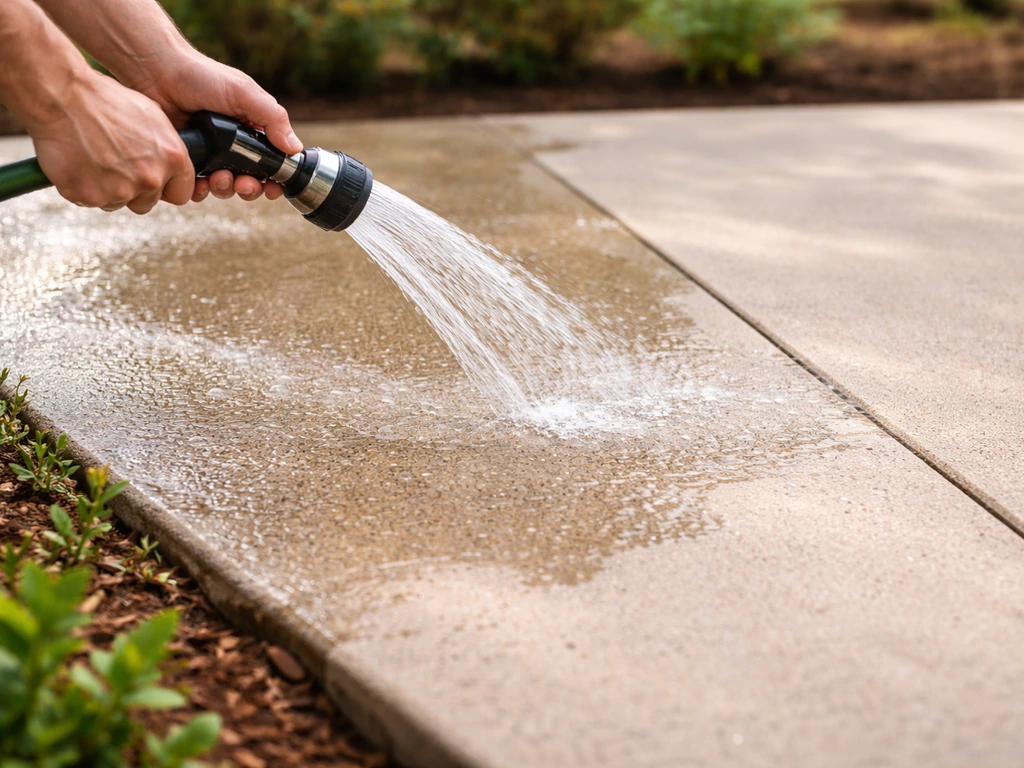
Rinsing is the step that turns a potentially risky product into a safe one. Once you rinse thoroughly and let the patio dry, most properly chosen pet-safe cleaners are safe for pets to walk on again is patio cleaner safe for pets. Most pet safety concerns with patio cleaners are about wet residue, not dried product. Artificial grass can also be affected by some patio cleaners, so check which ingredients are safest before you apply anything will patio cleaner damage artificial grass. Here's a checklist to run through before your pets come back outside:
- Rinse the entire treated area with a hose or pressure washer until the water runs clear and there are no visible suds or product residue
- Pay extra attention to grouted joints, textured surfaces, and areas near drains or grass edges where cleaner can pool
- Allow at least 1 to 2 hours of drying time in warm, sunny conditions; 3 to 4 hours in shade or cool weather
- For natural stone, slate, or brick, allow longer: the surface may feel dry on top but still hold moisture (and residue) in the pores
- If you used an acid-based cleaner for rust, do a neutralizing rinse with a diluted baking soda solution before the final water rinse
- Check that no cleaner has run onto grass, flower beds, or into the soil near pet favourite spots
- Pick up any wet towels, sponges, or application equipment before letting pets back out
- If your pet does walk across the surface sooner than expected, rinse their paws with clean water
For no-rinse products like Wet & Forget, the guidance is simpler: keep pets off the surface while it visibly wet, typically two to four hours after application. Because the active ingredient is applied at a very dilute concentration and allowed to break down over time, the residual risk once the surface is dry is much lower than with a concentrated spray-and-rinse cleaner.
When the stain won't shift: troubleshooting and swaps
If the stain is still there after your first clean, the issue is usually one of four things: wrong product type for the stain, insufficient dwell time, too much dilution, or a stain that's penetrated deep into a porous surface. Here's how to diagnose and fix each one.
Wrong product for the stain type
An oxygen-based cleaner won't touch rust. An enzyme cleaner won't strip tannin stains from leaves. A standard patio cleaner won't fully neutralise pet urine odour even if it cleans the surface visually. Match the active ingredient to what you're actually dealing with: enzyme formulas for organic stains and urine, acid-based for rust and mineral deposits, percarbonate for algae and mold, degreaser for oil and cooking grease.
Dwell time was too short
Most pet-safe formulas are gentler than their conventional counterparts, which means they genuinely need the full dwell time to work. If you applied and rinsed within 5 minutes, try again and leave it for 20 to 30 minutes with a re-scrub before rinsing. If the product started to dry before you rinsed, it's less effective, so dampen the surface first if working in hot sun.
Deep penetration into porous surfaces
Old concrete and unsealed sandstone are very porous. Urine, grease, and tannins can soak several millimetres down and a surface clean won't reach them. For these situations, apply the cleaner, cover the area with damp cloth or plastic sheeting to slow evaporation, and extend the dwell to an hour or more. This keeps the active ingredient wet and working deeper into the material. Multiple applications over several days is more effective than one very strong application.
You used the wrong product and it damaged the surface
If an acid-based cleaner has etched your sandstone or a strong alkali has lightened your brick pointing, the damage is usually permanent without resealing or repointing. For surface discolouration, a stone-appropriate sealer can even out the appearance. For etched texture in natural stone, unfortunately, professional resurfacing is the only fix. This is exactly why testing on a small area before full application is worth the two extra minutes it takes.
Product swaps worth trying
- Algae and mold won't shift: move from a spray-and-leave formula to an active scrub with sodium percarbonate at a stronger dilution
- Urine smell returns after cleaning: switch from a general cleaner to a dedicated enzyme formula and saturate rather than lightly spray
- Rust stain not fading: try a dedicated rust remover with oxalic acid rather than a general patio cleaner; these are formulated specifically for mineral oxidation
- Grease not lifting: step up to a citrus-based degreaser and scrub with a deck brush rather than a soft broom
- General grime on natural stone not shifting safely: a pH-neutral stone cleaner (look for ones specifically marketed for Indian sandstone or limestone) will be both safer for the surface and more effective than a general patio cleaner
One last thought: if you're cleaning regularly (twice a year is the minimum for most patios in temperate climates) with the right product, you should rarely need to troubleshoot stubborn stains. The real secret to a clean patio with pets is consistent maintenance, not a magic one-time cleaner. Keep an enzyme cleaner close for urine spot treatments as they happen, run a percarbonate clean every spring and autumn, and you'll spend far less time scrubbing and far more time actually using the patio.
FAQ
Is an EPA Safer Choice patio cleaner automatically safe for pets to walk on right after rinsing or drying?
Usually, yes, but only if you follow the full label rinse and dwell guidance and the product is fully dry. If your patio is porous (old concrete, unsealed stone, pavers with open texture), rinse until runoff is clear and give extra drying time before pets return.
How long should I keep pets off the patio when using a spray-and-rinse percarbonate or enzyme cleaner?
Keep them away while the surface is visibly wet, then wait until it is fully dry. As a practical rule, plan for at least a couple of hours after you rinse on hot or breezy days, and longer on shaded areas where residue can dry slower.
Can I use the same pet friendly patio cleaner on all surfaces, including wood, decking, and painted areas?
Not always. Many “outdoor” cleaners are safe for concrete or brick but can dull paint or lift finishes on wood and coated surfaces. For wood or painted concrete, test a small hidden patch and consider a gentler spot approach instead of treating the whole area.
What should I do if my pet accidentally walks through cleaner residue before I rinse?
Wipe their paws immediately with a damp cloth, then rinse with plain water if possible. Avoid letting them lick paws until you have rinsed the area thoroughly, because residues from wet cleaning can be transferred and swallowed.
Does “pet friendly” mean the cleaner is safe if my dog or cat chews the treated patio surface?
No guarantee. Even if residues are low after rinsing, chewing is still a risk. If you have chew-prone pets, choose products that you can fully rinse off and keep them off the area until completely dry, then discourage chewing with supervision or barriers.
Are oxidizing cleaners like sodium percarbonate safe for pets on artificial grass?
It depends on the product chemistry and how it contacts the backing or infill. Artificial turf can trap moisture and concentrate residue, so avoid soak-in dwell times, rinse thoroughly, and check that the specific ingredient combination is compatible with your turf type before treating.
Why does my patio cleaner still smell or the stain comes back quickly after a “successful” first wash?
Most recurring odors or stains come from insufficient dwell time, wrong cleaner type for the stain, or residue trapped in pores. For pet urine, a standard patio cleaner often cleans the surface but does not break down uric acid crystals, so you need an enzyme treatment and full wet saturation with dwell before rinsing.
How do I adjust for heavy algae or moss without increasing pet risk?
Increase dwell time and use targeted applications rather than using stronger concentration than the label. For moss, loosen mechanically first, then apply, and rinse when the product is ready, keeping pets away during the wet phase to minimize contact with active solution.
Can I mix patio cleaners to speed up results?
Avoid mixing different cleaners unless the label explicitly allows it. Combining acids, oxidizers, and other chemicals can create unsafe reactions and may also worsen surface damage. Use one product at a time, rinse fully between steps, and reapply only if the label supports it.
Do no-rinse products like spray-and-leave create less risk, or can they still contact pets for weeks?
They are typically lower risk once dry, because they dilute and break down over time, but they can still irritate pets while the surface is wet. Plan for at least the recommended wet period, and keep pets from licking the area or tracking visible product onto interior floors.
What if the label says “wipe off” or “neutralize” after acid-based rust treatment, do I need that even with pet safety in mind?
Yes. For acid treatments, neutralizing and thorough rinsing are important because leftover acidity can continue to etch surfaces and may irritate pets on contact. Always follow the label for neutralization steps, then wait until fully dry before allowing pets back out.
How do I treat pet urine on porous pavers without making it worse?
Use an enzyme cleaner, but apply enough to saturate rather than mist lightly. Extend dwell by covering the area to reduce evaporation, then rinse until runoff is not odorous, because residual moisture and trapped urine compounds can keep odors active.
Is pressure washing with a pet-safe cleaner “safe,” or can pressure change the risks?
Pressure washing changes the surface wetness and can drive residue deeper into pores on some materials. If you pre-treat, rinse as directed and avoid letting pets access until the patio is fully dry. If you post-treat, confirm the label does not require a specific dwell window before rinsing.
What’s the safest way to store and apply pet friendly patio cleaner to reduce accidental exposure?
Store out of reach, mix or dilute in a dedicated container away from pet areas, and keep your hands and tools separate from food preparation tools. Apply in calm weather to reduce aerosol drift and use a pump sprayer or brush to minimize splashing into areas pets access.
Next Article
Best Eco Friendly Patio Cleaner: How to Choose and Use
Choose the best eco friendly patio cleaner by surface and stain, with safe steps for dilution, dwell, and rinsing.