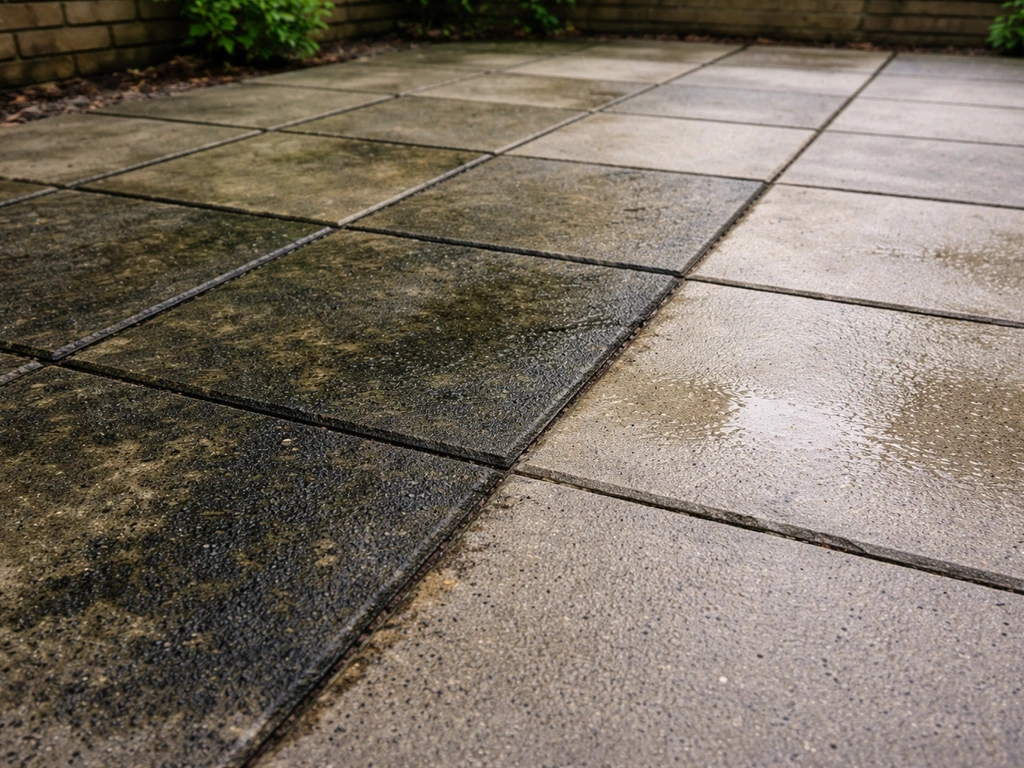
The best patio cleaner for your situation depends on two things: what your patio is made of, and what you're actually trying to remove. A concentrated bleach-based cleaner that blasts green algae off concrete can permanently etch sandstone or sandblast the joint sand out of brick pavers. Get those two variables right first, and the rest of the decision is straightforward.
Best Patio Cleaner Reviews: Pick the Right Cleaner by Surface
Rhea Lang
8 Jul 2026
If you want the best patio cleaner in Ireland, start by matching the cleaner chemistry to your patio material and the type of growth or stain you have. This guide walks through the top products by category, how to use them correctly, and how to read reviews so you're not burned by one that worked for someone with a completely different surface.
What 'best' actually means for your surface and stains
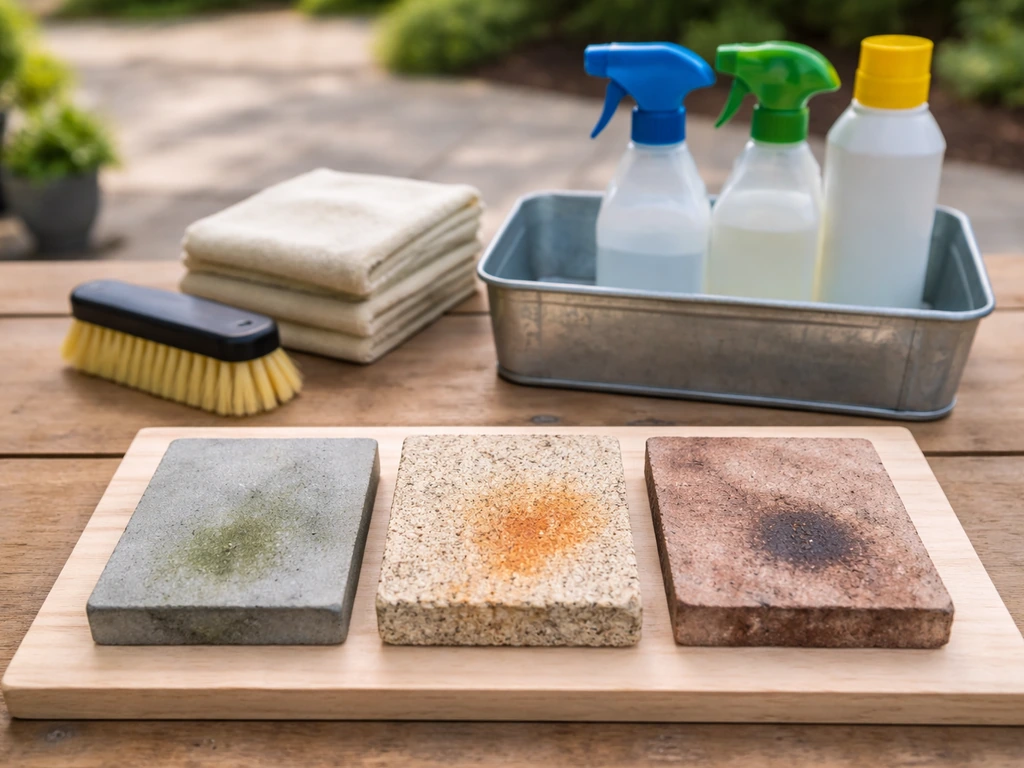
There's no single best patio cleaner. That claim is a marketing shortcut. What matters is the match between the product's chemistry and your specific material, plus the type of growth or stain you're dealing with. Before you look at a single review, lock in these two factors.
Surface types and what they can handle
| Surface | What to use | What to avoid |
|---|---|---|
| Concrete (poured or precast) | Bleach-based, acid-based, or oxygenated cleaners | Nothing to avoid — most products are safe here |
| Brick / clay pavers | Oxygenated cleaners, diluted bleach solutions | Undiluted acid cleaners, high-strength alkaline products |
| Natural stone (flagstone, granite) | pH-neutral or oxygenated cleaners | Acid-based products, strong bleach concentrations |
| Sandstone | Very dilute pH-neutral cleaners only | Acid cleaners, bleach, high-pressure rinsing |
| Slate | Mild pH-neutral or purpose-made slate cleaner | Acid or strong alkaline products, abrasive scrubbing |
| Porcelain / ceramic tiles | Most cleaners are safe; pH-neutral preferred | Strong acid cleaners on unglazed porcelain |
The stain type also shapes which chemistry wins. Biological growth (mold, algae, moss, lichen) responds to oxidizing agents, bleach-based products, and quaternary ammonium compounds. Rust stains need an acid-based or oxalic acid product. Grease needs a degreaser, alkaline-based. Pet stains (urine) need an enzymatic cleaner. Using the wrong chemistry wastes your time and money, and can damage the surface.
Top patio cleaner reviews by category
Chemical concentrates: best value for larger patios
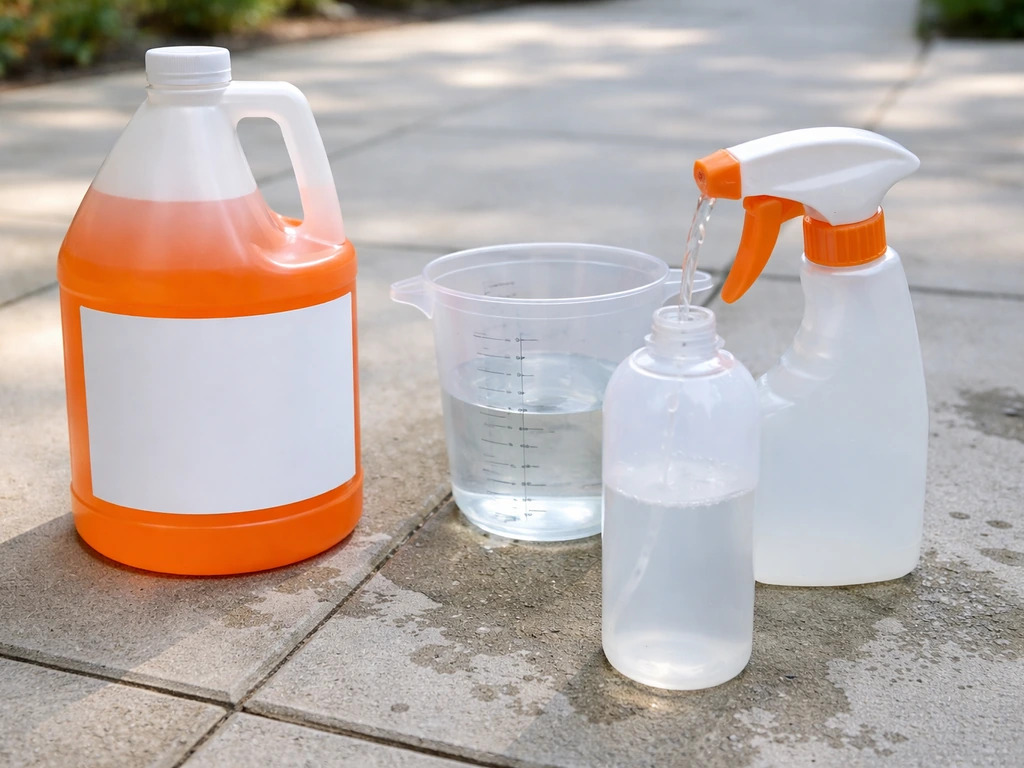
Concentrates give you the most product for your money and let you control dilution strength. Simple Green Oxy Solve Total Outdoor Cleaner is one of the most versatile in this category. It uses hydrogen peroxide-based chemistry to lift dirt and biological stains including mold, mildew, moss, and algae from concrete and other outdoor surfaces. The instructions call for a 3 to 5 minute dwell time before rinsing, which is enough for moderate growth.
For heavier moss or algae, I've found letting it sit closer to 10 minutes on concrete (not on stone) gets significantly better results. It's safe on most surfaces, has a mild smell, and rinses clean. The main limitation is that it won't touch rust or deep grease without a second, purpose-specific product. If you are shopping for options like the best patio cleaner available at Screwfix, focus on matching the chemistry to your surface and stain type.
For heavy-duty concrete work, bleach-based concentrates like sodium hypochlorite solutions (often sold as patio or driveway cleaner) work faster on biological growth. Mold Armor Concrete Sidewalk and Driveway Cleaner is a spray-on, rinse-off product with no scrubbing required, which is a genuine advantage on large areas. It's effective but not suitable for natural stone, sandstone, or slate. Always check the label for concrete-specific labeling before using on other surfaces.
Ready-to-use cleaners: best for low-effort or ongoing maintenance
Wet and Forget Outdoor Spaces sits in its own category. Rather than scrubbing or rinsing immediately, you spray it on and let weather do the work over days and weeks. Wet & Forget Outdoor Spaces is designed to work over time through progressive action with rain and weather, rather than instant scrubbing or rinsing [spray it on and let weather do the work over days and weeks](https://wetandforget. com/faq-wet-and-forget-outdoor-spaces.
html). It's not an instant fix, but for patios that get regular biological growth (roof runoff, shaded areas, damp corners), it works well as a maintenance treatment. The ready-to-use formula can also be diluted: for tougher growth like lichen, the guidance is roughly 1 part Wet and Forget to 5 parts water in a garden sprayer.
The slower action is a real drawback if you need the patio clean before the weekend, but as a set-it-and-forget-it maintenance spray applied in spring, it earns its reputation.
Eco-friendly and natural options: best for sensitive surfaces and gardens
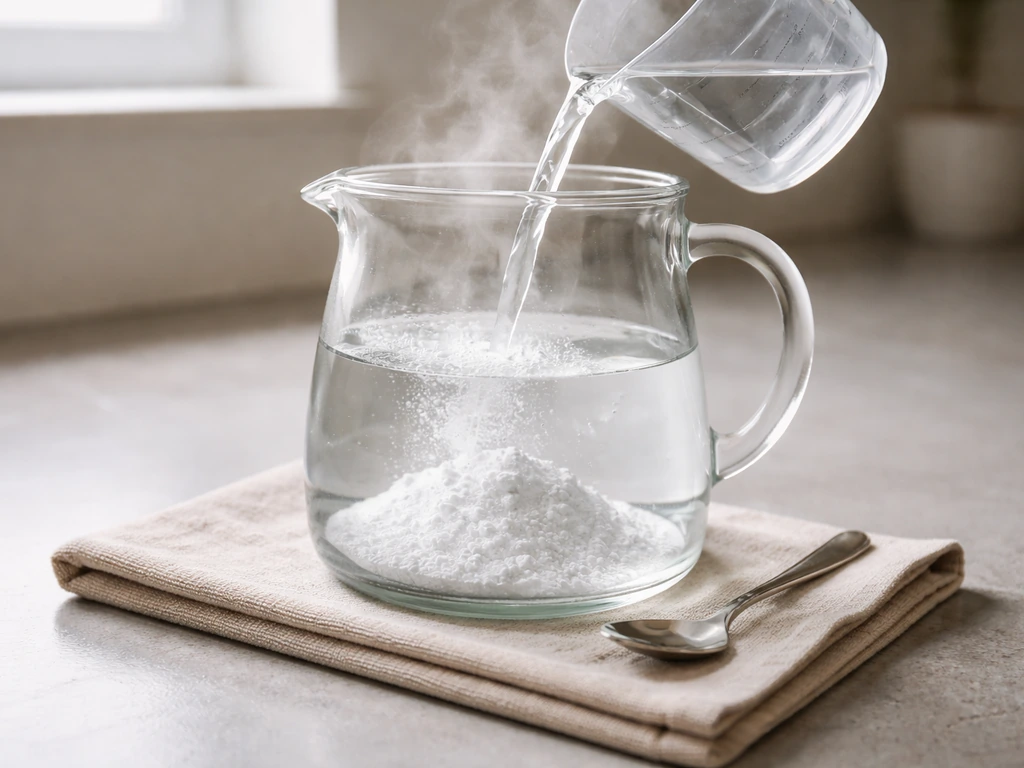
Oxygenated (percarbonate-based) cleaners like sodium percarbonate powder are the closest thing to a genuinely eco-friendly option that still delivers solid results. Mix with hot water (roughly 1 part powder to 6 parts water), apply, scrub, and rinse. The chemistry breaks down into water and oxygen, so runoff into garden beds isn't a concern. These work well on concrete, brick, and natural stone, and they're especially useful around planted patios where bleach runoff would damage plants. The downside: they're not as fast-acting on heavy algae as bleach-based products, and they require hot water activation to work properly.
White vinegar solutions come up constantly in reviews as a DIY natural cleaner. Honest take: diluted white vinegar works for light surface grime and some mild biological staining on concrete. It does not work well on heavy algae or moss. And it is mildly acidic, so do not use it on sandstone, slate, or limestone-based natural stone. The reviews that rave about vinegar are usually from people with concrete or porcelain, not natural stone.
Equipment pairings: pressure washer vs scrubber
The cleaner and the equipment are a package deal. Getting one right and the other wrong produces mediocre results at best and surface damage at worst.
When to use a pressure washer
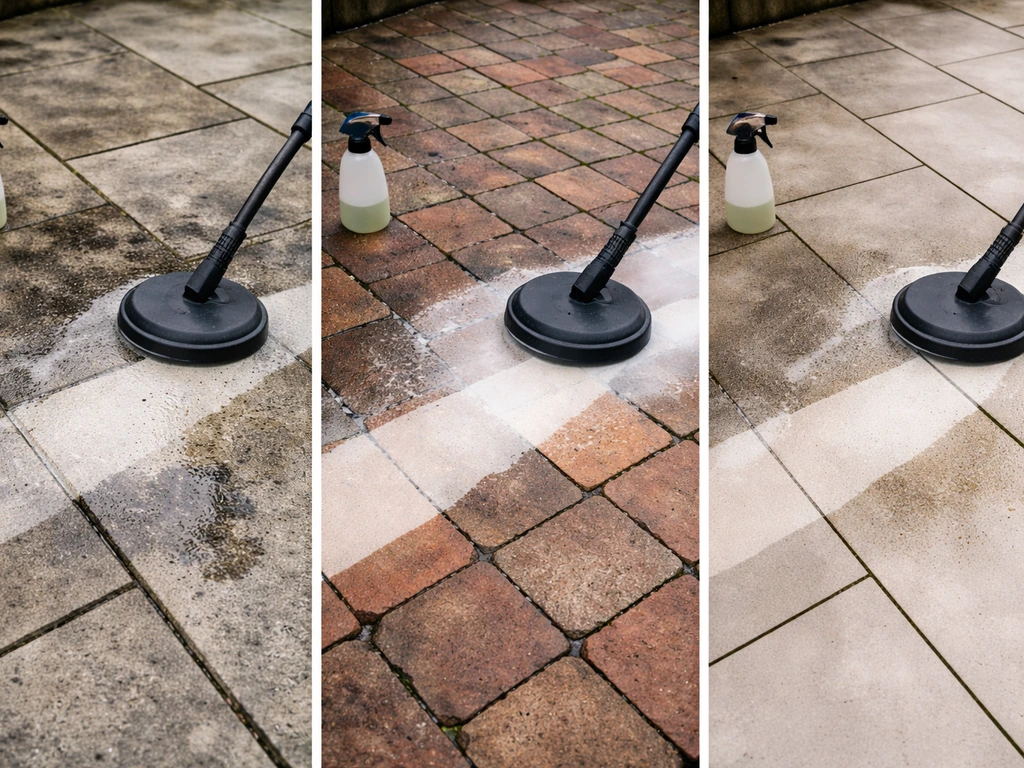
Pressure washers work brilliantly on concrete, porcelain, and hard brick pavers, especially when paired with a chemical cleaner. Apply the cleaner first, let it dwell, then rinse at medium pressure (1200 to 2000 PSI for a domestic electric washer). Use a rotary surface cleaner attachment rather than a wand nozzle for large flat areas: it cleans evenly, avoids stripe marks, and is much faster.
For sandstone, slate, and soft natural stone, step the pressure well down (below 1000 PSI) or skip the pressure washer entirely. High pressure on soft stone opens the surface, accelerates weathering, and can physically remove material. The blank" rel="noopener noreferrer">EPA's guidance for outdoor concrete and deck cleaners specifically calls for a low-pressure spray nozzle for applying the cleaner itself (not the rinse), which is a detail many people miss.
The EPA pesticide product label directions for deck and fence and concrete cleaners specify using a low-pressure spray nozzle for application and rinsing or watering plants after use.
When to scrub by hand (or with a brush attachment)
For delicate surfaces (sandstone, slate, textured porcelain, older brick), a stiff-bristle deck brush or a drill-powered scrubbing brush gives you control the pressure washer doesn't. Apply the diluted cleaner, work it in with the brush, and rinse with a garden hose. It's slower but you avoid any risk of etching or surface damage. For grout lines between pavers or tiles, a stiff narrow grout brush is more effective than any pressure washer nozzle.
Key accessories worth having
- Rotary surface cleaner attachment: essential for large concrete or porcelain areas, avoids stripe marks
- Turbo nozzle: increases cleaning power on heavy concrete staining without going up in PSI
- Chemical injector / downstream applicator: lets you apply cleaner through the pressure washer at low pressure before switching to rinse mode
- Stiff-bristle deck scrub brush: non-negotiable for natural stone and delicate surfaces
- Garden sprayer: the right tool for applying Wet and Forget type products or diluted chemical cleaners to large areas before scrubbing
How to choose and use your cleaner safely
Dilution ratios matter more than you think
More concentrated does not mean faster or better. On natural stone especially, an overdiluted solution applied correctly beats a full-strength product applied carelessly. Most concentrated patio cleaners give you a range (1:10 to 1:30 for light cleaning, 1:5 for heavy staining). Start on the weaker end of the range, especially for the first application or on surfaces you're not 100% sure about. For Wet and Forget applied to lichen, the 1 part concentrate to 5 parts water ratio in a garden sprayer is what the product specifies. For Simple Green Oxy Solve, follow the label ratio and stick to the 3 to 5 minute dwell time before rinsing.
Dwell time and rinsing
Dwell time is the period between applying the cleaner and rinsing. Too short and the chemistry hasn't done its job. Too long (especially with bleach-based products in direct sun) and the product dries on the surface, which can leave residue and potentially lighten coloured or sealed surfaces. A general rule: apply in cool or overcast conditions, never onto a bone-dry hot patio. For biological cleaners, 3 to 10 minutes is the typical effective range. Rinse thoroughly afterwards. If you're near garden beds or planting, rinse surrounding plants with clean water before and after using bleach or chemical products, and water down the soil in the area when you're done.
Compatibility checks before you buy
- Check for 'safe on natural stone' or 'safe on sealed surfaces' on the label — if it doesn't say it, assume it's not
- Acid-based cleaners (often labelled for rust removal) should never be used on sandstone, slate, limestone, or marble-type surfaces
- Bleach-based cleaners can bleach coloured sealers and strip certain paver sealants — check whether your patio is sealed before applying
- Pet-safe and child-safe claims usually apply once dried/rinsed; keep animals off the area until fully rinsed and dry
- If the product contains quaternary ammonium compounds, it may harm aquatic life in ponds — check proximity before use
Step-by-step cleaning by patio type
Concrete
- Sweep off loose debris
- Wet the surface with a garden hose
- Apply your chosen cleaner (bleach-based for biological growth, oxygenated for general grime) at the recommended dilution
- Let it dwell 5 to 10 minutes, keeping the surface wet if it starts to dry
- Scrub with a stiff brush or use a pressure washer with rotary surface cleaner at 1500 to 2000 PSI
- Rinse thoroughly, working water away from planted areas
- Allow to dry fully before checking results or applying sealant
Brick and clay pavers
- Sweep and remove any loose moss or debris by hand
- Pre-wet the surface
- Apply a diluted oxygenated or mild bleach-based cleaner (avoid undiluted acid cleaners)
- Dwell for 5 to 8 minutes
- Scrub with a stiff deck brush, paying attention to grout lines
- Rinse at medium-low pressure (1000 to 1500 PSI max) to avoid dislodging joint sand
- Re-sand joints if necessary after cleaning
Natural stone (flagstone, granite, slate)
- Use only a pH-neutral or specifically stone-safe oxygenated cleaner
- Dilute generously (start at the weaker end of the recommended ratio)
- Apply with a soft-bristle brush or garden sprayer
- Dwell no more than 5 minutes
- Scrub gently — no wire brushes, no abrasive pads
- Rinse with a garden hose at low pressure only
- Do a test patch in an inconspicuous area first and check after 24 hours before treating the full surface
Sandstone
Sandstone is the most unforgiving surface to clean. It's porous, soft, and reacts badly to acid, bleach, and high pressure. Use a very dilute pH-neutral cleaner (something specifically labelled for sandstone or natural stone) applied with a soft brush. Dwell for 3 to 5 minutes maximum, then rinse with a gentle garden hose. Never use a pressure washer on sandstone unless you're using very low pressure (under 800 PSI) with a wide fan nozzle. I learned this the hard way on a client's sandstone patio: a 10-second blast at 1500 PSI left permanent surface erosion in a test patch. Test first, always.
Porcelain tiles
- Sweep and rinse off loose dirt
- Apply pH-neutral or mild alkaline cleaner (most general patio cleaners are fine on glazed porcelain)
- Dwell 5 minutes
- Scrub with a soft-medium stiffness brush
- Rinse with pressure washer at 1500 PSI or garden hose
- For unglazed porcelain, avoid strong acid cleaners which can alter the surface texture
Stain-specific solutions
Mold and mildew
Bleach-based or oxygenated cleaners are your first choice here. Simple Green Oxy Solve handles this well on concrete and most hard surfaces. For stubborn black mold on concrete, a stronger dilution of sodium hypochlorite (pool shock or diluted bleach, around 1:10 with water) applied with a brush works faster. Always ventilate and wear eye protection. On natural stone, stick with an oxygenated cleaner only.
Algae (green or black)
Green algae on concrete or porcelain responds very quickly to bleach-based cleaners. Black algae is tougher and may need a second application or a dedicated algae-specific product. Wet and Forget is particularly good for patios with recurring algae in shaded spots: apply it in spring and the regrowth is significantly reduced over the season. For immediate results before an event, a bleach-based spray-on product like Mold Armor with a short dwell and pressure wash is faster.
Moss
Moss on patios is best treated while it's still green and living. Dead dry moss doesn't absorb the treatment chemistry as well. Apply your chosen biological cleaner (oxygenated or bleach-based depending on surface), let it dwell, then physically remove the dead material with a stiff brush or garden rake before rinsing. Pressure washing alone doesn't kill moss: it removes it but the spores and root structure remain. Treat first, then wash.
Rust stains
Rust requires an acid-based treatment. Products containing oxalic acid or phosphoric acid are the most effective. Apply directly to the stain, wait 5 to 10 minutes, scrub, and rinse. This is one of the few cases where I'd recommend spot treatment rather than broad application, both to concentrate the product on the stain and to limit acid contact with surrounding surface areas. Do not use acid-based rust removers on sandstone, slate, limestone, or any calcareous stone, the acid will dissolve the surface.
Grease and oil
Alkaline degreasers work best here. Purpose-made concrete degreasers or heavy-duty alkaline cleaners break down oil and grease better than general patio cleaners. Apply, agitate with a stiff brush to work it into the pores, dwell 10 to 15 minutes, and rinse. For old, set-in grease, you may need a second treatment or a poultice (applying an absorbent material soaked in degreaser, covering with plastic, and letting it draw the grease out overnight).
Pet stains (urine)
Pet urine on patio surfaces is both a staining and an odour problem. Enzymatic cleaners are the only option that actually breaks down the uric acid crystals responsible for the smell. General patio cleaners mask the odour temporarily. Apply an enzymatic pet cleaner at full recommended strength, let it dwell 10 to 15 minutes (longer for older stains), scrub, and rinse. For porous surfaces like concrete or natural stone, you may need two applications for deep-set older stains. Avoid using bleach on pet urine stains, mixing bleach with ammonia compounds (present in urine) produces a toxic gas.
How to evaluate reviews and avoid bad buys
Patio cleaner reviews are notoriously unreliable if you read them wrong. Here's what to actually look for when you're deciding whether a product is worth buying for your situation.
Check whether the reviewer has your surface
A 5-star review on concrete means almost nothing for your slate patio. Always look for reviewers who specifically mention their surface type. If the reviews don't specify, or if they all seem to be about driveways and you have sandstone, that's a red flag that the product hasn't been widely tested on your material.
Look for coverage honesty
Coverage claims on concentrate bottles are almost always calculated at maximum dilution (lightest application). For heavy staining or thick moss, you'll use significantly more product per square metre. Reviews that mention getting less coverage than advertised are telling you the product is being used at a stronger dilution for real-world results. Factor that into your cost-per-use calculation.
Red flags in reviews
- Reviews that don't specify the surface type or stain problem
- Reviews that praise the smell but say nothing about results (the smell is irrelevant to effectiveness)
- Any product marketed as 'suitable for all surfaces' without specific compatibility information — check the label, not just the marketing
- Reviews where the reviewer admits they didn't follow dwell time instructions and still got poor results (user error, not product failure)
- Products with exclusively 5-star reviews and no critical feedback — this is more often a sign of manipulated reviews than a perfect product
Green flags in reviews
- Reviewer specifies their surface type and stain, and their situation matches yours
- Mixed reviews that honestly describe the conditions (weather, surface age, stain severity) — these are real users
- Reviews that mention needing a second application for heavy staining (realistic expectation-setting)
- Mentions of smell, irritation, or safety precautions — this signals the reviewer paid attention to practical use
- Reviews from verified purchasers who describe the process step by step
Regional product availability
Some of the most-reviewed products online are US-formulated and either unavailable or reformulated in other markets. If you're in the UK or Ireland, many US product reviews won't reflect the version of the product on your shelf. There are excellent products available through UK retailers and specialist suppliers, and the regional differences in chemistry, concentration, and labelling are worth paying attention to when comparing reviews across different markets. That makes it easier to find the best patio cleaner uk options that match your patio material and stain type UK retailers and specialist suppliers.
Your quick decision checklist before you buy
Before you commit to a product or method, run through this list. It takes two minutes and saves a lot of frustration.
- Identify your surface: concrete, brick/paver, natural stone, sandstone, slate, or porcelain
- Identify your primary stain or problem: biological growth (mold/algae/moss), rust, grease, or pet stains
- Check whether your patio is sealed: sealed surfaces need a cleaner specifically safe for sealers
- Decide on your equipment: pressure washer available, or hand scrub only
- Choose the right chemistry for your surface and stain combination (see the table above)
- Read reviews filtered to your surface type only
- Do a test patch in an inconspicuous corner at the recommended dilution, wait 24 hours, and check for colour change or surface damage before treating the full area
- Apply in cool, overcast conditions for best results and to avoid premature drying
- Rinse surrounding plants and soil before and after if using bleach or chemical products near garden beds
The test patch step is the one people skip most often and regret most. It takes one small corner of your patio and 24 hours to confirm the product is safe for your surface. That's a much better outcome than discovering a compatibility problem after treating the whole patio.
FAQ
What should I do if I cannot tell what’s causing the staining on my patio?
If you do not know the stain type, start with the least aggressive option that matches your surface (pH-neutral cleaner or oxygenated cleaner on concrete and stone) and do a 24-hour test patch. Avoid guessing with bleach, vinegar, or pressure washing first, because those can permanently alter sandstone, lighten sealed surfaces, or spread organic stains if the biology is not treated first.
Can I combine patio cleaners or layer products to make them work faster?
Yes, but only with the same category of chemistry and only if the label allows it. As a rule, do not mix bleach with any ammonia-containing cleaners, and do not combine acids (like oxalic or phosphoric rust removers) with bleach or other alkaline products. If you need a two-step clean, treat in sequence (for example, degrease first, rinse thoroughly, then do an oxidizing treatment if needed) rather than mixing bottles.
How long should I wait between applying two different patio cleaners?
The safest approach is to rinse thoroughly and wait for full drying before applying a second product, especially when switching from bleach or acids to another chemistry. In practice, that usually means letting the patio dry completely (often a few hours to overnight depending on weather) and then doing a fresh test patch for compatibility.
Why do some “best patio cleaner” reviews fail to work for me even when I follow the label?
Start by checking whether the product is labeled for your specific surface, then verify dwell time, dilution ratio, and rinsing instructions. Many “not working” complaints come from people using too much dilution, skipping dwell time, or applying on a hot, bone-dry patio where the cleaner dries before it can react. If reviews show the same failure pattern, treat that as a use-method issue, not necessarily a product failure.
How do I estimate how many bottles or how much concentrate I’ll actually need?
Coverage is usually overstated because concentrate instructions assume light soil and maximum dilution. To estimate real cost, use the label’s recommended dilution for heavy staining or thick growth if your patio has it, then add 10 to 20 percent extra for grout lines, edges, and overlap from application.
What’s the safest way to clean a patio next to flower beds or garden plants?
If you have nearby plants, the key is controlling runoff and timing. Rinse surrounding plants with clean water before and after, and keep bleach or chemical cleaners off wet soil where they can flow into beds. For oxygenated and percarbonate cleaners, runoff is generally less risky, but you should still avoid flooding planting areas.
Will patio cleaner damage sealed or coated surfaces like stamped concrete or sealed pavers?
For sealed or coated surfaces (especially some textured porcelains and decorative coatings), stronger dwell times or full-strength solutions can leave residue or lighten the finish. Use the lowest recommended concentration, keep dwell to the product’s maximum, and rinse thoroughly. If you want a “no surprises” approach, do two small test patches at different dilutions (one mild, one stronger) and compare after drying.
How can I avoid streaks or patchy results when pressure washing after cleaning?
If you use a pressure washer, stick to medium pressure for hard surfaces and avoid holding the nozzle in one spot. Stripe marks usually come from rushing the rinse or using a wand on wide areas. For large flats, a rotary surface cleaner gives more even results, and using the chemical dwell time before pressure washing usually reduces the need for higher PSI.
What’s the correct order for dealing with moss, and will pressure washing alone fix it?
For green, living moss, treat first, then remove the loosened material with a stiff brush or rake before rinsing. Pressure washing alone often strips the visible layer but leaves roots and spores that regrow. Dead dry moss is harder to treat, so earlier intervention is the difference between a quick clean and a repeated cycle.
Can rust stains be cleaned without affecting surrounding pavers or stone?
Rust generally needs spot treatment with oxalic or phosphoric acid and should not be spread across the patio. Apply only to the stain, keep dwell short and controlled (around 5 to 10 minutes), and rinse well. Use a barrier approach (like minimizing runoff with careful application and rinsing) to protect surrounding surfaces, especially on any calcareous stone.
What’s the best way to remove pet urine stains and odor from porous concrete or natural stone?
Yes, pet urine is different because you need odor-causing compounds broken down, not just masked. Enzymatic cleaners should be used at full recommended strength for the first pass, with enough dwell to penetrate porous surfaces (often longer for older stains). Avoid bleach, and do not mix cleaners that contain ammonia residues.
My patio has more than one material, how do I clean it without damaging the softer parts?
If you have a mixed patio (for example, concrete slabs plus stone edging), clean by zone. Use the chemistry that matches the most sensitive material first, or separate the process so bleach and acid do not contact porous or calcareous stone. A practical method is to cover or tape off adjacent sections and rinse the boundary thoroughly after each zone is cleaned.
Next Article
Best Patio Cleaner UK: Choose the Right Product for Your Patio
Find the best patio cleaner UK for mold, algae, moss, grease and more, with surface-safe steps for every patio material.