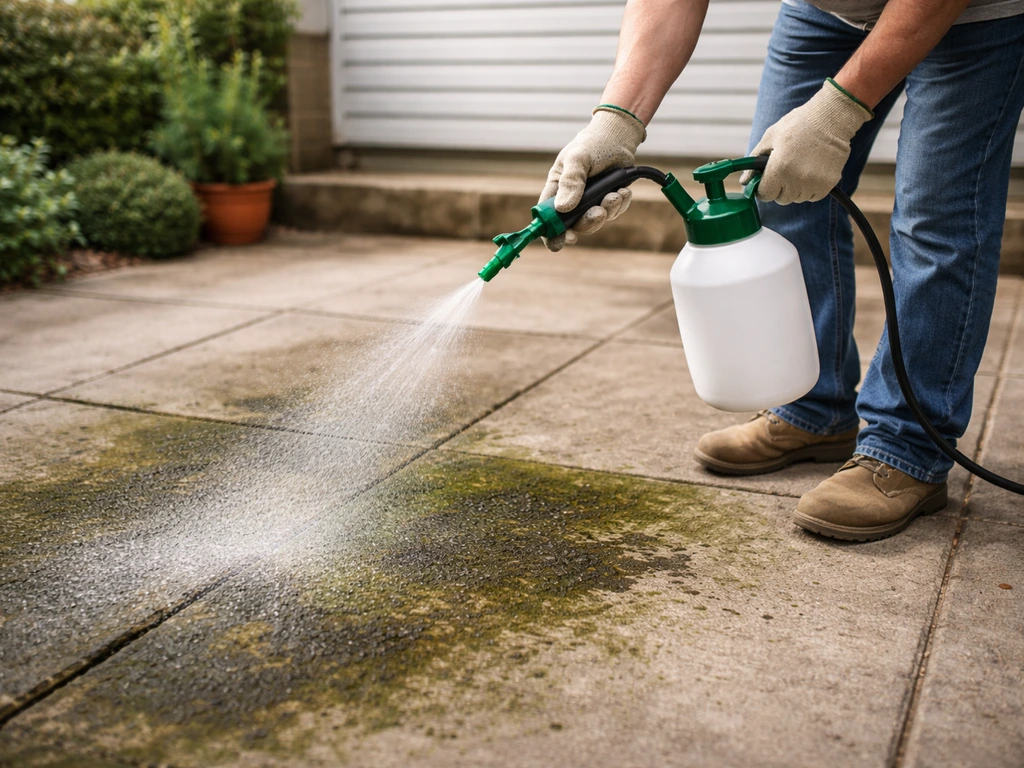
Windex Outdoor Glass & Patio Concentrated Cleaner works well on everyday outdoor grime like dust, bird droppings, smudges, and light dirt on glass and smooth patio surfaces. It is a genuine time-saver for outdoor windows and furniture because you just attach it to a hose and spray. For heavier buildup like hard-water scale, embedded algae, or deep-set patio staining, it will disappoint you. Know that going in and you will use it for exactly the right jobs.
Windex Outdoor Glass and Patio Cleaner Reviews: Results, How to Use

Rhea Lang
29 Apr 2026
What Windex Outdoor Glass & Patio Concentrate actually is
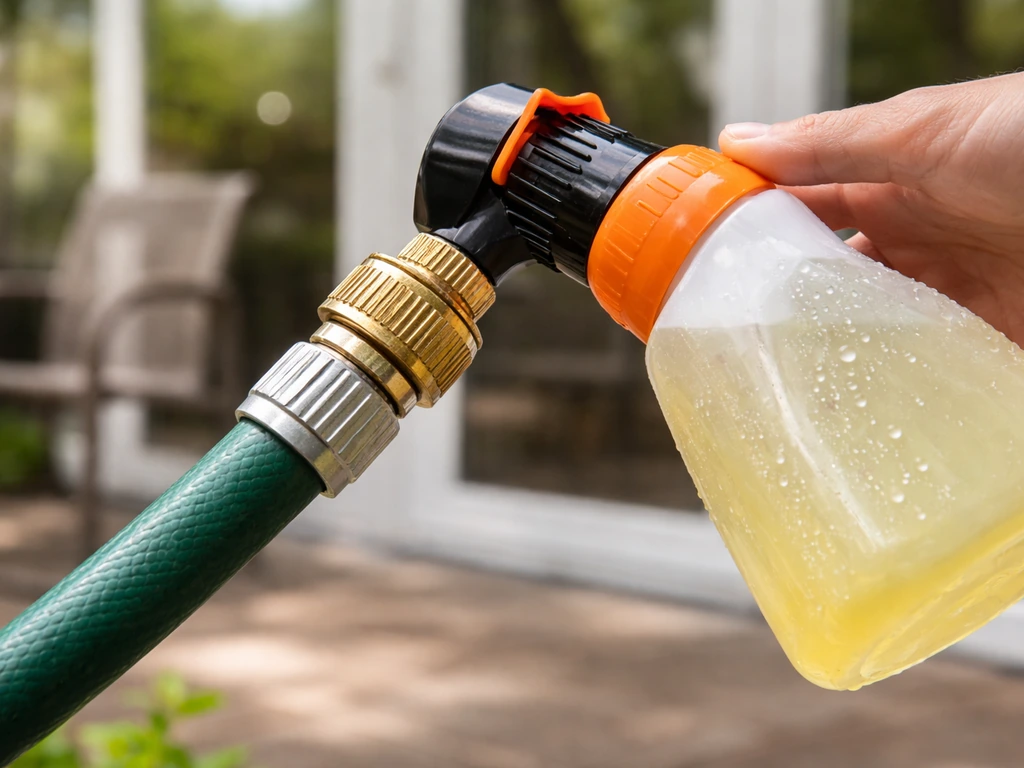
This is a hose-end concentrate designed specifically for outdoor glass surfaces and patio items like outdoor furniture, plastic chairs, and siding. The whole concept is spray-and-rinse, no wiping needed. The 32 fl oz bottle attaches directly to a garden hose using Windex's outdoor sprayer, which has a dial that switches between a rinse setting and a clean setting. The cleaner mixes with water automatically as it comes through the sprayer nozzle, so there is no separate dilution step required and the manufacturer is clear: do not dilute it yourself before use.
It is water-based and marketed primarily at outdoor windows, glass doors, and patio-adjacent surfaces. It is not a mold or algae biocide, and it is not designed for deep-cleaning textured concrete or porous stone patios. Think of it as a step up from just rinsing your outdoor windows with a hose, not a replacement for a dedicated patio cleaner or pressure washer.
How to use it correctly: mixing, application, dwell time, and rinsing
Getting good results depends almost entirely on following the sequence properly. I have seen people skip the pre-rinse step or let the suds dry on the glass in direct sun, and both will leave you with a streaky mess that takes more effort to fix than just doing it right first time. Here is the full process:
- Attach the concentrate bottle to your garden hose using the Windex outdoor sprayer attachment.
- Set the dial to Rinse and wet the entire surface thoroughly before applying any cleaner.
- Switch the dial to Clean and spray the product evenly across the surface.
- Let it soak for about 15 seconds. Do not walk away and forget it, especially in warm or sunny conditions where it can dry faster than you expect.
- Switch back to Rinse and rinse the surface completely, working top to bottom so suds do not re-deposit on areas you have already rinsed.
- Let the surface air dry. Do not wipe or squeegee unless you are dealing with a persistent water spot issue.
A few things that matter more than people realise: temperature and timing. The manufacturer recommends using the product above 13°C (about 55°F), which rules out early spring mornings in colder climates. More practically, avoid using it in full direct sun or midday heat. If the surface is warm and the suds dry before you rinse them off, you will get a white or cloudy film that looks worse than before you started. Early morning or a shaded section of the house is the ideal scenario. One user tip I have seen repeated online and agree with from experience: if you get streaks, the problem is almost always incomplete rinsing or low water pressure, not the cleaner itself. Get a better rinse rather than applying more product.
Cleaning performance by grime type: what it handles and what it struggles with
This is where honest expectations matter. Here is how Windex Outdoor Concentrate actually performs across the kinds of outdoor mess homeowners typically deal with:
Everyday dust, dirt, and smudges on glass
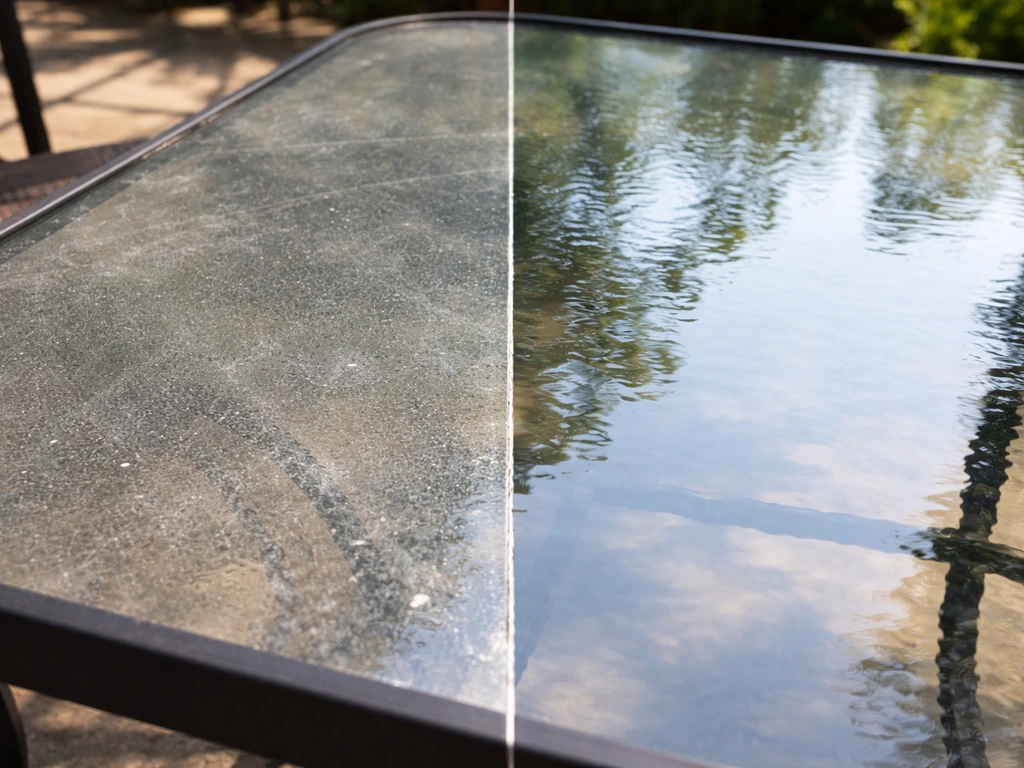
This is where the product genuinely earns its place. For seasonal grime on outdoor windows, glass conservatory panels, sliding glass doors, and glass-top patio tables, it does a solid job with minimal effort. One pass, proper rinse, and you get clean glass without touching it. For homes with lots of outdoor glazing, the time saving over hand-washing is real.
Bird droppings and organic surface deposits
Fresh or moderately weathered bird droppings on glass come off well. If the deposit has baked on through several sunny weeks, a single 15-second dwell time may not shift it completely and you may need a second pass or a brief manual pre-treatment with a damp cloth first.
Light mold, algae, or green organic film
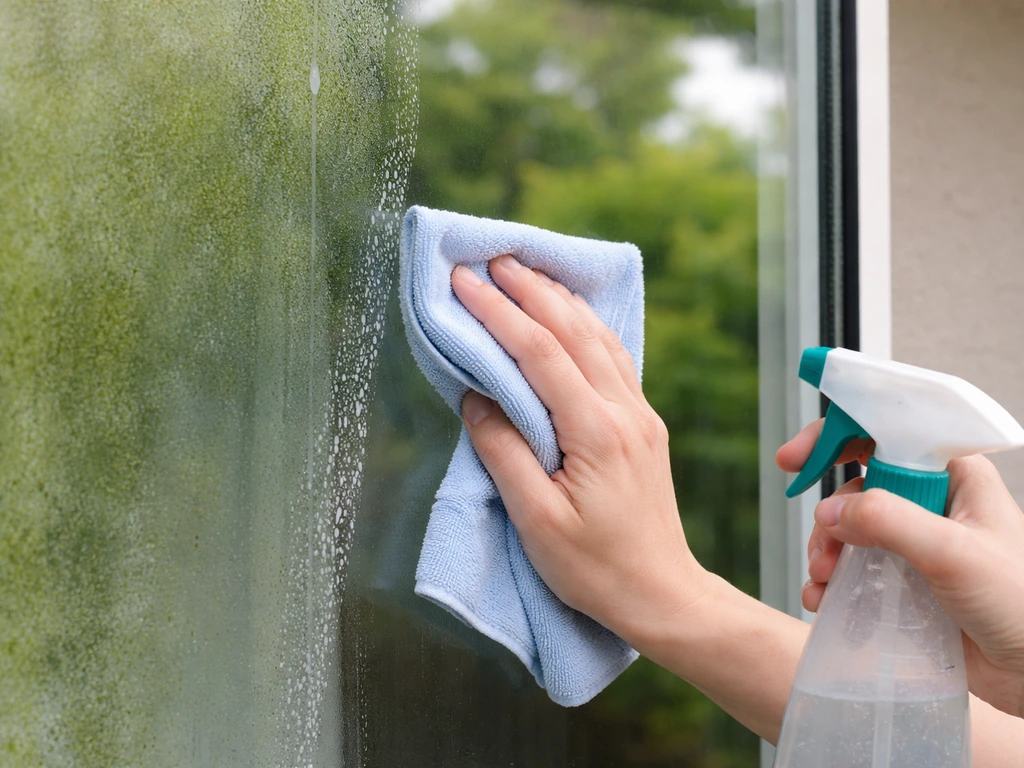
On glass surfaces with light green film or surface-level organic haze, this cleaner does a reasonable job. It is not a biocide though, so it is cleaning the surface rather than killing the organism at the root. If algae or mold has got into textured surfaces or grout lines, you will need something with an active biocidal ingredient. A dedicated outdoor mold cleaner is the better call there.
Hard-water deposits and mineral scale
This is one of the product's obvious weak points. If you live in a hard-water area and your outdoor windows have built-up mineral deposits or a persistent white haze that is not from the cleaner itself, Windex Outdoor will not remove it. You need an acidic cleaner or a specialist hard-water remover for that job. Multiple reviewers have flagged this, and honestly the manufacturer acknowledges it indirectly by attributing post-clean film to hard water rather than to the product's cleaning limits.
General patio surface grime
On smooth plastic furniture, painted surfaces, vinyl siding, and non-porous surfaces, results are generally positive for light to moderate dirt. On rough, textured, or porous patio materials like concrete, sandstone, or natural stone, the spray-and-rinse approach does not have enough contact time or mechanical action to pull dirt out of the surface properly. You are essentially rinsing the surface of the dirt rather than cleaning it.
Surface compatibility and safety: what you can and cannot use it on
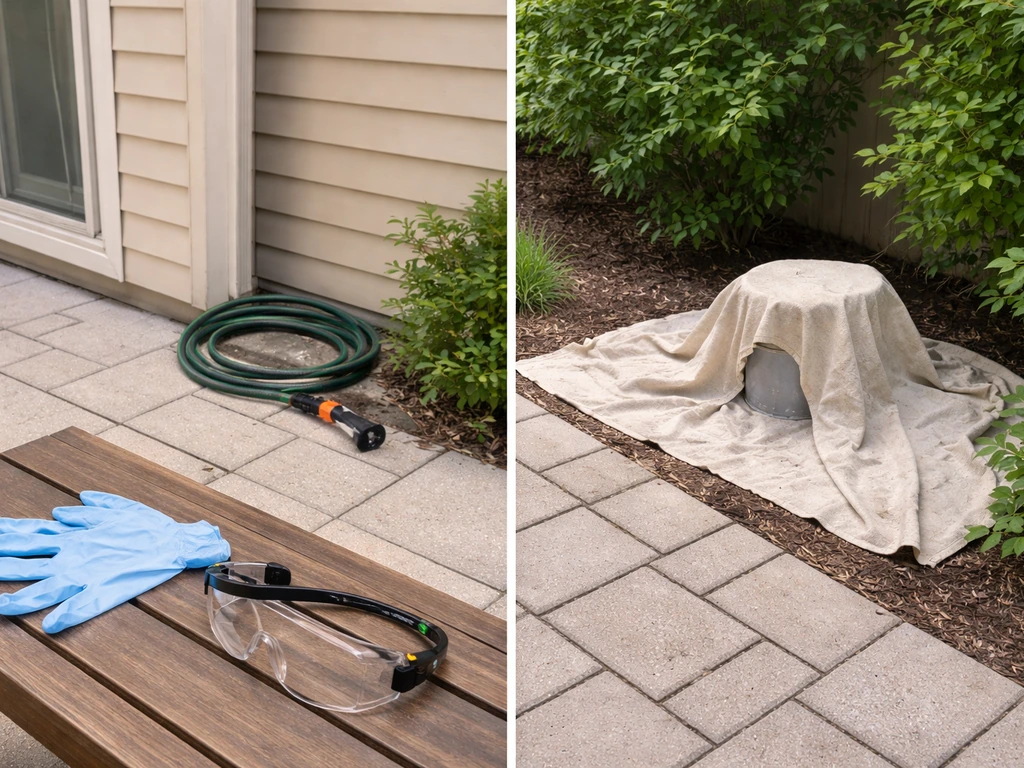
The manufacturer states the product will not harm plants, water-based or oil-based painted surfaces, siding, grills, or plastic surfaces when used as directed. That covers most of the items around a typical patio. For the specific patio surface types this site covers regularly, here is a practical breakdown:
| Surface Type | Compatibility | Notes |
|---|---|---|
| Outdoor glass / glass doors | Excellent | This is the primary use case. Follow rinse guidance carefully. |
| Plastic / vinyl furniture | Good | Works well on smooth surfaces with light grime. |
| Painted surfaces (water or oil-based) | Good | Manufacturer states safe when used as directed. |
| Vinyl siding | Good | Suitable for light cleaning pass. |
| Smooth porcelain or glazed tiles | Moderate | Can work on surface grime but not grout or textured finishes. |
| Concrete patio | Poor fit | Not designed for porous surfaces; grime stays embedded. |
| Natural stone (sandstone, slate, limestone) | Not recommended | Porous and sensitive surfaces need pH-neutral specialist cleaners. |
| Brick | Poor fit | Textured surface means inadequate contact time for spray-and-rinse. |
| Grills (exterior surface) | Acceptable | Manufacturer lists grills as safe; rinse thoroughly after. |
Plants and pets
The manufacturer says overspray will not harm plants, which is reassuring if you are cleaning near garden beds or planting containers. As a general precaution, I would still wet surrounding plants with plain water before you start and rinse them off after, especially if you are working near low ground cover that could catch runoff. For pets, keep dogs and cats off the area while you are working and until the surface has dried and been rinsed. The cleaner is water-based and rinses away, but no reason to have an animal licking freshly treated surfaces.
Personal safety and ventilation
The product's safety data sheet classifies it as causing serious eye irritation (Category 2A), so wear protective gloves and eye protection when attaching the bottle, handling the concentrate, and during application. If you get product in your eyes, rinse with water for several minutes and seek medical advice if irritation continues. Because you are typically using this outdoors with a garden hose, ventilation is not a significant concern, but avoid spraying into wind that would blow product back toward your face.
How it compares to other outdoor cleaners and similar Windex products
Windex Outdoor Concentrate occupies a fairly narrow niche. It is specifically optimised for glass and smooth surfaces with a no-scrub, hose-end delivery method. That distinguishes it from dedicated patio and deck cleaners that are formulated to penetrate porous surfaces. For patio and deck surfaces, you will usually want dedicated instructions from a product made to work on those tougher materials dedicated patio and deck cleaners. Products like those reviewed in our Clorox Patio and Deck Cleaner and Mold Armor E-Z Deck Fence and Patio Wash write-ups use more aggressive surfactants and in some cases biocidal ingredients that specifically target mold, algae, and mildew at the surface level. Windex is not competing with those for patio deck use: it is competing with the effort of hand-washing your outdoor windows.
Within the Windex lineup itself, the outdoor concentrate is the right product for large glass areas where you want to avoid ladder and squeegee work. The regular indoor Windex spray is a better option for smaller glass items or spot-cleaning because it gives you more control over where the product lands and how you work it.
Compared to natural cleaning alternatives like white vinegar diluted in water, the Windex hose-end system is faster and easier to apply over large areas, but diluted vinegar can actually outperform it on hard-water mineral deposits because of the mild acid action. For a more eco-conscious approach to light patio furniture cleaning, a diluted dish soap and water solution with a soft brush is genuinely competitive on a cost-per-clean basis, even if less convenient.
Quick comparison: Windex Outdoor vs alternatives
| Product / Method | Best For | Struggles With | Ease of Use |
|---|---|---|---|
| Windex Outdoor Concentrate | Outdoor glass, smooth surfaces, light grime | Porous patio surfaces, hard-water scale, mold biocidal action | Very easy (hose-end spray-and-rinse) |
| Dedicated patio deck cleaner (e.g. Clorox, Mold Armor) | Concrete, wood, paving, algae/mold removal | Delicate glass surfaces, quick spot jobs | Moderate (often requires scrubbing or dwell time) |
| Scotts Outdoor Cleaner / Zero Scrub | Broad patio surfaces, mold/algae, no-scrub use | Fine glass streak-free finish | Easy (hose-end) |
| Pressure washing | Stubborn staining, large patio areas, embedded grime | Delicate surfaces, frames, seals, window glass | Moderate (equipment setup required) |
| Diluted white vinegar | Hard-water deposits, mineral scale on glass | Heavy biological growth, large-scale grime | Low-cost but labour-intensive |
| Dish soap + soft brush | Patio furniture, spot cleaning | Large glass areas, efficiency on large jobs | Simple but slow |
When to use Windex Outdoor vs switching to pressure washing or another product
Here is the honest decision rule I use. If the job is primarily outdoor glass, meaning windows, glazed doors, conservatory panels, or glass-top furniture, and the grime is regular seasonal buildup rather than deeply embedded or biological in nature, Windex Outdoor Concentrate is a genuinely useful product and worth the convenience. It saves time versus hand-washing and produces acceptable results when you follow the rinse guidance.
Switch to a dedicated patio surface cleaner if the bulk of your job involves any porous surface: concrete slabs, natural stone, brick, sandstone, or slate. Windex is not formulated for that work and you will be disappointed with the results. For mold, algae, or green slime that has colonised patio surfaces properly, you need a product with an active biocidal ingredient and enough contact time to actually kill the organism, not just rinse the surface. Clorox Patio and Deck or similar products are better matches there. If you want a closer look at how these cleaners perform, check out clorox patio and deck cleaner reviews before choosing a formula Clorox Patio and Deck or similar products. If you are specifically looking at scotts patio and deck zero scrub reviews, it can help to compare how it performs on porous surfaces and whether it includes the right active ingredients for algae or mildew clorox patio and deck cleaner reviews.
Bring in a pressure washer when you are dealing with large patio areas, stubborn embedded staining, heavy buildup after winter, or a surface that simply needs mechanical force to shift what chemical cleaners cannot. One thing to be aware of: do not use a pressure washer on your glass panels, window frames, or rubber seals, and do not use Windex Outdoor Concentrate on heavily textured patio surfaces where adequate rinsing of product is not possible. Each tool has its lane.
If you are on the fence about whether Windex Outdoor will work on a particular surface, test a small inconspicuous area first, rinse it completely, and let it dry before committing to the whole job. That is especially important on any natural stone surface where the wrong cleaner can leave residue or cause discolouration. When in doubt about a porous or sensitive patio material, use a pH-neutral specialist cleaner rather than a glass-focused product.
The bottom line on Windex Outdoor Concentrate
For outdoor glass cleaning, it earns its place in the shed. The spray-and-rinse method is genuinely convenient, and for homes with a lot of outdoor glazing, it removes the tedium of hand-washing windows. The critical caveats are: use it above 55°F, do the full pre-rinse, do not let it dry before rinsing, and have adequate water pressure to flush the suds completely. Get those things right and you will get clean glass. Ask it to handle a concrete patio, hard-water scale, or active mold and you will need something else.
FAQ
Will Windex Outdoor Glass and Patio Cleaner remove hard-water spots and mineral haze?
Yes, but treat it as a rinse-and-clean product, not a stain remover. Do a quick test on one panel, then plan on a full pre-rinse and a thorough flush. If the “stain” is actually organic growth (green haze, mildew) or hard-water scale, you will usually need a separate mold/algae product or an acidic hard-water remover rather than more passes with this cleaner.
What should I do if my glass looks streaky after using Windex Outdoor?
If streaks appear, don’t automatically add more concentrate. The most common causes are incomplete rinsing and insufficient water flow at the surface. Increase the rinse duration, check that the hose-end dial is on the correct clean setting, and verify water pressure at the nozzle. Only after that should you consider a second pass.
Can I use Windex Outdoor in early spring or on a hot sunny day?
Use it only when the outdoor temperature is above about 13°C (55°F) and avoid direct midday sun. Even warm-but-not-sunny conditions can fail if the suds dry before you rinse. The fix is timing and full rinse, not using more product.
Can I combine Windex Outdoor with a pressure washer on the same glass surfaces?
Avoid pressure washing glass panels, frames, and rubber seals. If you must use a pressure washer nearby, use it after any patio cleaning steps and keep the stream away from seals and joints to reduce the risk of forcing water and cleaner into areas you do not want to penetrate.
Is it okay to dilute Windex Outdoor concentrate to make it last longer?
Don’t dilute it yourself. It is designed as a hose-end concentrate with automatic mixing through the sprayer, and the product direction is not to pre-dilute before attaching. If you want less coverage, adjust your spray pattern and do a proper rinse rather than changing the chemical ratio.
Will Windex Outdoor work on textured concrete or natural stone patios?
For smooth, non-porous items (outdoor glass, glass-top tables, plastic furniture), it generally is straightforward. For porous materials (textured concrete, sandstone, natural stone), it typically leaves dirt behind because the spray-and-rinse method lacks scrubbing and contact time. Switch to a patio surface cleaner made for porous surfaces if your main target is concrete or stone.
Does Windex Outdoor kill algae or mold, or is it just surface cleaning?
If there is embedded algae, mold, or growth in grout lines or surface texture, this cleaner is unlikely to “kill it.” Use it only for surface cleaning and then switch to a biocidal mold or algae treatment for the next step. Often you will need both: clean first, then treat, following the biocide product’s instructions.
How careful do I need to be around garden beds and plants?
Yes, you should protect plants even though the product is marketed as rinsing away. A simple precaution is to wet surrounding vegetation with plain water before you start and then rinse afterward to minimize any runoff. Also avoid spraying into wind that could carry droplets onto beds.
What safety precautions should I take when applying the hose-end concentrate?
Use eye protection and gloves, and avoid spraying into wind. While ventilation is usually not a big issue outdoors, you should still keep your face and eyes out of the spray path. If product gets in your eyes, rinse with water for several minutes and get medical advice if irritation continues.
How can I tell if Windex Outdoor is safe for my specific patio or stone surface?
Test a small hidden area, fully rinse, and let it dry to confirm you do not get residue or discoloration. This is especially important for natural stone and any surface with past coatings. If the test shows a haze or change in tone, switch to a pH-neutral specialist cleaner instead of continuing.
When should I stop using Windex Outdoor and use a different cleaner or tool?
Not usually. The spray-and-rinse design is meant for outdoor glass and smooth surfaces, and it may not provide enough mechanical action for heavy, embedded grime or after-winter buildup across large areas. For large patios, stubborn staining, or situations that need mechanical force, a pressure washer or a dedicated patio surface cleaner is typically the better tool.
Is the hose-end version the best option for small spots or minor smudges?
Yes, a small “spot” approach can work on smaller glass areas, and it may be easier to control than the hose-end method. For very small jobs or indoor-leaning cleanup, the regular indoor Windex-style spray can provide more control, reduce runoff, and help you avoid over-spraying adjacent surfaces.
Next Article
How to Use Wet and Forget Patio Cleaner Step by Step
Step by step guide to apply Wet and Forget patio cleaner, prep and safety, dwell time, rinse or no rinse, and troublesho