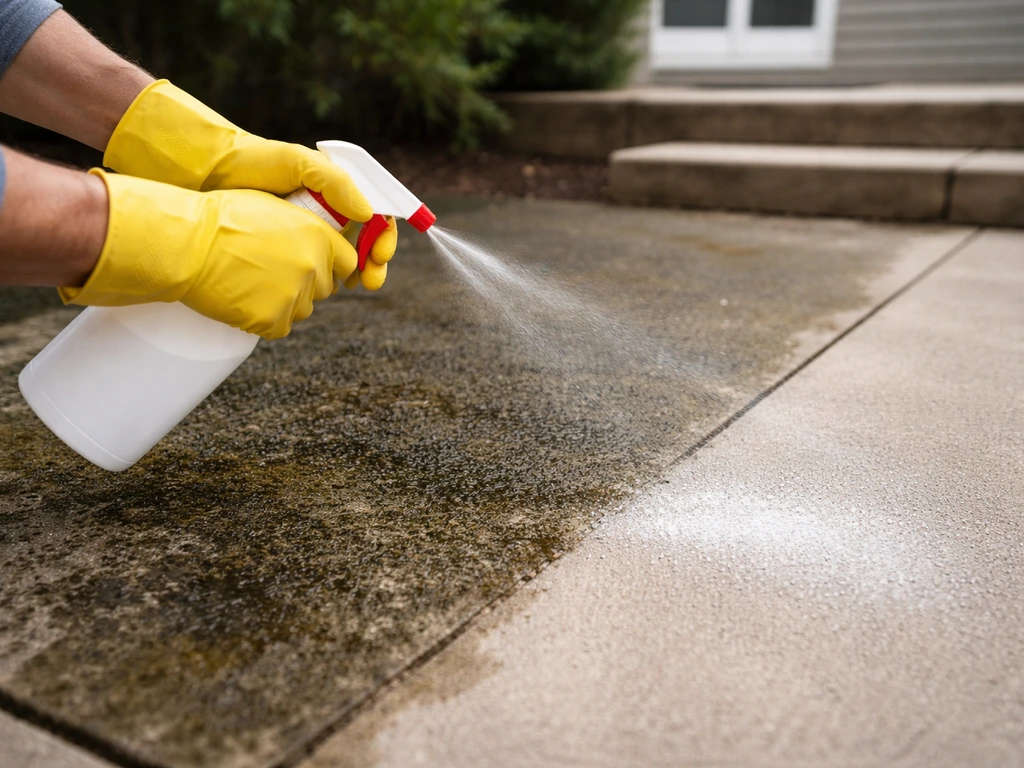
Mold Armor E-Z Deck, Fence & Patio Wash does work for mold, algae, and mildew on most outdoor surfaces, but it performs unevenly depending on what you're cleaning. On concrete, sealed wood, composite, and PVC, it genuinely delivers quick results with almost no effort. On bare wood decks, especially older or heavily grimed boards, it struggles and the reviews reflect that. The formula is 5.25% sodium hypochlorite, the spray-on-wait-rinse process is real and takes about 20 minutes, and the no-scrubbing claim is mostly true for light-to-moderate growth. If you've got a serious buildup or a cedar deck, you'll want to know the limitations before you spend money.
Mold Armor E-Z Deck Fence & Patio Wash Reviews and How-To

Rhea Lang
29 Apr 2026
What Mold Armor E-Z Deck, Fence & Patio Wash is and when to use it
This is a bleach-based outdoor cleaner built around sodium hypochlorite at 5.25% concentration, along with sodium chloride and sodium phosphate. The manufacturer markets it as a three-step process: spray on, wait 10 minutes, wash off. That's genuinely the whole application, which is why it appeals to homeowners who don't own a pressure washer or don't want to spend a Saturday scrubbing.
It's designed for two slightly different jobs, and the manufacturer actually distinguishes them. If you want to kill mold, you apply full strength, wait a full 10 minutes, then rinse thoroughly. If you want to remove mold and mildew stains, the dwell time is 5 to 10 minutes before rinsing. That difference matters in practice because leaving the bleach solution sitting longer than necessary on stained wood can contribute to discoloration rather than fix it.
The best situations to reach for this product are: light to moderate green algae or black mildew on a patio or fence before a repaint or reseal, routine seasonal cleanup on concrete or composite decking, and surface prep before you apply a new deck finish. It's less ideal as a first resort for heavy organic buildup that's been sitting for years, or for untreated cedar and redwood less than two years old.
Honest review: what it actually does in the real world
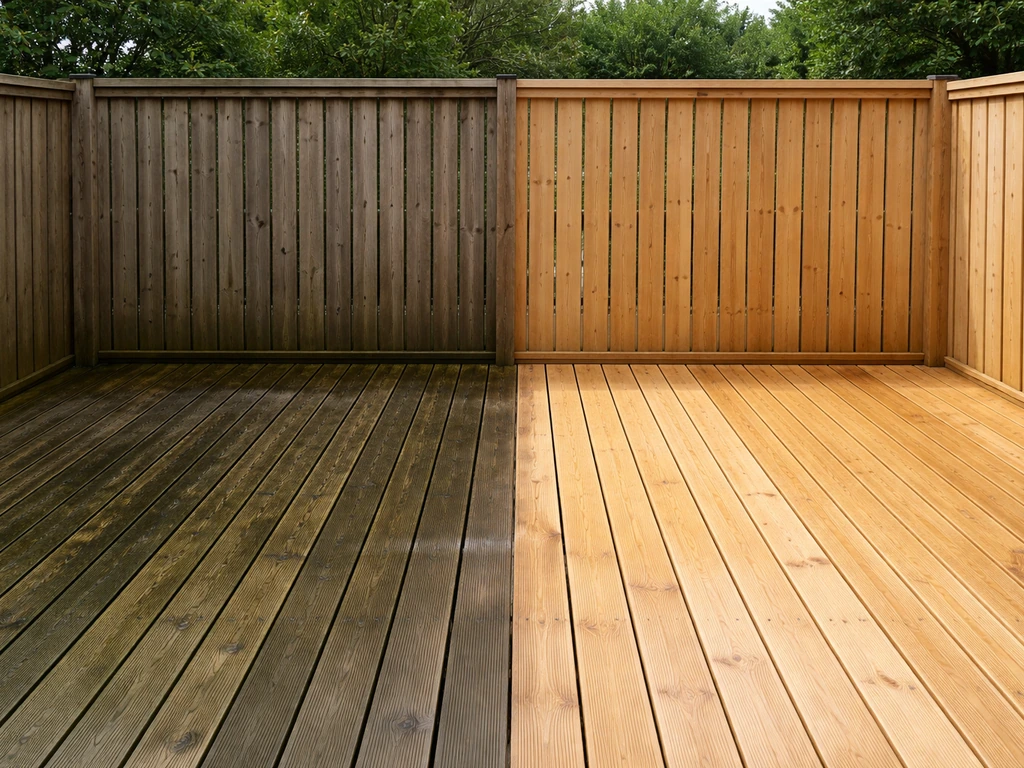
The product carries a 4.3 out of 5 rating across 87 reviews on Lowe's, and over 548 reviews on Home Depot's listing for the 4-pack. Those numbers tell a story of a product that genuinely satisfies most buyers, but the text reviews show a clear pattern: it works well on hard surfaces and struggles on bare wood. One reviewer summed up the positive side perfectly by saying it worked great with just 20 minutes of dwell time and a rinse. But others specifically called it 'worthless on wooden decks' for algae and grime that had really set in. I've found the same split in practice.
Coverage is impressive on paper. Lowe's lists it at up to 9,000 square feet per gallon, which sounds enormous. In reality that figure applies to light surface treatment on smooth, non-porous materials. On rougher concrete or textured composite, you'll cover significantly less area. Still, for most average patios or fence sections, one gallon is more than enough for a full clean and a follow-up pass if needed.
For mold and mildew on concrete patios, sealed fence boards, painted wood, and composite decking, I'd call the results genuinely good. The bleach chemistry kills mold down to the root level (as the manufacturer claims), and the visible browning and black spotting does clear up noticeably within the dwell period. For algae on smooth concrete, this is honestly one of the easier solutions I've used. For bare pressure-treated lumber with embedded algae, it lightens the staining but rarely removes it completely in one pass.
Step-by-step application guide
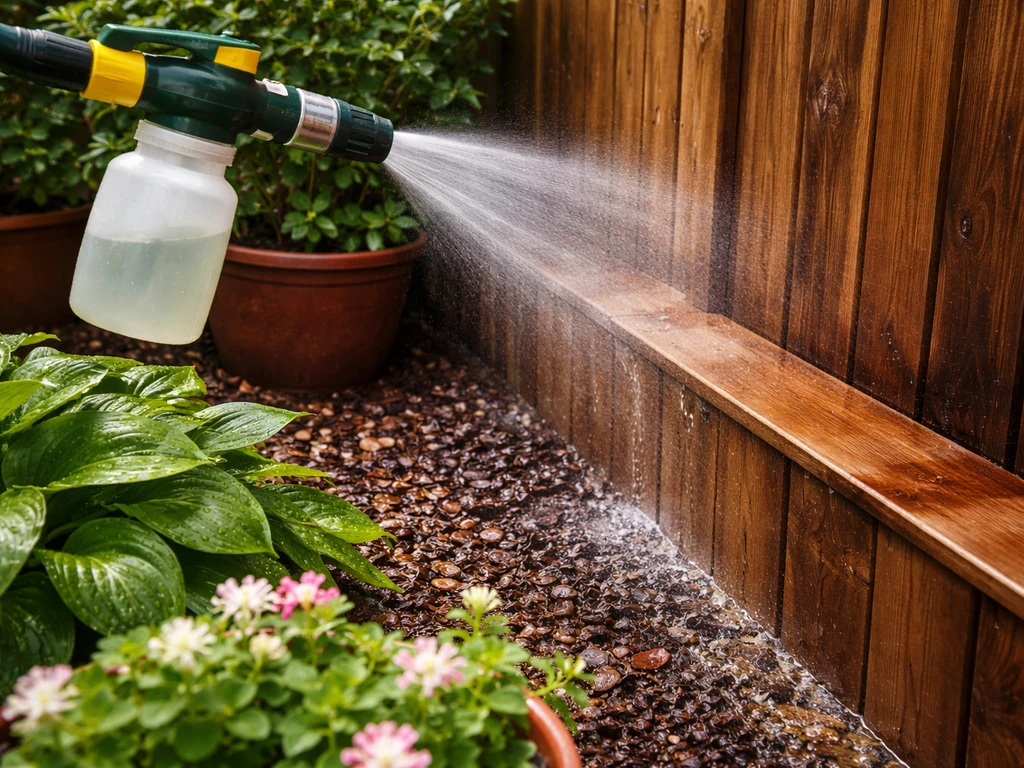
The hose-end spray version (FG512M) makes this straightforward, but there are a few prep steps that are genuinely important and not just label boilerplate.
- Protect your plants first. Thoroughly wet all surrounding plants, lawn, and garden beds with plain water before you start. The sodium hypochlorite will damage vegetation if it runs off or drifts onto leaves.
- Clear the surface. Remove furniture, pots, and any items sitting on the deck or patio. Sweep off loose debris so the solution contacts the actual surface.
- Check the conditions. Avoid application on windy days (the product label specifically warns against this), and don't apply in direct intense sun if you can help it, as rapid evaporation reduces dwell time and increases risk of streaking.
- Attach the hose. Connect your garden hose to the nozzle, making sure the valve is in the OFF position before turning on the tap.
- Apply the product. Turn the nozzle to CLEAN and coat the target area working from the bottom up. This prevents drips streaking down uncoated surfaces. Work in sections you can rinse within 10 minutes.
- Wait 5 to 10 minutes. For stain removal, 5 to 10 minutes is sufficient. For killing active mold growth, use the full 10 minutes. Don't exceed 10 minutes on wood surfaces, especially if the wood is older or unfinished.
- Rinse thoroughly. Turn the nozzle to RINSE and wash the area completely. The manufacturer says to rinse both the treated area and the surrounding ground. Don't skip this step, as residue left on the surface can cause discoloration.
- Rinse your plants again. Hit surrounding vegetation with clean water after you're done for extra protection.
- Check for stubborn spots. If staining persists after the surface dries, the label explicitly allows for a second application on particularly stubborn areas.
A word on personal protective equipment: wear old clothes you don't mind bleaching, rubber gloves, and eye protection. The sodium hypochlorite concentration is meaningful and will bleach fabric and irritate skin on contact. I learned this the hard way when a backspray hit my shirt on a breezy day.
Which surfaces it works on (and which to avoid)
The manufacturer lists a solid range of compatible materials, and the Lowe's product specs include specific compatibility flags that are worth knowing before you spray anything.
| Surface | Compatible? | Notes |
|---|---|---|
| Concrete | Yes | Performs well, one of the best use cases |
| Sealed/painted wood | Yes | Works well, test in an inconspicuous area first |
| Composite decking | Yes | Good results, check manufacturer warranty |
| PVC decking/fencing | Yes | Safe and effective |
| Resurfaced/restored finishes | Yes | Suitable for surface prep before painting |
| Pressure-treated lumber (2+ years) | Yes, with caution | Works but results are inconsistent on bare wood |
| Cedar and redwood (2+ years old) | Use with caution | Test first, bleaching risk is real |
| Cedar or redwood under 2 years old | No | Explicitly not recommended on the label |
| Natural stone (unsealed) | Test first | Bleach can affect some stone types and grout |
| Brick | Generally yes | Concrete-style chemistry applies, test if unsealed |
| Metal surfaces | Avoid prolonged contact | Can cause pitting and discoloration |
For those using it on natural stone, brick, or sandstone patios, the key variable is whether the surface is sealed. On unsealed porous stone, the bleach can penetrate and potentially lighten or discolor the material. Always test a small hidden area first and give it 24 hours before committing to the full surface. Sealed or painted brick and concrete are generally fine.
How it compares to other cleaning options
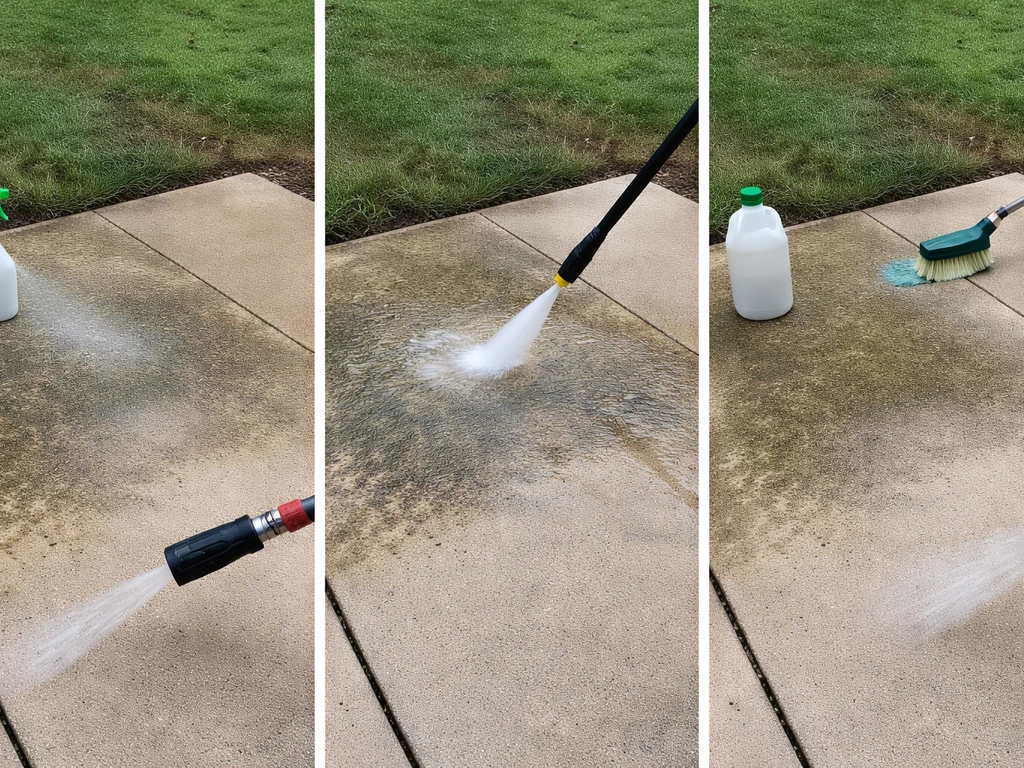
The honest comparison is between this product, pressure washing, and alternative chemical cleaners. Each has real trade-offs depending on your situation.
| Method | Effort | Risk to surface | Effectiveness on mold/algae | Cost |
|---|---|---|---|---|
| Mold Armor E-Z Deck | Very low (spray and rinse) | Low to moderate (bleach) | Good on hard surfaces, moderate on bare wood | $13 per gallon |
| Pressure washing alone | Moderate (setup, technique) | Moderate to high on wood/soft stone | Good physical removal, doesn't kill spores | Equipment cost or rental |
| Pressure washing + cleaner | Moderate | Moderate | Best overall results | Equipment + cleaner cost |
| Oxygen bleach cleaners (e.g. Scotts) | Low to moderate | Very low | Slower but gentler, better for bare wood | Similar price range |
| Clorox Patio and Deck cleaner | Low | Low to moderate | Similar bleach-based chemistry | Comparable |
| Natural/vinegar solutions | Moderate (more scrubbing) | Very low | Poor on heavy growth | Minimal |
If you have a pressure washer available, combining it with a chemical pre-soak (including this product) gives the best results, especially on concrete or textured surfaces. But for most homeowners cleaning a fence or sealed patio, Mold Armor on its own gets the job done without needing any equipment beyond a garden hose. If you are searching for clorox patio and deck cleaner reviews, this type of bleach-based deck and fence cleaner is often compared for similar mold and mildew results Mold Armor on its own. The pressure washing-only approach physically removes growth but doesn't kill mold at the root level, which means it comes back faster.
Compared to oxygen bleach-based cleaners like Scotts Outdoor Cleaner, Mold Armor works faster and with less effort, but it's harsher on delicate wood species and plant life nearby. Scotts Outdoor Cleaner patio and deck instructions are helpful too if you prefer an oxygen-based approach instead of sodium hypochlorite. If you're dealing with a sensitive wood deck or have a lot of planting beds right against your patio, an oxygen bleach formula is worth considering. If speed and convenience on hard surfaces are the priority, Mold Armor has the edge.
Pros, cons, common mistakes, and troubleshooting
The honest pros and cons
- Pro: Genuinely no-scrub application on most hard surfaces
- Pro: Fast results, visible improvement within the 10-minute dwell
- Pro: Exceptional coverage (up to 9,000 sq ft per gallon on smooth surfaces)
- Pro: Useful for surface prep before painting or staining a deck
- Pro: Affordable, especially in the 4-pack from Home Depot
- Con: Inconsistent results on bare, unfinished, or older wood decks
- Con: Not safe for cedar or redwood under 2 years old
- Con: Risk of plant damage if you're not careful with runoff
- Con: Metal contact (railings, fasteners) needs to be minimized
- Con: Does not replace a pressure wash for deeply embedded staining
Troubleshooting streaks, discoloration, and re-growth
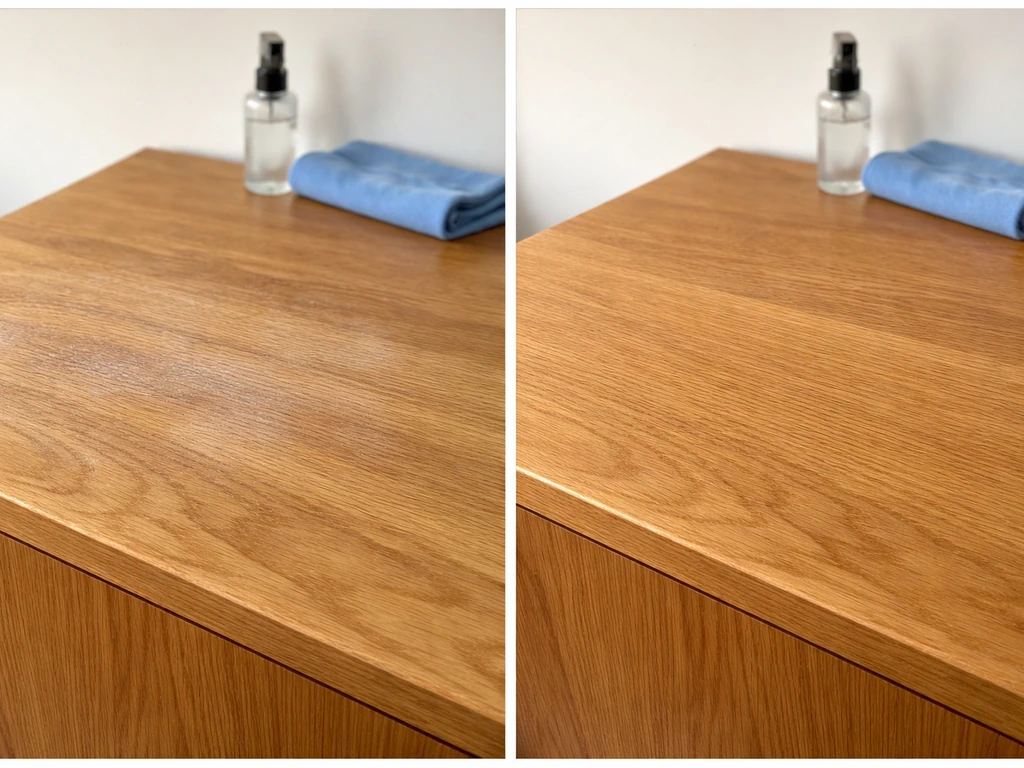
Streaking is usually caused by one of two things: uneven application (missing sections while spraying) or insufficient rinsing. If you see streaks after the surface dries, the fix is a second application with more careful even coverage and a very thorough rinse. Working in smaller sections helps a lot here. Also avoid letting the product dry on the surface before you rinse it, especially in hot weather.
Discoloration on wood is the trickiest issue. Sodium hypochlorite can lighten wood, especially if you leave it on too long. If you accidentally over-dwell on bare wood and it comes out lighter than expected, the options are limited: sanding to remove the surface layer before refinishing, or applying a wood brightener to restore some of the tone. This is exactly why the label says to test an inconspicuous area first, and why cedar and young redwood are off the compatibility list entirely.
Incomplete mold removal on one pass is normal for stubborn infestations. The label allows for a second application, and on heavy black mold buildup on concrete, I usually plan for two rounds anyway. Let the surface dry completely between applications so you can see exactly what's left before reapplying.
Re-growth within a few weeks or months usually means either the rinsing wasn't thorough enough (leaving residual organic material), or the underlying moisture conditions haven't changed. Mold and algae will always come back to shaded, damp surfaces. Improving drainage or trimming overhanging trees does more for long-term prevention than any cleaner. Applying a UV-protective deck sealer after cleaning also helps slow re-growth significantly.
When to stop and switch approaches
If you've done two full applications with proper dwell time and still have significant staining, especially on wood, it's time to either bring in a pressure washer or accept that the staining is structural (deeply penetrated into the wood fibers). At that point, the choice is between pressure washing, light sanding, or in the case of a deck, considering a solid-color deck stain that hides the discoloration rather than trying to remove it.
Buying guide: sizes, cost, and where to get it
The product is widely available at both Home Depot and Lowe's, which means you can pick it up same-day without waiting for shipping. The standard format is the 1-gallon container (FG505M at Lowe's). For most homeowners with a single deck or patio, one gallon is genuinely more than enough for a full clean.
The best value option is the Home Depot 4-pack (model FG505MCS), currently priced at $52.31 for the case, which works out to $13.08 per gallon. If you have multiple areas to clean, or if you plan to do a seasonal clean each year, stocking up at this price makes sense. Individual gallons at Lowe's run in a similar range per unit, but the 4-pack saves you a trip when you inevitably want to do a second application or tackle a fence after the patio.
The hose-end spray version (FG512M) is the most convenient format if your hose reaches the area you're cleaning, as the nozzle switches between CLEAN and RINSE modes without needing to move anything. If your area is far from a hose connection, the pourable gallon format gives you the option of using a pump sprayer instead, though you'll need to ensure the solution doesn't sit in the sprayer longer than needed after use.
At roughly $13 per gallon covering up to 9,000 square feet on smooth surfaces, the cost per use is extremely low for hard patios and fence sections. For wood decking where coverage is more like 1,000 to 2,000 square feet due to absorption, it still works out to well under $0.02 per square foot. That's hard to beat as a seasonal maintenance cost, especially compared to renting a pressure washer or hiring a professional cleaning service.
One final practical note: store the container with the nozzle valve in the OFF position to prevent leaks, and keep it away from direct heat sources. The sodium hypochlorite will degrade in heat and light over time, so if you're storing leftover product for next season, keep it in a cool, dark place and check that the cap is fully sealed.
FAQ
Can I use Mold Armor E-Z Deck Fence & Patio Wash on a deck or fence that has already been sealed or stained?
Yes, generally, as long as the surface is truly sealed (paint, sealant, or solid coating). If the coating is peeling or the wood is not sealed, bleach can react unevenly and leave patchy light spots. Do a small hidden-area test and rinse very thoroughly to avoid lingering residue that can interfere with the next stain or sealer.
Is it safe to apply Mold Armor right after rain or when the surface is damp?
You can apply it when the surface is damp, but results are less predictable if water is pooling or if growth is waterlogged. Heavy moisture can dilute the dwell action and make it harder to see coverage. Aim for a dry-to-moderately-damp surface, then rinse well when the dwell time is up.
How do I prevent plants and grass from getting damaged while using bleach-based deck wash?
Keep landscaping at a distance and wet surrounding plants first so they absorb less chemical. After application, rinse any overspray immediately with clean water. If you see plant stress, do not reapply until you’ve flushed the area and re-evaluated dwell time and coverage.
What water pressure or hose technique works best for rinsing?
A strong garden hose stream is usually enough, but the key is rinsing long enough to remove the bleach solution and any loosened residue. Work from higher areas down, and do a second rinse if you see a chalky feel or stubborn dark patches. Avoid leaving the product to dry before rinsing, especially in heat.
Should I use a pump sprayer instead of the hose-end sprayer?
It can work, but it requires more caution. Mix only what you can use soon, and after spraying, flush the sprayer with clean water right away. Don’t leave bleach sitting in hoses or tanks, since it can degrade and leave inconsistent dosing next time.
Can I combine Mold Armor with other cleaners, like algaecides, rust removers, or acids?
Avoid mixing with other chemicals. Bleach-based products can create dangerous reactions if combined with acids or ammonia-containing cleaners. If you’ve used a different cleaner recently, wait until it’s fully rinsed off and the surface is dry before applying Mold Armor.
Why does algae sometimes come back quickly even after two applications?
Re-growth often indicates the moisture problem was not addressed, not that the cleaner “failed.” Shaded, damp areas, poor drainage, and nearby shade from overhanging branches can drive rapid return. Improving drainage, trimming foliage, and applying a compatible sealer afterward usually makes the difference more than extra dwell time.
Will Mold Armor damage concrete or make it look worse permanently?
It can lighten grout lines or slightly alter the appearance of porous concrete if it’s over-applied or left too long. That’s why testing on an inconspicuous spot matters, and why you should always rinse at the end of the dwell period. If discoloration happens, you may need a brightener or sanding only after the wood or concrete has fully dried and been evaluated.
How do I know whether my staining is “removed” versus just lightened?
After the surface dries fully, reassess color before reapplying. If the growth is gone but the wood remains darker or lighter than surrounding boards, the stain may be embedded. In that case, repeating bleach won’t restore the original tone, and options shift to sanding, wood brightening, or using a cover-up deck stain.
Is it better to use full-strength for stains, or shorter dwell time to protect wood?
For pure killing of mold, the longer dwell is important. For stains on wood, a shorter dwell (around the lower end of the manufacturer’s guidance) often reduces the chance of lightening. If you’re unsure, do two test sections with different dwell times, then pick the shortest time that achieves acceptable results on your specific wood.
What should I do if I accidentally let the product sit too long or dries on the surface?
If it dries, rinse immediately and thoroughly, then wait for full drying before judging results. If wood appears lighter, you may need a wood brightener or sanding before refinishing. To avoid repeats, work in smaller sections and rinse on schedule, especially during hot, sunny weather.
How long should I wait after rinsing before sealing or painting?
Let the surface dry completely first. In practice, that usually means waiting at least 24 hours (longer if humidity is high or the surface is still damp), then check that the surface is ready to accept coating by ensuring there is no slick residue or visible bleach film. If in doubt, a simple water droplet test can help, the surface should not repel water.
Next Article
Clorox Patio and Deck Cleaner Reviews: What to Expect
Real Clorox patio and deck cleaner reviews on algae, mold, mildew, stains, safety, prep, dilution, and when to switch