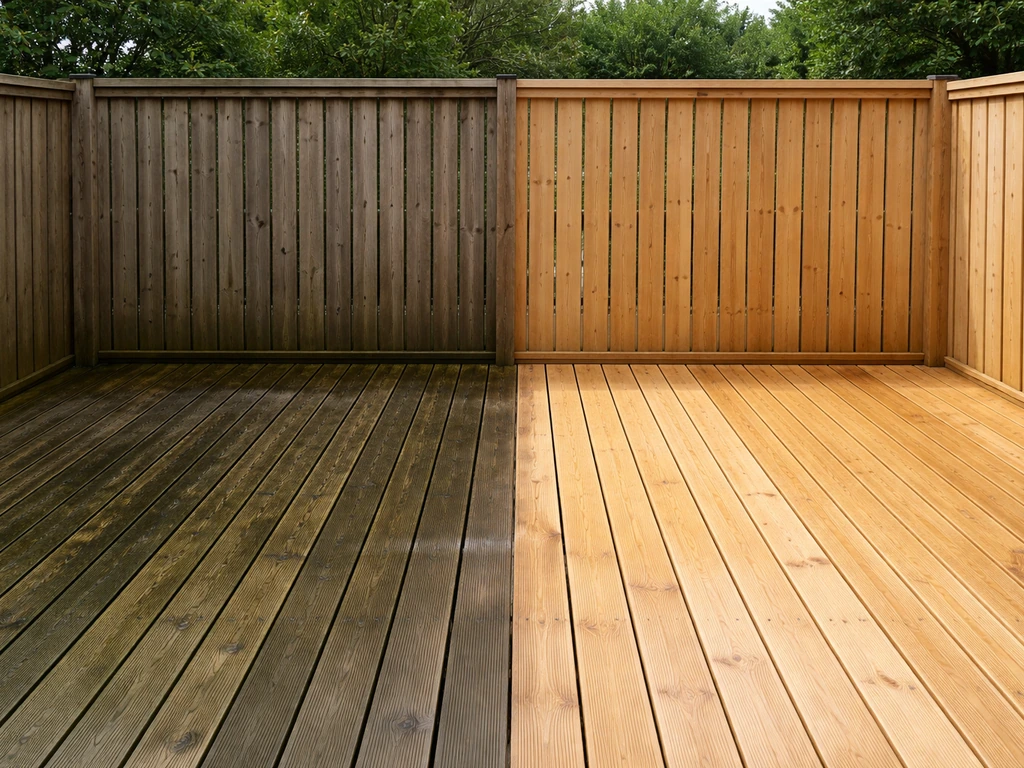
If you have the Scotts Outdoor Cleaner Patio & Deck with ZeroScrub Technology Concentrate (model 51072-1), the workflow is simple: sweep the surface, dilute the concentrate per the label, spray until fully saturated, and walk away. Mold, mildew, algae, and moss stains start disappearing in as little as 24 hours with no scrubbing or power washing needed. That said, there are a few things worth knowing before you grab the sprayer, like confirming you have the right product, prepping the area properly, and adjusting your approach based on what you're cleaning.
Scotts Outdoor Cleaner Patio and Deck Instructions Guide

Rhea Lang
29 Apr 2026
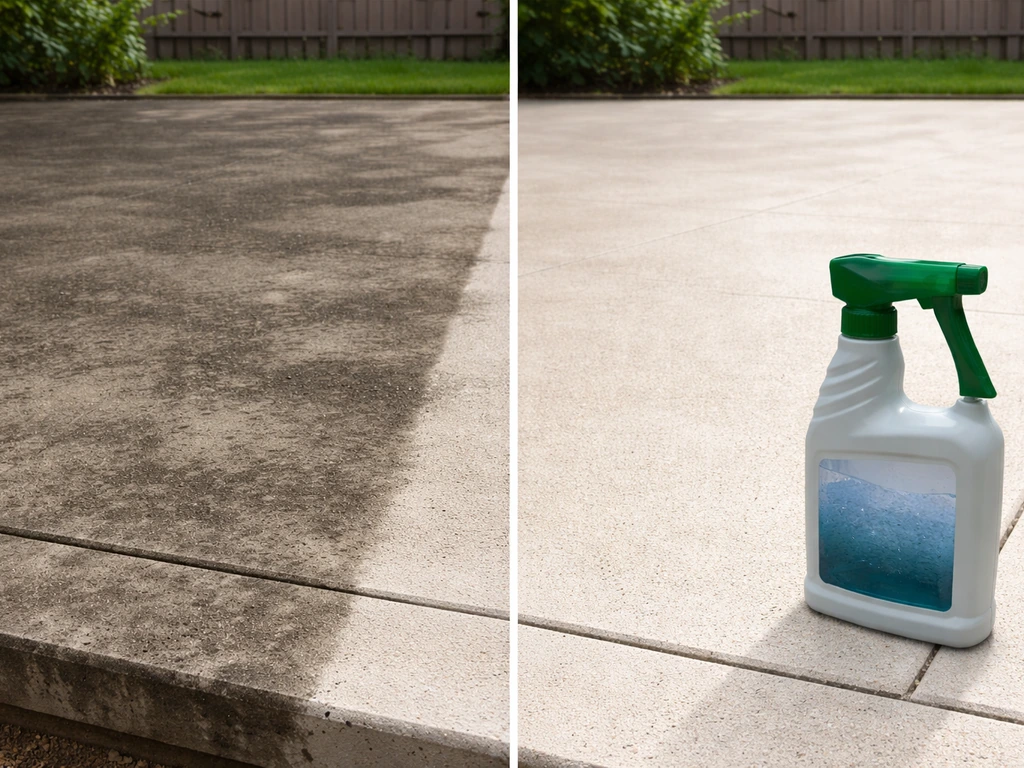
Make sure you have the right Scotts product first
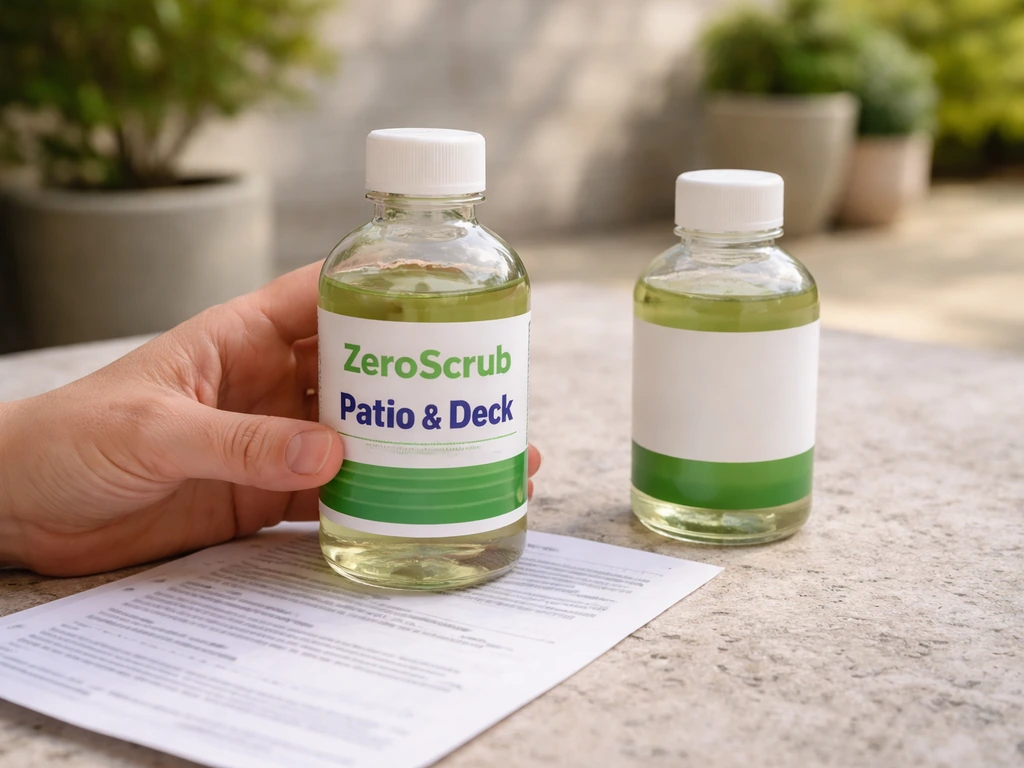
Scotts makes more than one outdoor cleaner, and this matters because the instructions are different depending on which one you have. The product covered here is specifically the Scotts Outdoor Cleaner Patio & Deck with ZeroScrub Technology Concentrate, SKU 51072-1, sold as a 1-gallon concentrate. It's the one that genuinely lets you spray and walk away.
Scotts also makes a Multi-Purpose Formula (sometimes bundled with OxiClean) that uses a fast-foaming action and requires you to apply, scrub, and rinse, that's a completely different workflow. If you follow the zero-scrub method with the wrong product, you won't get great results. Check your bottle. If it says 'ZeroScrub Technology' and it's the concentrate form, you're in the right place. If you have something else, follow the directions on that specific label.
The ZeroScrub concentrate is designed to remove stains from moss, mold, mildew, and algae. It's not a degreaser and it's not built for oil, rust, or tire marks. For general organic growth stains on a patio or deck that's gone green and grimy, this is the right tool.
Prep your space before you open the bottle
Good prep makes a real difference in how even and clean your results look. I've rushed this step before and ended up with patchy areas I had to go back and redo.
- Clear the surface completely. Move furniture, planters, rugs, and any decorative items off the patio or deck. You want full access to the surface.
- Sweep or blow off loose debris. Use a stiff broom or leaf blower to remove dirt, leaves, and loose organic matter. The cleaner works on stains bonded to the surface, not on piles of dirt sitting on top of it.
- Pre-wet surrounding plants and grass. The SDS for this product flags that runoff should be kept away from soil, waterways, drains, and sewers. Before you apply, give the surrounding lawn and plant beds a good soaking with plain water. This dilutes any product that drifts or runs off, reducing the risk of damage.
- Cover or mask sensitive nearby materials. If you have metal edging, painted surfaces, or porous natural stone right next to the treatment area, either mask them off or be prepared to rinse them immediately if product lands on them.
- Pre-wet the surface itself if it's very hot or in direct sun. This slows down how fast the product dries out before it can do its job. On a cool overcast day, skip this step.
Dilution: don't skip the label
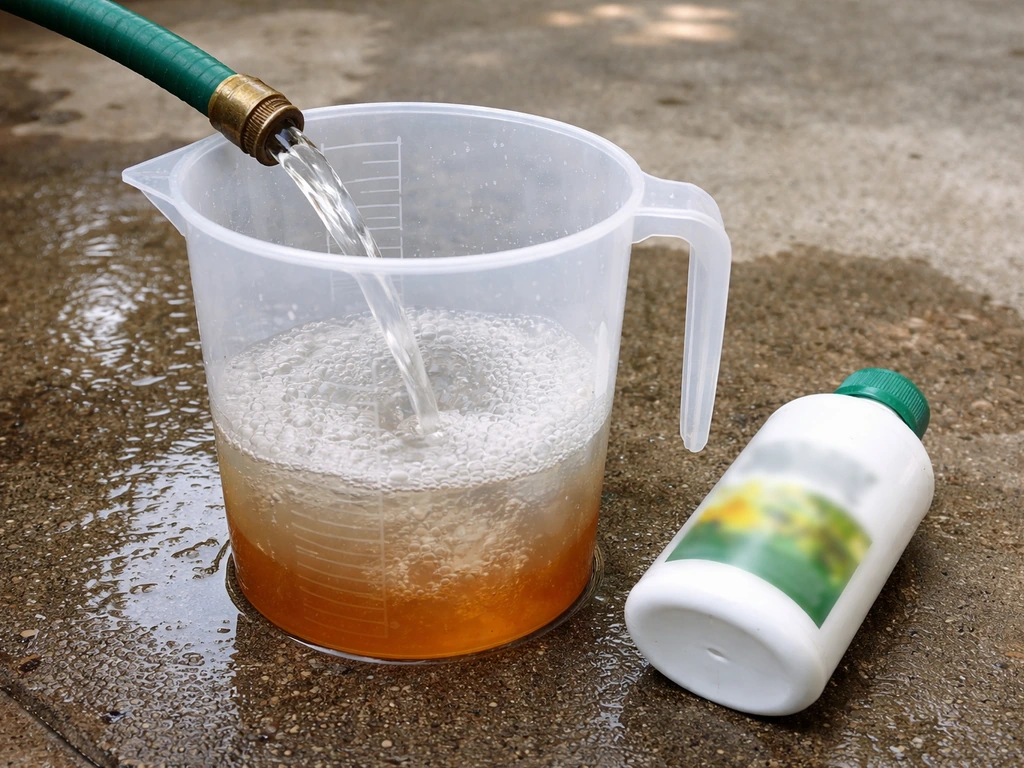
The ZeroScrub Patio & Deck product is a concentrate, which means you need to dilute it before applying. The exact ratio is on the label and can vary by surface and stain level, so follow those instructions precisely. Using it undiluted won't speed things up and risks leaving residue or affecting the surface finish. Mix in a garden sprayer and shake or stir gently to combine.
Applying the cleaner: zero scrub vs. when you need to scrub
For the ZeroScrub concentrate, the official method is spray-and-walk-away. Spray the diluted solution evenly over the surface until it's fully saturated, you want the whole area visibly wet, not just lightly misted. Then leave it. Don't rinse immediately. The product works as it dries, breaking down the organic growth over the following 24 hours. Stains don't vanish instantly; they fade over time as the chemistry does its work.
That said, there are situations where light scrubbing still helps, even with ZeroScrub. If you have thick, built-up moss (not just a stain, but actual raised growth), a quick pass with a stiff deck brush before applying the product will break up the bulk of the material and let the cleaner penetrate to the surface underneath. I wouldn't call it necessary for light algae or mildew discoloration, but for a heavily colonized surface, a quick brush first is worth it.
Apply in sections if you have a large area, working from one end to the other. Overlap your spray passes slightly to avoid missed strips. Try to apply on a dry day when no rain is forecast for at least 24 hours, and avoid applying in full blazing midday sun when the product will dry out too quickly before it can work.
Dwell time, rinsing, and what to expect as it dries
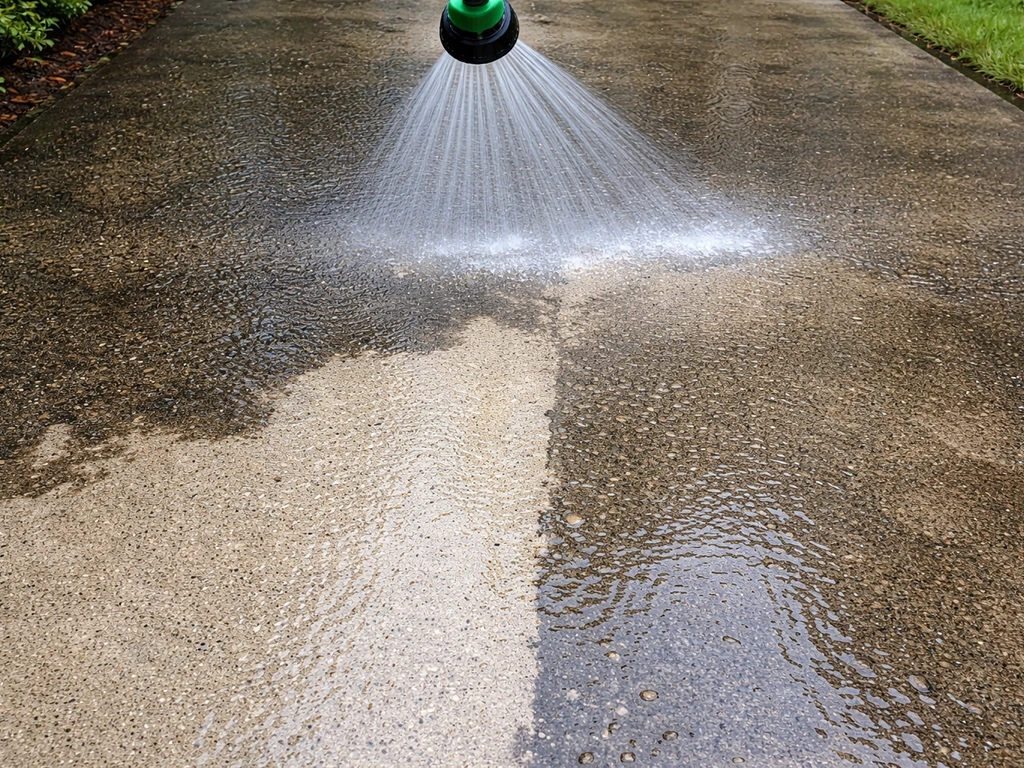
Once you've applied the product, the dwell period is where the work actually happens. According to Scotts, mold, mildew, and algae stains start disappearing in as little as 24 hours. In real-world conditions, lighter staining on concrete or smooth surfaces often looks noticeably cleaner within a day. Heavier growth on rougher surfaces or in shaded damp spots may take closer to 48 to 72 hours for the full effect to show.
You don't need to rinse immediately after application, and for normal use you don't need to rinse at all, the product is designed to air dry on the surface. If you want to do a rinse after the dwell period (especially on decks where kids or pets use the surface), a simple rinse with a garden hose is fine. Avoid power washing right after application as it can wash off the product before it's finished working.
After rinsing (or after it air dries if you skip the rinse), give the surface time to dry fully before putting furniture back. On a warm dry day, that's usually a few hours. In cool or damp conditions, wait until the following day.
Adjusting for your specific surface
The ZeroScrub concentrate is broadly compatible with most common outdoor surfaces, but there are meaningful differences in how you should apply it and what to watch for depending on what you're working with.
| Surface | Key considerations | Adjustments to make |
|---|---|---|
| Concrete (plain or brushed) | Generally forgiving; handles most dilutions well | Standard dilution and spray-walk-away method works well. Pre-wet in hot weather. |
| Concrete pavers | Joints can trap organic matter; product penetrates well | Pay attention to saturating joint areas. Expect some variation in drying speed. |
| Brick | Porous surface; absorbs product readily | Standard dilution fine. Avoid heavy oversaturation that pools at the base. |
| Natural stone (sandstone, limestone) | Very porous and can be sensitive to harsh chemicals | Test a small inconspicuous area first. Rinse off after the dwell period rather than leaving to air dry, to reduce absorption. |
| Slate or porcelain pavers | Less porous; product sits on surface longer | Standard dilution. Rinse well after dwell time to avoid any residue on the smooth surface. |
| Timber decking (treated pine, hardwood) | Grain and texture can hold organic growth | Brush off loose growth first. Spray along the grain. Check the label confirms deck use — ZeroScrub concentrate is marketed for decks, but always verify for your specific wood species. |
| Composite decking | Less porous than timber; smooth surface | Use standard dilution. Avoid leaving product sitting in pools on the surface. Rinse after dwell time. |
The one surface I'd be most careful with is porous natural stone like sandstone or unsealed limestone. These materials can absorb cleaning products deeply, and while the ZeroScrub formula is not as aggressive as acid-based cleaners, I'd still do a spot test in a hidden area and rinse thoroughly after the dwell period rather than letting it air dry fully into the stone.
What to do when results aren't perfect
Stains not lifting after 24 to 48 hours
If the surface looks largely unchanged after 48 hours, the most common cause is insufficient saturation during application. The product needs full, even contact with the stained surface to work. Try a second application, this time making sure you really drench the area rather than lightly misting it. On a rough or heavily textured surface like exposed aggregate, you may need to apply more product to get proper penetration.
Streaking or uneven results
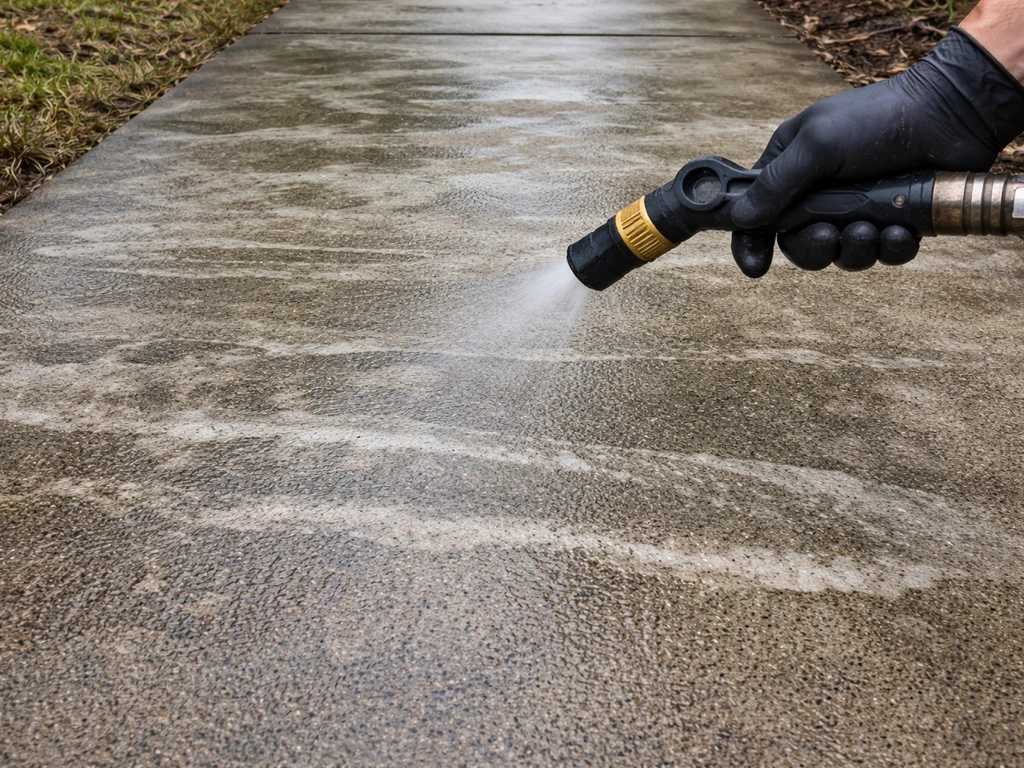
Streaking usually comes from uneven application, some areas get more product than others. On your next pass, work in overlapping parallel rows and try to keep the sprayer at a consistent distance from the surface. If you're using a pump sprayer with a fan nozzle, that gives you much more even coverage than a stream setting. Also check that you're mixing the concentrate properly, if the dilution is off, some areas may get a stronger solution than others.
Algae or mold not clearing despite repeat treatment
Thick or deeply embedded growth, especially black mold or established moss on a very porous surface, sometimes needs a bit of physical intervention even with a no-scrub product. Brush away as much of the surface growth as you can with a stiff brush, then apply the ZeroScrub product to the remaining staining. For persistent black algae on concrete, a second treatment after 3 to 5 days often clears what the first treatment loosened but didn't fully remove.
Discoloration or residue after drying
If you notice a white haze or residue after the product dries, a thorough rinse with a garden hose usually clears it. This is more common on smooth, low-absorption surfaces like porcelain or slate where the product doesn't soak in and instead dries on top. It's not damage to the surface, just residue. On concrete, any minor residue typically washes away with the next rainfall anyway.
Staying safe and keeping the results for longer
PPE and handling
The SDS for this product classifies it as a flammable liquid with eye and skin hazard potential. Wear chemical-resistant gloves and safety glasses any time you're mixing or applying the concentrate. If you get product in your eyes, flush immediately with plenty of water, lift the eyelids, and rinse continuously for at least 10 minutes. If irritation persists, seek medical advice. Work in a well-ventilated area and avoid breathing in spray mist directly.
Pets, kids, and re-entry
Keep children and pets off the treated surface until it's fully dry. If you're skipping the rinse step and letting it air dry, that means waiting until the surface is completely dry to the touch, which on a warm day is a few hours. If you're concerned about pets who walk on the surface and then lick their paws, do a thorough hose rinse after the dwell period and let the surface dry completely before allowing access.
What to avoid
- Don't mix the ZeroScrub concentrate with bleach or other cleaning chemicals. Stick to the dilution instructions on the label using water only.
- Avoid applying near drains, water features, or areas where runoff drains directly into waterways or sewers. The SDS specifically flags this as an environmental precaution.
- Don't apply on surfaces that are about to get rained on — rain within a few hours of application washes the product off before it can work.
- Avoid applying in freezing temperatures, as the product won't be effective and may not dry properly.
Keeping the patio clean after treatment
The ZeroScrub treatment doesn't seal the surface or create a permanent barrier against regrowth. In damp, shaded environments, algae and moss will come back eventually. A yearly treatment at the start of spring, before organic growth gets a foothold, keeps things manageable with much less effort than trying to clear a heavily colonized surface in one go. Improving drainage and trimming back overhanging plants that keep the patio in constant shade also makes a big difference in how quickly growth returns.
If you're comparing Scotts ZeroScrub against other patio cleaners in the same category, it's worth knowing that products like Clorox Patio & Deck Cleaner and Mold Armor EZ Deck, Fence & Patio Wash take similar approaches but with different active ingredient profiles and dilution requirements. The zero-scrub spray-and-leave method is a genuine convenience for routine maintenance cleaning, but for deeply ingrained staining on heavily trafficked surfaces, any of these products may benefit from some light mechanical help. If you are looking specifically for customer impressions, scotts patio and deck zero scrub reviews can help you gauge real-world results before you buy. If you're also curious about how other options compare, Windex outdoor glass and patio cleaner reviews can give you a better sense of performance and customer experience.
FAQ
I have a Scotts patio cleaner, but not sure it is the exact ZeroScrub concentrate. How can I tell before I start?
Do a quick product check: the ZeroScrub method in the guide is for the Patio & Deck with ZeroScrub Technology Concentrate (SKU 51072-1). If your bottle says a different formula or requires scrubbing and rinsing, follow that label instead, since results will be inconsistent if you swap workflows.
What should I do if the stains are still there after 48 hours?
You still need to keep the surface evenly wet. If you see only dry patches after spraying or the color change is spotty, you likely under-saturated. Reapply in overlapping sections, aiming for full saturation rather than a light mist, especially on rough textures like exposed aggregate.
Can I use Scotts ZeroScrub concentrate stronger (less dilution) to make it work faster?
Avoid using undiluted concentrate. Mix the concentrate to the label ratio in a garden sprayer, then apply from one end to the other in overlapping rows. Over-concentrating can increase the chance of white residue and uneven results without speeding up stain removal.
If I’m worried about kids or pets, should I rinse immediately or can I rinse later?
Yes, but only after the product’s dwell period. If you want to rinse for safety or appearance, wait until the 24 to 48 hour treatment window has passed (depending on stain severity), then hose rinse and let it dry fully before use.
How long should I wait before putting furniture back, and does it change on decks?
For decks, plan to work when you can keep people off the surface until it is fully dry. In cool or damp weather, drying can run into the next day. If you skip rinsing, the “dry to touch” point is when you can safely allow traffic.
Why do I keep getting worse results when I power wash after applying patio cleaners?
In most cases you should not power wash right after applying. Power washing immediately can remove the chemical before it has time to work as it dries. If the growth is heavy, do a second spray-and-walk-away treatment after 3 to 5 days rather than rushing to pressure washing.
Is it safe to use ZeroScrub on sandstone, limestone, or other porous natural stone?
For porous natural stone, do a spot test in a hidden area first. If you try it on sandstone or unsealed limestone, rinse thoroughly after the dwell period instead of letting it air dry fully into the stone to reduce the risk of product uptake or lingering residue.
My deck looks streaky after treatment. What causes that and how do I prevent it next time?
Streaking usually comes from uneven coverage, not the chemistry itself. Use a fan nozzle on a pump sprayer or keep the sprayer distance consistent, then apply in overlapping parallel passes so no strips get missed.
What should I do if I see a white haze or residue after ZeroScrub dries?
If you notice a white haze or residue after drying, a thorough garden hose rinse typically removes it, especially on low-absorption surfaces like porcelain or slate. On concrete, minor residue usually clears with the next rainfall.
Does “no-scrub” mean I can never brush, especially if there is thick moss?
Yes. If you have thick, raised moss, brush off the bulk first, then apply ZeroScrub to the remaining staining. This improves penetration and helps the cleaner reach what is left after the physical removal.
How do I keep moss and algae from coming back so fast?
Regrowth happens, especially in damp, shaded areas. A practical maintenance approach is an annual spring treatment before the growth takes hold, and also fix contributing conditions like poor drainage and heavy shade from overhanging plants.
I used it, but the surface barely changed. Is it the dilution, the coverage, or the weather?
If the surface looks largely unchanged, the two most common causes are under-saturation and timing. Make sure you drench evenly, then keep the surface from raining on for at least 24 hours. Rough or textured surfaces often need more product for penetration.
If I rinse after application, can I still re-treat the same area later?
If you already rinsed and the area still has patches, wait a full day and look again before reapplying. For persistent black algae on concrete, a second treatment after 3 to 5 days often clears what the first loosens.
Does the application method change depending on whether the patio is smooth concrete vs. textured surfaces?
Yes, but match the approach to the surface. On rough, heavily textured areas, expect to apply enough product to soak in between crevices. On smooth surfaces, avoid lightly misting, since residue and streaking are more noticeable when it dries on top.
What PPE and first-aid steps should I plan for before using this patio cleaner concentrate?
Use chemical-resistant gloves and safety glasses, mix and apply in well-ventilated conditions, and keep eyes protected during spraying. If product gets into eyes, flush continuously for at least 10 minutes, then seek medical advice if irritation continues.
Next Article
Mold Armor E-Z Deck Fence & Patio Wash Reviews and How-To
Honest Mold Armor E-Z Deck Fence & Patio Wash reviews plus prep, application, dwell time, rinse, and fixes for streaks a