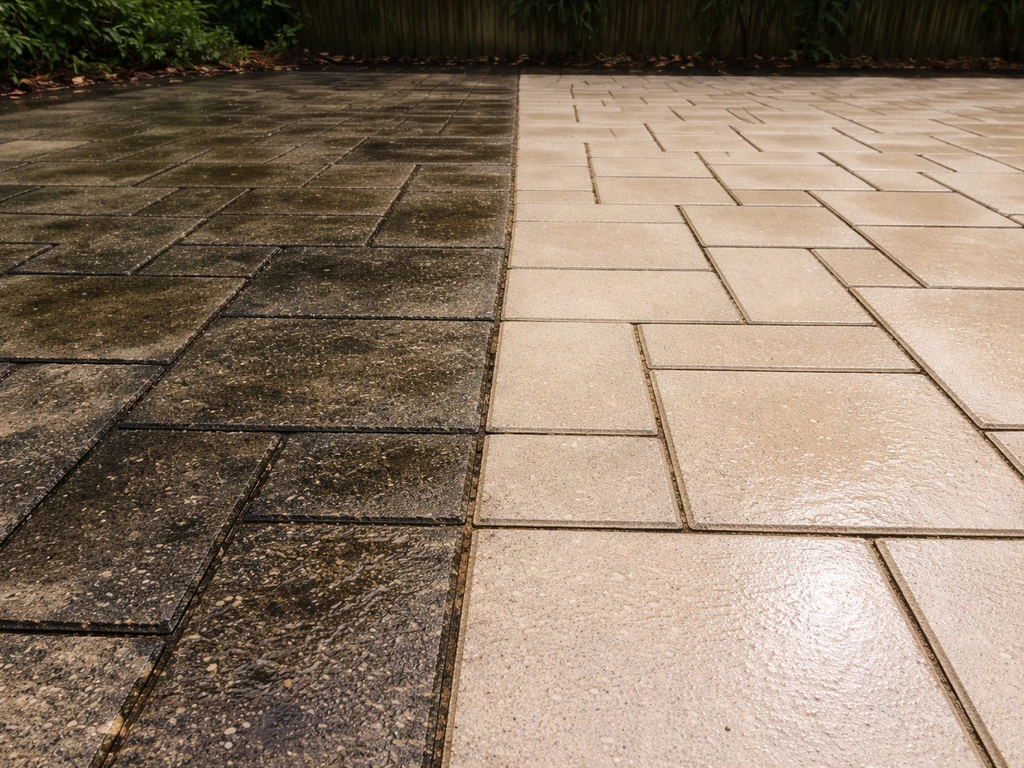
Yes, you can use Wet & Forget on patio umbrellas, and the manufacturer actually recommends it specifically for outdoor umbrella fabric. It works well on the typical polyester or acrylic canvas tops you find on most garden umbrellas, handling mildew, green algae, and black mold stains without bleach, scrubbing, or pressure washing. That said, there are a few materials and situations where you need to be careful, and the process is slightly different from treating a hard patio surface, so it's worth knowing exactly what you're doing before you spray.
Can You Use Wet and Forget on Patio Umbrellas?
Rhea Lang
29 Apr 2026

What Wet & Forget is and how it works
Wet & Forget Outdoor is a no-scrub, bleach-free cleaner built around an active ingredient called alkyl dimethyl benzyl ammonium chloride, a quaternary ammonium compound that kills the biological growth causing stains rather than bleaching the surface. You apply it, leave it, and then wind and rain do the cleanup work over time. There's no rinsing required in most cases, no scrubbing, and no pressure washer needed.
The timeline is the thing that surprises most people. Green algae stains typically fade within a few days to a few weeks. Darker mold or mildew stains can take a month to several months to clear. If you've got heavy, long-term black staining that's been building up for years, worst-case scenario you could be waiting 6 to 12 months for the full result. That's not a flaw in the product, it's just how this chemistry works: it kills the organism and then natural weathering breaks it down gradually. The upside is that it's genuinely gentle on surfaces and coatings compared to bleach-based alternatives, which is exactly why it makes sense for umbrella fabric.
The Concentrate is mixed at 1 part Wet & Forget to 5 parts water in a garden sprayer (1 gallon of concentrate gives you 6 gallons of working solution). There's also a Ready-to-Use version that comes pre-diluted, which is more convenient for smaller jobs like a single umbrella.
Is it safe to use on patio umbrellas?
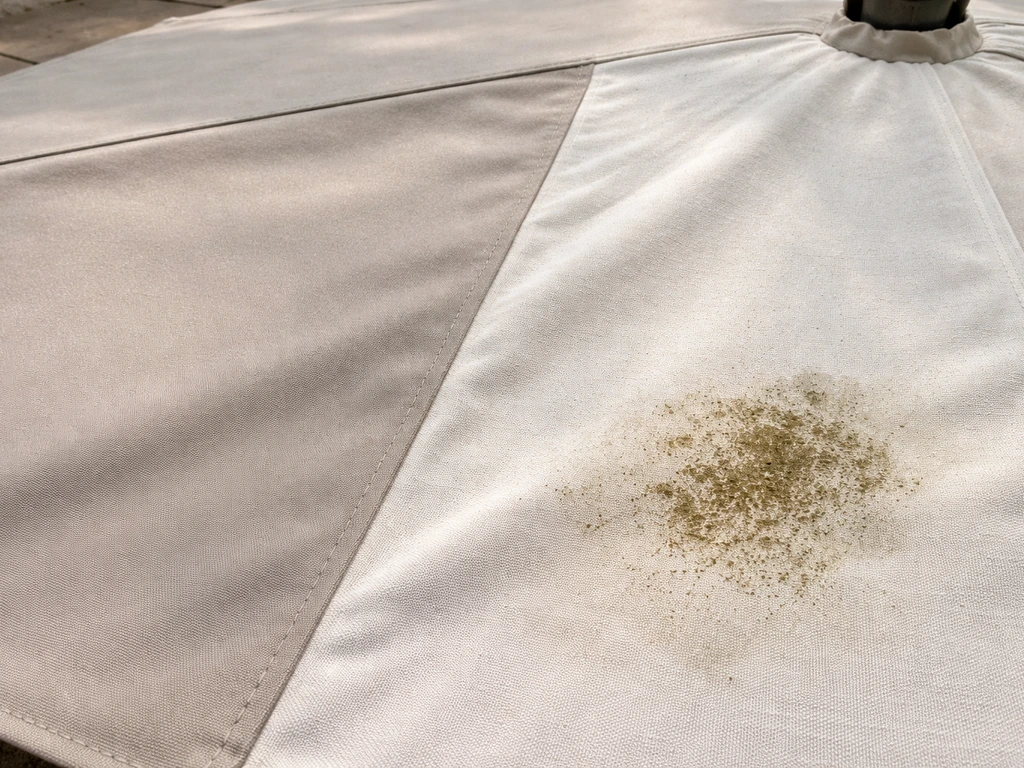
For most standard patio umbrellas, yes. The manufacturer explicitly lists patio umbrellas, canvas awnings, fabric, and patio furniture as intended surfaces. It's non-acidic, contains no bleach, and won't actively attack the UV-protective or water-repellent coatings that most outdoor umbrella fabrics rely on. Bleach will strip those coatings and fade the colour, and a pressure washer can physically tear fabric away from the frame. Wet & Forget avoids both problems.
Where it gets more nuanced is when you look at less common umbrella materials and components. Here's how different parts of a typical patio umbrella break down:
| Material / Component | Safe to Use? | Notes |
|---|---|---|
| Polyester or acrylic fabric (standard) | Yes | The primary intended use case. Saturate thoroughly. |
| Canvas with water-repellent coating | Yes, with care | Avoid harsh scrubbing after application; let it work passively. |
| Solution-dyed acrylic (e.g., Sunbrella-type) | Yes | These fabrics handle it well. Manufacturer explicitly includes canvas awnings. |
| Clear vinyl panels / PVC windows | Use caution | Can cause hazing or cloudiness on clear vinyl; test a small hidden area first. |
| Painted or powder-coated metal ribs | Generally fine | Non-acidic formula is low risk, but avoid heavy pooling on chipped/bare metal. |
| Wooden pole or hardware | Yes, with care | Treat like any outdoor timber; avoid oversaturation that could cause swelling or staining. |
| Plastic crank, tilt mechanisms | Yes | No compatibility issues reported; rinse off mechanical parts if concerned. |
| Delicate or chemically-treated specialist fabrics | Check manufacturer first | Some technical outdoor fabrics have specific care requirements. Test first. |
The one area I'd be cautious about is any umbrella with clear vinyl side panels. I've seen Wet & Forget cause a mild haze on clear vinyl if it's left to sit without rinsing, so always test a small, hidden patch if your umbrella has those.
How to apply Wet & Forget to your umbrella properly
The manufacturer gives a specific procedure for patio umbrellas with non-removable fabric tops, and it's a bit different from treating a deck or path. Wet & Forget also recommends spraying patio umbrellas with blank" rel="noopener noreferrer">non-removable fabric tops on a windless, dry day with no rain forecast, then leaving it open so the treatment can work over time. Follow this order and you'll avoid the most common mistakes. If you're also wondering how to use Wet & Forget patio cleaner on a hard surface, the basic spray-and-leave routine is similar Follow this order.
- Pick your conditions: apply on a cool, dry, windless day with no rain forecast for at least 4 to 5 hours. Best temperature range is above 32°F (0°C) and below 80°F (27°C). Hot days cause the solution to evaporate before it can penetrate the fabric properly.
- Move the umbrella to a shaded area: direct sun speeds up evaporation and reduces dwell time. Shade keeps the surface cooler and lets the solution soak in.
- Open the umbrella fully: you need access to the whole canopy, top and underside.
- Clear loose debris first: use a soft-bristle brush or a leaf blower to knock off any loose dirt, leaves, or dry debris. Don't wet the fabric beforehand.
- Protect nearby plants and surfaces: cover any landscaping underneath or rinse the soil around the umbrella with water before you spray. Wet & Forget should not go directly onto plants.
- Mix your solution (if using Concentrate): 1 part Wet & Forget to 5 parts water in a garden pump sprayer. If using Ready-to-Use, it's good to go straight from the bottle.
- Spray until thoroughly saturated: cover the fabric evenly from top to bottom, including the edges and any areas with visible mildew or green staining. You want the fabric genuinely wet, not just misted.
- Deal with the underside separately: the top of the umbrella gets cleaned by rain over time, but the underside rarely does. If there's staining on the underside, apply the solution there too, then rinse that underside weekly with plain water until the staining clears. Rain won't do this job for you on the underside.
- Leave the umbrella open overnight to dry: don't close or fold it up while wet.
- Return it to its original spot the next day and leave it open in the sun to finish drying completely before you close it.
One thing worth flagging on personal protective equipment: the SDS classifies Wet & Forget as causing serious eye irritation and mild skin irritation. Wear safety glasses or goggles when spraying (especially overhead onto an umbrella canopy where overspray is likely) and wear gloves. If it gets in your eyes, flush with plenty of water for at least 15 minutes and get medical attention. The Extreme Reach hose-end variant carries even stronger corrosive hazard warnings, so treat all formats with respect.
Risks, limitations, and when not to use it
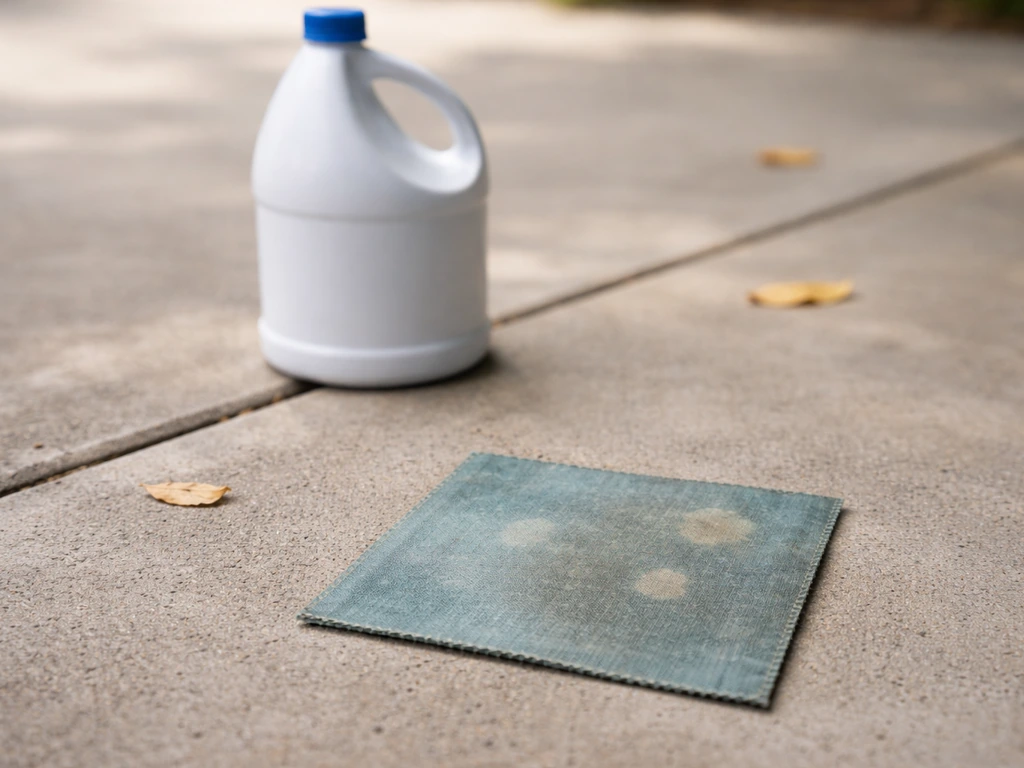
Wet & Forget is about as gentle as outdoor cleaners get, but it's not completely without limitations when you're applying it to fabric rather than hard surfaces.
- It won't remove general dirt, grease, or non-biological stains. This is a biological growth killer (mold, mildew, algae, moss), not a general fabric cleaner. Bird droppings, food stains, or sunscreen marks need a different approach.
- It's slow. If your umbrella is heavily stained with black mold and you need it looking clean for an event next weekend, Wet & Forget will not solve that in time. It can take months for dark stains to fully clear.
- Clear vinyl panels are a risk. As mentioned, hazing is possible. Test first and rinse promptly if you do treat vinyl.
- Delicate, specialist, or chemically-treated fabrics may react unexpectedly. If your umbrella fabric has specific care instructions that prohibit chemical treatments, follow those first.
- Don't apply before rain or in hot/windy conditions. Rain within 4 to 5 hours washes the product off before it can work. Heat and wind cause evaporation and reduce effectiveness.
- Overspray onto painted walls, furniture, or stone work can cause marks if left to dry. Keep the spray controlled and rinse off any accidental overspray quickly.
- It will not strip heavy built-up grime or clean heavily soiled fabric the way a dedicated fabric cleaner would. For a really dirty umbrella, a pre-clean with warm water and mild soap first, then Wet & Forget for ongoing growth prevention, is a smarter two-step approach.
How long it lasts and keeping things clean
Once applied, Wet & Forget keeps biological growth away for a year or more according to the manufacturer, and in practice that holds up pretty well for umbrella fabric that gets regular rain exposure. The active ingredient keeps working as long as residual chemistry remains on the surface, and rain reactivates and redistributes it over time. An annual maintenance spray in spring (before green algae season ramps up) is the most efficient schedule, and you can repeat at the first sign of new green spots appearing.
For the top of the canopy, rain does the ongoing rinsing and activation work for you. For the underside, you need to step in and do that rinsing yourself on a weekly basis until any staining has cleared, since the underside doesn't get natural weathering. If you tend to close your umbrella and store it for winter, give the fabric a quick inspection when you bring it back out and reapply if you spot any new growth before it gets established.
For spot-cleaning between treatments, a soft cloth with warm water handles surface dust and light grime without disturbing the protective coating or the Wet & Forget residue. Avoid anything abrasive. If a stain is proving stubborn after a couple of months and the fabric is a tough polyester or acrylic type, a gentle warm-water rinse with a very mild soap (diluted dish soap, not a concentrated detergent) can help move things along, but always rinse thoroughly afterward and consider reapplying Wet & Forget once the fabric dries.
What to use instead if Wet & Forget isn't the right fit
If Wet & Forget doesn't suit your situation, the right alternative depends on what material your umbrella has and what kind of stain you're dealing with. Here's how to think through it:
For mildew and algae on standard polyester or acrylic fabric
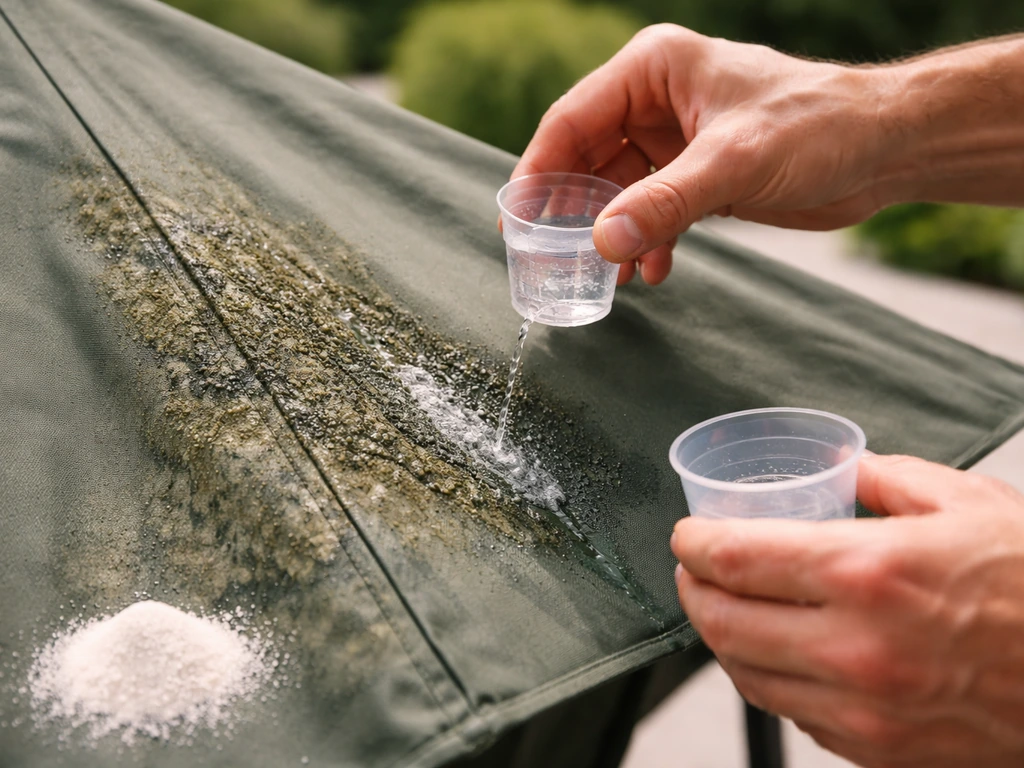
A diluted oxygen bleach solution (sodium percarbonate based, not chlorine bleach) is the most effective DIY option. Mix according to product instructions, apply to the fabric, let it sit for 20 to 30 minutes, then rinse thoroughly with water. It works faster than Wet & Forget for visible results, though it doesn't have the same long-term residual effect, and you need to be careful to rinse completely to protect any water-repellent coating.
For general dirt, grime, and non-biological stains
Mild dish soap diluted in warm water applied with a soft brush is the classic approach. Work gently in the direction of the weave, rinse well, and let the umbrella dry completely before closing. For grease or sunscreen stains specifically, a small amount of a diluted all-purpose cleaner (checking compatibility with your fabric type first) is more effective than any mold-focused product.
For specialty or delicate fabrics
If your umbrella came with specific fabric care instructions, follow them. Many premium outdoor umbrella fabrics (particularly ones with technical breathable coatings) have recommended cleaners from the fabric manufacturer. Using a purpose-made fabric cleaner designed for technical outdoor textiles is safer than any general-purpose solution, including Wet & Forget.
What to avoid regardless of method
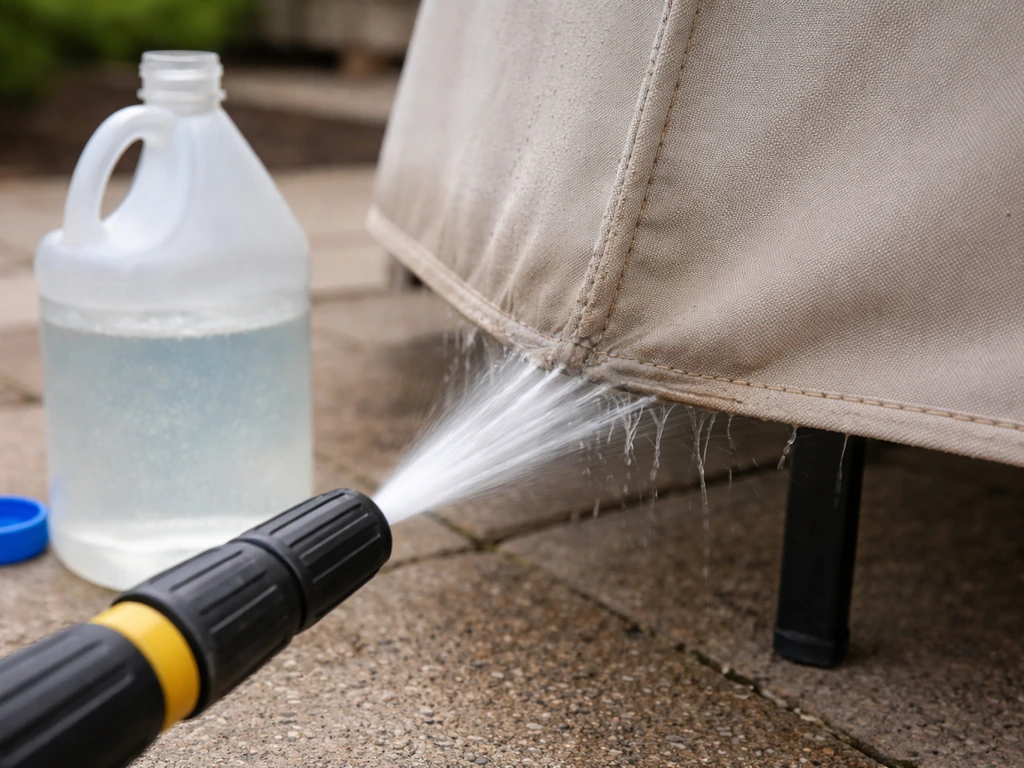
- Chlorine bleach: fades colour and degrades protective coatings on outdoor umbrella fabric.
- Pressure washing: the force can separate stitching, damage fabric, and dislodge the canopy from the frame.
- Abrasive scrubbing: damages the surface weave and strips protective treatments.
- Concentrated detergents: can leave residue that attracts more dirt and weakens coatings over time.
If you're looking at spray-and-leave patio cleaners more broadly, there are several alternatives worth considering alongside Wet & Forget. If you are also comparing Wet & Forget with Patio Magic, it helps to look at the type of stains you have and how each product reacts with umbrella fabric coatings wet and forget vs patio magic. If you want to compare options, you can look at wet and forget patio cleaner reviews to see how people rate results on different stains and umbrella materials. If you want to compare options, it helps to look at spray and leave patio cleaner reviews to see which products work best for your specific stain type and surface spray-and-leave patio cleaners. These Wet & Forget patio cleaner reviews can help you decide if it’s the right spray-and-leave option for your specific stain and patio material Wet and Forget patio cleaner reviews. If you want to decide where to buy the right product for your patio, these Wet and Forget patio cleaner reviews can help you compare availability and results before you spray. Patio Magic is one of the most commonly compared options in the UK market specifically, with a faster action time on hard surfaces. For umbrella fabric though, Wet & Forget's gentler chemistry and its specific guidance for outdoor fabrics puts it ahead of most competing spray-and-leave products, provided you're treating biological growth and not just general dirt. If you’re specifically asking do you have to wash off patio magic, the main takeaway is that you should follow the manufacturer’s directions for rinsing, much like you would with Wet & Forget on umbrella fabric.
FAQ
Do I have to rinse wet and forget off my patio umbrella after it works?
Usually you do not need to rinse the top canopy after applying Wet & Forget on patio umbrellas. The exception is if you notice any residue feel or haze, if you used more concentrate than intended, or if overspray got on nearby clear vinyl or sensitive finishes, in which case a light water rinse is the safer move after the recommended contact window.
Can you use Wet and Forget on patio umbrellas in winter or cold, damp weather?
Yes, it can be effective in cool or humid weather, but the timeline will slow down when temperatures are low or rain is minimal. If there is no wind or rain to help activate and distribute the chemistry, consider waiting longer before judging results and reapply on the fabric according to the schedule rather than scrubbing prematurely.
Should I pre-wet the umbrella fabric before spraying Wet and Forget?
Avoid applying directly to dry fabric that is already fully dirt-caked. A quick pre-wet with plain water helps the solution spread evenly through the weave so it can reach algae and mold. Skipping this step can leave blotchy fading where the cleaner sat on top of heavy surface grime.
Can I use Wet and Forget right after using soap, bleach, or other cleaners on the umbrella?
If you get other cleaners mixed into the same area, results can become unpredictable. Do not combine with chlorine bleach, acids, or any detergent leave-on products. If you recently used soap or an oxygen bleach treatment, rinse and let the umbrella dry fully before Wet & Forget so you do not dilute or deactivate the intended chemistry.
How soon can I close the umbrella after applying Wet and Forget?
For the best outcome, treat when the fabric is accessible, then let it sit undisturbed and allow weathering to do the cleanup. Do not close the umbrella immediately after spraying, because trapped solution and air can increase spotting. For underside treatment, a weekly rinse cycle is important because the underside does not get natural rinsing.
What’s the best way to prevent mildew when my patio umbrella is covered or stored for winter?
If the umbrella is stored closed or tightly covered, you can trap moisture and speed up mildew. Instead, treat before storage, let the fabric dry completely, and during storage use breathable cover material if possible. When you take it out in spring, inspect for new green spots and reapply early.
Is Wet and Forget safe for clear vinyl panels or glossy coated parts on umbrellas?
Test in a hidden spot if your umbrella has clear vinyl side panels or any glossy coated windows. Clear vinyl can develop mild haze if left un-rinsed. Also spot-test any unusual coating fabrics, since aftermarket protectants or dye treatments can react differently than standard polyester or acrylic tops.
Can I spot-clean the umbrella fabric between treatments instead of reapplying Wet and Forget?
For spot cleaning between full treatments, a soft cloth with warm water is usually enough for surface dust. Avoid abrasive sponges and aggressive scrubbing, since they can rough up fabric and disrupt coatings. If you try a mild soap, keep it very diluted and rinse thoroughly after, then let the fabric fully dry before deciding on another Wet & Forget pass.
How do I avoid staining or residue on the frame and trim when spraying the canopy?
For vinyl- or fabric-lined frames, overspray can leave marks if it dries without rinse. Aim the spray downward to reduce overhead drift, and protect nearby trim. If you notice any tinting or residue on trim, rinse promptly with water and dry, rather than waiting for weather to remove it.
What should I do if Wet and Forget doesn’t remove the stains after a few days?
If you see no improvement, the most common reasons are treating general dirt instead of biological growth, applying too weak a mix, or not allowing enough contact time. Another frequent issue is judging too early, since mold and mildew can take weeks to months. Recheck the mix ratio, confirm the stain type, and wait through the expected timeline before deciding on a stronger alternative like oxygen bleach.
What’s the best approach if the umbrella has long-term black mold stains that won’t lift?
If you have heavy black staining, expect a long fade, and avoid pressure washing or bleach. Pressure washing can fray fabric and loosen coatings, and bleach can strip water-repellent or UV protection. If the odor or growth persists after the long timeline, switch strategy to a sodium percarbonate oxygen bleach approach followed by thorough rinsing.
Next Article
How Does Patio Cleaner Work? Mechanisms and Steps to Use It
Learn how patio cleaner works, what chemicals do, and step-by-step use for mold, rust, grease, and each patio surface.