You do not have to wash off Patio Magic. The manufacturer's official instruction is to apply it, let it dry naturally, and leave it. Wet and Forget works differently from Patio Magic, so it helps to compare how each one behaves on algae and moss before you decide which to use leave it. That's the whole method. It's a spray-and-leave biocidal cleaner, not a rinse-off formula, and rinsing it away early actually undermines how it works. The one timing rule that does matter is keeping rain off the treated surface for at least 6 to 8 hours after application, so the active ingredient has time to penetrate the organic growth before being diluted.
Do You Have to Wash Off Patio Magic? Rinse Timing Guide

Rhea Lang
29 Apr 2026
What Patio Magic actually does and why rinsing is usually the wrong move
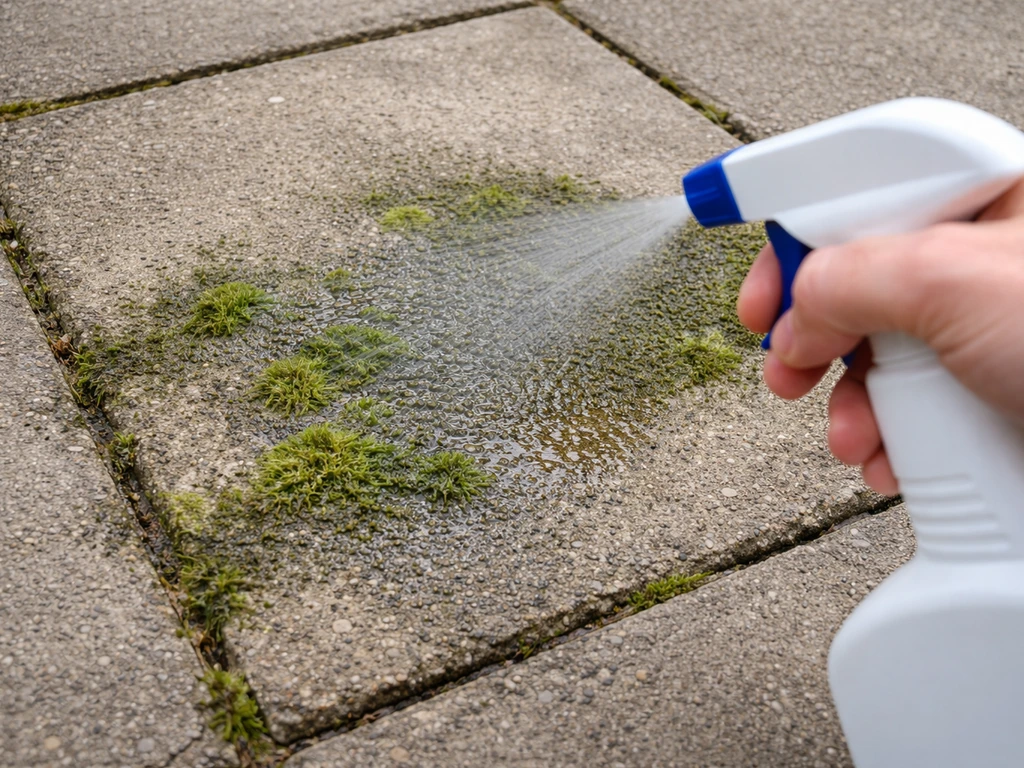
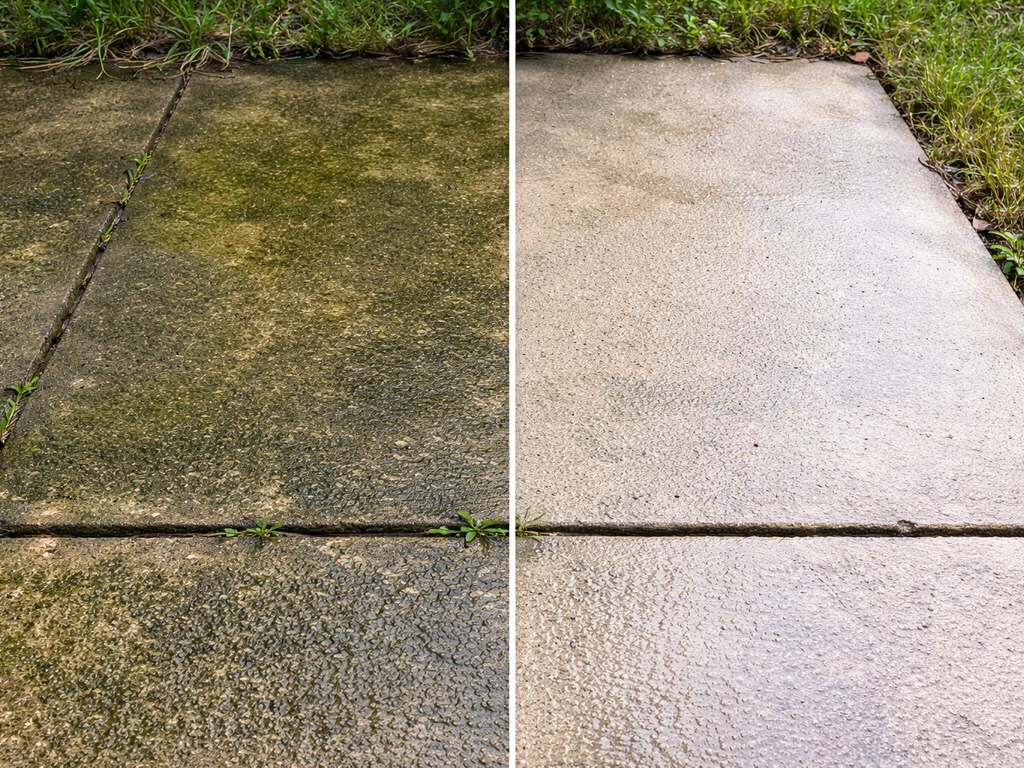
Patio Magic is a biocidal patio cleaner that kills green algae, moss, mould, and lichen using blank" rel="noopener noreferrer">benzalkonium chloride as its active ingredient. You apply it to a dry surface, and it gets to work killing the organic growth at the root. Over the following days and weeks, dead growth gradually lifts, fades, and gets washed away by normal rainfall and weather. The product page describes this honestly: it penetrates and breaks down the growth, then rain and weather do the clearing. This is exactly why the official FAQ says 'do not rinse off.' If you rinse it straight away, you wash away the active ingredient before it has had a chance to do anything useful.
There are two versions to be aware of. The concentrate needs diluting (typically 1:4 with water for heavy growth, up to 1:9 for lighter stuff), then sprayed or brushed onto dry surfaces. The ready-to-use spray comes pre-diluted in a trigger bottle, requires no mixing, and the label specifically says no scrubbing is needed either. Both versions follow the same 'leave it on' principle. Neither product has a required rinse-off step as part of normal application.
The timing that actually matters: drying windows and rain gaps
Because Patio Magic works by drying onto the surface and staying there, the timing you need to manage is about keeping rain away, not about rinsing within a set window. This same spray-and-leave approach is also how you can use Wet and Forget on patio umbrellas without rinsing right away can you use wet and forget on patio umbrellas.
Wet and forget patio cleaner where to buy is a common question as people compare this spray-and-leave style to Patio Magic. The concentrate label says do not apply if rain is expected within 5 to 6 hours. The official FAQ extends this to at least 6 to 8 hours to be safe. The ready-to-use spray label is even more cautious, stating no rain for 24 hours after treatment.
I'd go with the longer window personally, especially in the UK where rain can appear with very little warning. If you're choosing a day to apply, aim for a dry forecast morning with no showers expected until at least the following morning.
As for how quickly you'll see results: the label says Patio Magic kills green mould and algae within typically 2 to 4 days. Visible discolouration and die-off can continue for several days after that. Some stubborn black mould staining may persist even after the growth is dead. Full clearance of dead material, especially heavy moss, can take several weeks of normal weathering. This is not a product where you clean the patio and stand back to admire it that afternoon. It works slowly and steadily, which is the trade-off for zero scrubbing or rinsing effort.
Should you rinse it off at all? What happens if you skip it vs. leave it
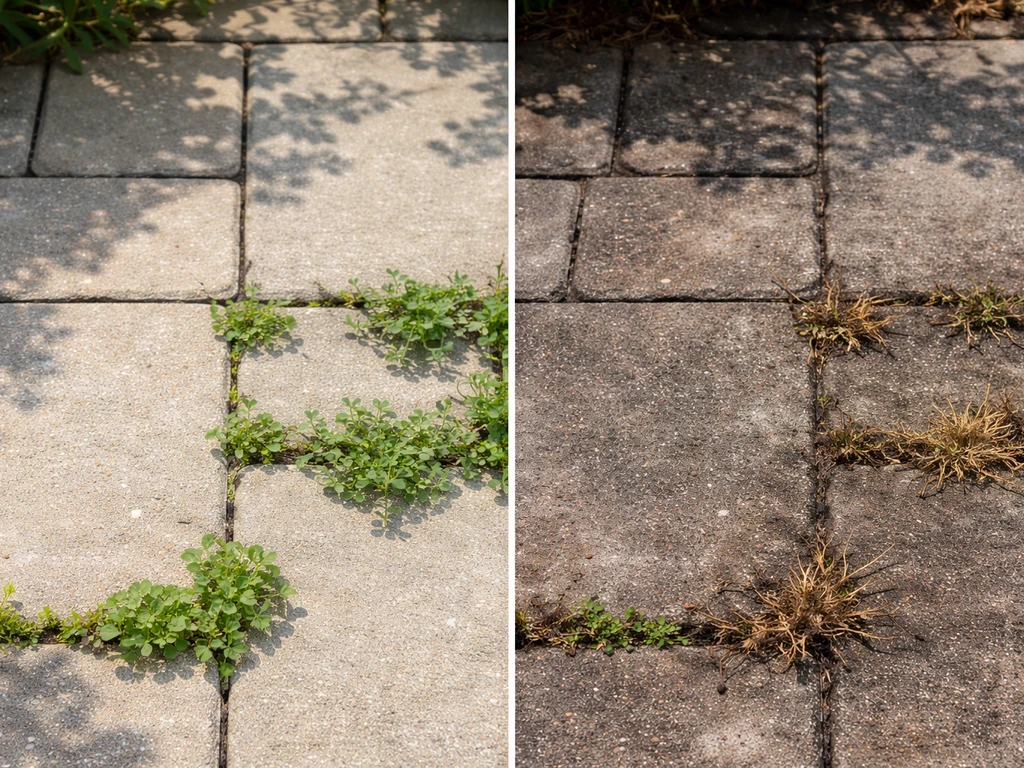
Leaving it on is the intended method, so skipping the rinse is not a problem; it's the plan. The product is described as non-staining and designed to leave no deposits when used at the correct dilution. However, there are a few situations where a rinse does make sense.
- If you applied it too heavily or used too strong a dilution on a sensitive surface, a light rinse after the drying window can reduce the chance of residue or streaks.
- If rain is coming and you want to speed up the natural clearance of dead growth, a gentle hose rinse a few days after application (once the product has had time to work) is fine.
- If you can see a white or cloudy film on the surface after the area has dried, that's likely dried product residue from over-application, and a rinse with a hose or light brush-down will sort it.
- If a pet or person walks across a wet treated area, rinse paws, skin, or footwear with water straight away. The product contains benzalkonium chloride, which is a skin and eye irritant.
The main downside of not rinsing when there is visible residue is cosmetic: streaky marks or a dull film on darker surfaces. There's also a minor slip risk if a thick application has dried into a slick film on smooth surfaces, which is another reason to rinse pooled product off paths and steps. But under normal application and dilution, none of this should be an issue.
If you do need to rinse: hose vs pressure washer and how to do it right
If you're rinsing to remove residue or clear dead growth a few days after application, a garden hose with a decent flow is usually all you need. Work from one end of the patio to the other and direct runoff away from drains, ponds, or planted beds where possible, since benzalkonium chloride has aquatic toxicity. You do not need to scrub; the official FAQ specifically says scrubbing and pressure washing are not required as part of the Patio Magic method.
If you do choose to use a pressure washer to clear dead organic material after the product has worked (which some people do a few weeks in to speed things up), keep the pressure sensible. For most surfaces 80 to 120 bar is enough to lift dead moss and algae without damaging the surface. Use a wide fan tip, not a pencil jet, and keep the nozzle moving. Never pressure wash directly after application; wait until the product has had at least 48 to 72 hours to do its work.
Surface-by-surface guidance
Patio Magic is marketed as safe across a wide range of outdoor surfaces, but some surfaces are more sensitive than others, so it's worth adjusting your approach depending on what you're cleaning.
Concrete
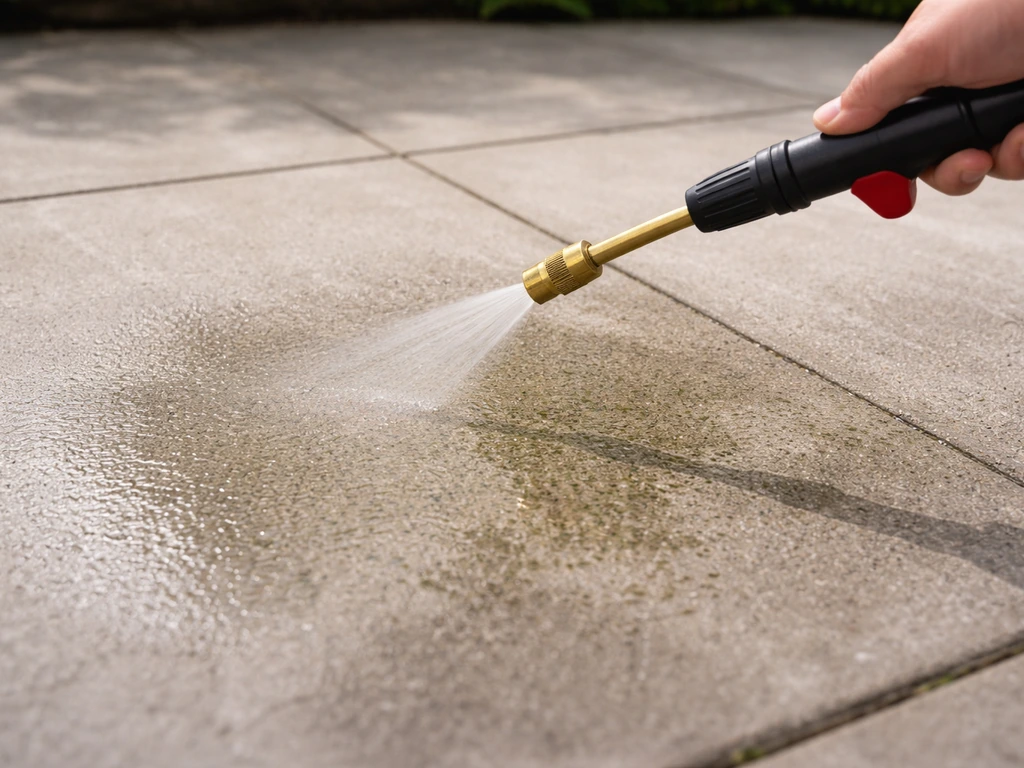
Concrete is the most forgiving surface to use Patio Magic on. Use the standard 1:4 dilution for significant algae or moss, apply evenly, and leave it. Concrete can handle being rinsed or even lightly pressure washed a few days later if you want to speed up the clearing process. Residue streaks on concrete are usually easy to rinse off with a hose.
Brick and natural stone
Brick and most natural stone work well with Patio Magic at the standard dilution. Be slightly more careful around old or reclaimed brick with a soft face, as repeat chemical treatments can gradually erode the surface. If your brick or stone has pointing that's already in poor condition, avoid saturating the joints, and don't follow up with high-pressure washing. A hose rinse a week or so after application is enough to clear the residue.
Sandstone
Sandstone is porous and can absorb product deeply, which is usually fine for killing growth, but it also means residue can sit in the surface longer. Use the more diluted ratio (1:6 or 1:9) for sandstone, especially if it's a lighter colour where staining from the dried product would be visible. Do not pressure wash sandstone after treatment; it's a soft stone that strips easily. A gentle hose rinse a few days after application is all you need.
Slate
Slate can show watermarks and residue more obviously than other surfaces. Apply at a diluted ratio and avoid pooling the product in any low spots. If you see a film after drying, rinse off with a hose before it bakes in during warmer weather. Slate can tolerate gentle pressure washing (keep it under 100 bar and use a wide tip) for clearing dead moss, but it's not necessary if you're happy to wait for rain to do the job.
Porcelain
Porcelain paving is non-porous, so Patio Magic sits on the surface rather than soaking in. This means it works a little faster on porcelain but also means dried residue is more visible if you've over-applied. On polished or semi-polished porcelain, dried product residue can leave a smear. Rinse off with a hose after the drying window if you applied generously, and you'll avoid any cosmetic issues. Porcelain handles pressure washing well, so if you want a thorough clearance after the product has done its work, it's the surface where a pressure washer is most useful.
| Surface | Dilution to use | Rinse needed? | Pressure washing safe? |
|---|---|---|---|
| Concrete | 1:4 (heavy growth) | Not required; hose optional | Yes, 80-120 bar with wide tip |
| Brick / Natural stone | 1:4 | Not required; hose optional | Gentle only; avoid damaged pointing |
| Sandstone | 1:6 to 1:9 | Hose rinse recommended | No — risk of surface damage |
| Slate | 1:6 to 1:9 | Hose rinse if residue visible | Light only, under 100 bar |
| Porcelain | 1:4 to 1:6 | Hose rinse recommended | Yes, handles it well |
What to do if you missed the timing or have residue and streaks
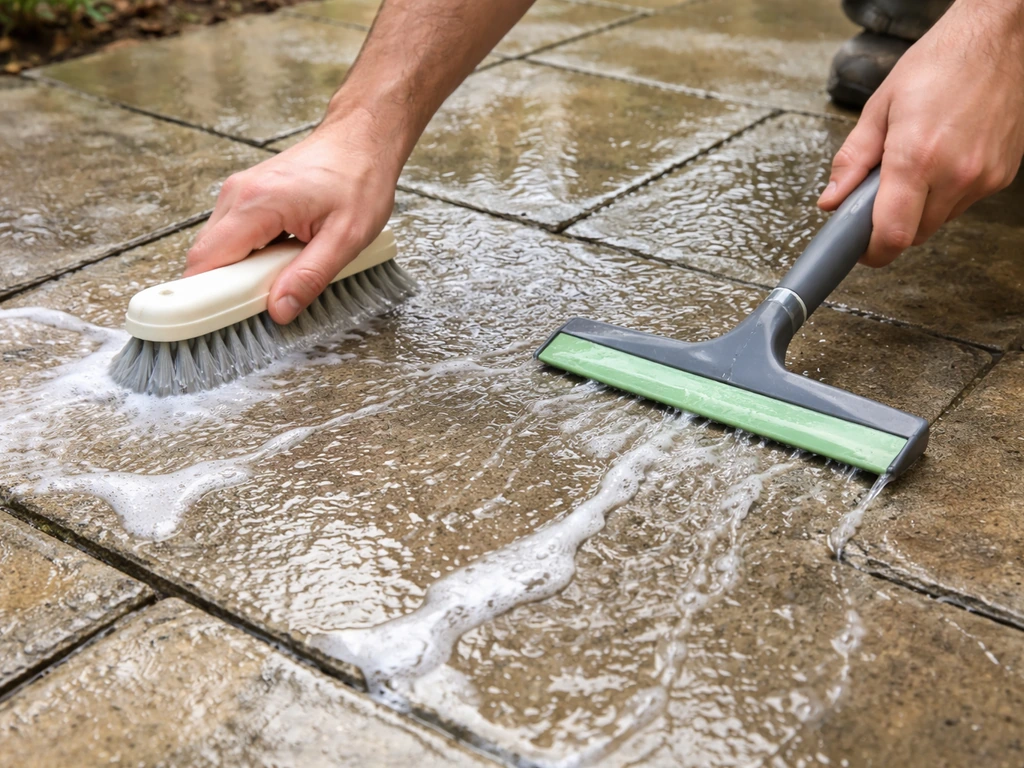
If it rained sooner than expected after you applied Patio Magic, don't panic. The product will have had partial contact time with the growth, and you'll likely still see some die-off over the next few days. If results look poor, re-apply once the surface has dried again, choosing a better weather window this time. One rained-off application is rarely a total waste.
If you let the product sit for much longer than intended without any rain or rinse, and you're now seeing white streaks, a hazy film, or a crusty residue, here's how to deal with it. First, try a thorough rinse with a garden hose on full pressure. On most surfaces this will be enough.
If the streaks persist, mix a bucket of warm water with a small amount of washing-up liquid and scrub the affected area with a stiff brush, then rinse again. On porcelain, a light pass with a pressure washer on a low setting will remove even stubborn dried residue. Avoid using acidic cleaners (like vinegar or brick acid) on top of Patio Magic residue on natural stone or sandstone, as you risk etching the surface.
Third-party advice sometimes suggests waiting 48 to 72 hours before doing anything to the surface, and while this isn't official guidance, it's a reasonable conservative window that gives the product maximum time to work before you rinse or pressure wash. I wouldn't worry about the product causing damage if left longer than this on concrete, brick, or porcelain, but on sandstone and slate I'd prefer to rinse off any excess after about 24 to 48 hours just to be safe.
Quick checklist for your next Patio Magic session
- Check the forecast: you need at least 6 to 8 hours of dry weather after application (24 hours for the ready-to-use spray).
- Apply only to a dry surface; wet surfaces dilute the product and reduce effectiveness.
- Dilute the concentrate correctly: 1:4 for heavy growth, up to 1:9 for light coverage or sensitive surfaces.
- Apply evenly and avoid pooling, especially on slate and sandstone.
- Do not rinse off immediately. Leave the product to dry naturally.
- Keep children and pets off the treated area until it's completely dry (at least 5 to 6 hours).
- Expect visible die-off within 2 to 4 days; full clearance takes weeks via natural weathering.
- If you see streaks or residue after drying, rinse with a hose. On porcelain, a light pressure wash is fine.
- Do not pressure wash straight after application. Wait at least 48 to 72 hours if you want to rinse down dead growth.
- Direct any rinse water away from ponds, drains, and planting beds.
If you're comparing Patio Magic with other spray-and-leave products like Wet and Forget, the core principle is similar: both are designed to work without rinsing and rely on dwell time and weathering rather than immediate scrubbing. If you're looking for the exact same spray-and-leave method in another brand, our guide also covers how to use Wet and Forget patio cleaner.
If you want to narrow it down further, spray-and-leave patio cleaner reviews can help you compare how these products perform in real-world conditions Wet and Forget. The differences come down to concentration, specific active ingredients, and how they perform on particular surface types and growth levels. Patio Magic's spray-and-leave approach makes it one of the simpler methods to use correctly, as long as you respect the weather window and don't over-apply.
FAQ
What if I already washed the patio before using Patio Magic? Do I need to wait before applying?
Yes, Patio Magic should go on a dry surface. If you’ve just rinsed the patio, let it dry fully (and ideally wait until the morning dew is gone). Applying to damp surfaces can dilute the active ingredient and increase the chance of streaking or uneven kill.
Do I ever need to rinse Patio Magic off if I see a lot of dead moss a few days later?
Not strictly, but you can rinse if dead material is still clinging in piles or leaving a dark residue. A hose rinse a few days after treatment is a cosmetic fix, it does not need to be done immediately, and it helps prevent slick buildup after the growth lifts.
Will leaving Patio Magic on make my patio slippery?
It can if you over-apply and a thick film dries on smooth surfaces like steps. Use the label rate, avoid pooling in low spots, and if you notice a slick feel after drying, rinse pooled areas off first, then allow normal weathering to clear the rest.
Is it safe to use around plants, pets, or ponds if I do not wash it off?
Because it is a biocidal cleaner, the rinse-off avoidance does not remove the need for care. Avoid overspray onto bedding, and direct runoff away from drains, ponds, or planted areas when you rinse later. If you have a pond, consider covering it during application and keeping runoff controlled.
Can I sweep or brush the patio soon after applying, or does that count as rinsing?
Light brushing immediately after application is generally not the goal, because it can remove product before the dwell time is complete. If you want to remove loose dead debris, wait until the kill period has started (typically after a couple of days), then do gentle clearing, followed by a hose rinse if needed.
How long should I wait before pressure washing if I want to speed things up?
Even if you plan to pressure wash, don’t do it right after application. Wait at least 48 to 72 hours so the active ingredient can contact the growth, and use a wide fan tip with moderate pressure to avoid damaging surfaces.
If rain hits early, should I reapply right away or wait?
Wait until the surface is fully dry again before reapplying. One early rain event usually leads to partial results rather than a total failure, so reapply only if the die-off is clearly weak, and choose a better window with longer dry dwell time.
My patio has white streaks or haze after a long dry period, what is the safest first step?
Start with a thorough hose rinse on full flow. If residue remains, use warm water plus a small amount of washing-up liquid and scrub with a stiff brush, then rinse again. Avoid acids such as vinegar or brick acid on natural stone or sandstone.
Should I dilute the ready-to-use spray, or is the concentration fixed?
Do not dilute the ready-to-use trigger spray, it is already formulated at the labeled strength. Diluting it can reduce effectiveness and increase the odds of patchy kill and residue.
What should I do if the treated area becomes discolored even after the dead growth clears?
Some staining on porous or heavily infested areas can persist even after the algae or moss is dead. Give it time for natural weathering over subsequent weeks, and if discolouration remains, consider spot-rinsing or a carefully targeted reapplication at the correct dilution rather than soaking the whole patio again.
Does the “leave it on” rule apply the same way to all Patio Magic surfaces?
The core principle does, but the risk of visible residue varies by surface type. Porcelain and slate can show film or watermarks more clearly if over-applied, sandstone is more prone to deep residue, and soft or reclaimed brick may need a lighter approach and quicker residue clearance.
Next Article
Can You Use Wet and Forget on Patio Umbrellas?
Can you use Wet and Forget on patio umbrellas? Learn suitability by material, safe application steps, risks, and better
