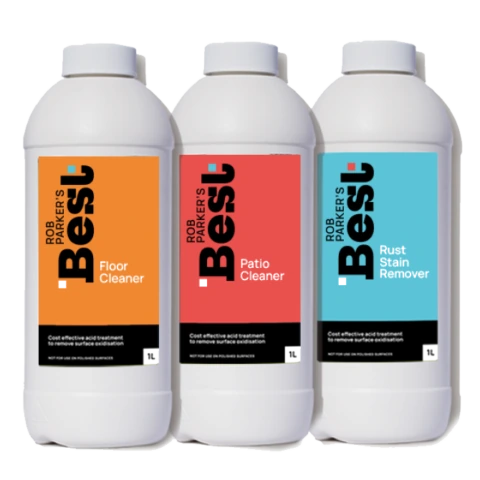
For most patio surfaces, a quaternary ammonium-based cleaner like Wet & Forget Outdoor or an oxygen-based patio cleaner will safely kill mould, algae, and mildew without the harsh risks that come with straight bleach. On concrete and brick, a diluted sodium hypochlorite solution also works well if used carefully. On natural stone, sandstone, slate, or porcelain, skip bleach entirely and go for a specialist stone-safe biocide or an oxygen-based product. The right pick comes down to your surface material and how bad the growth is, and getting that match right is what separates a clean patio that stays clean from a recurring green nightmare.
Best Patio Mould Cleaner: Products, Use, Safety, Prevention

Rhea Lang
8 Jul 2026
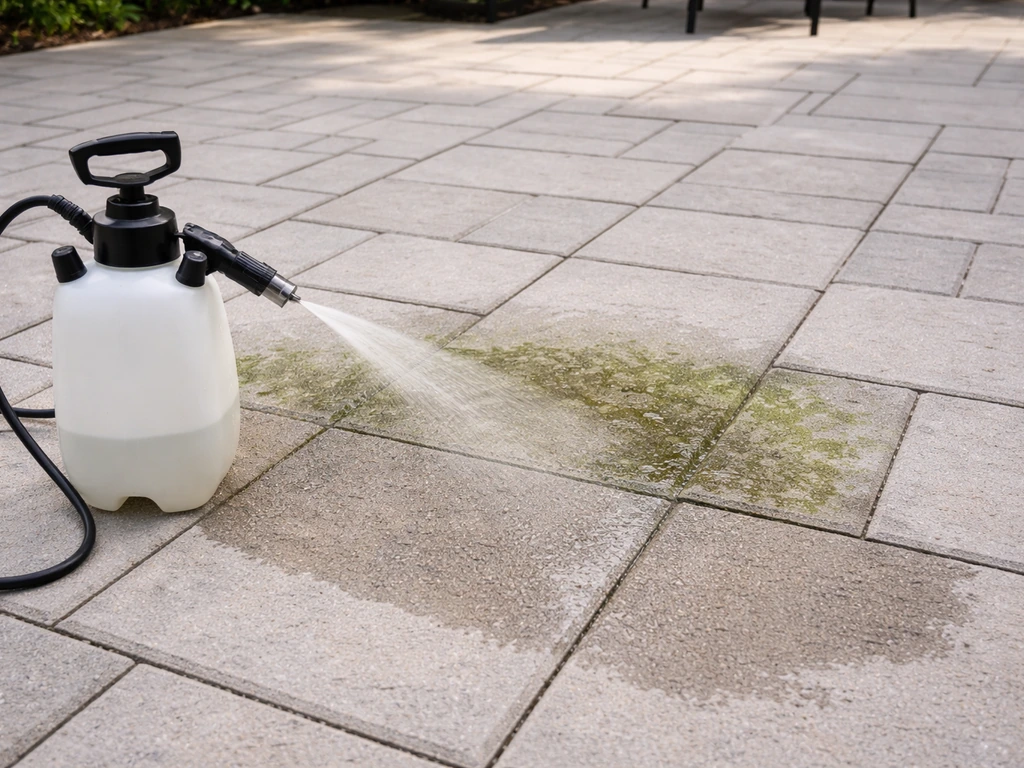
Mould, algae, or mildew? It actually matters for cleaning
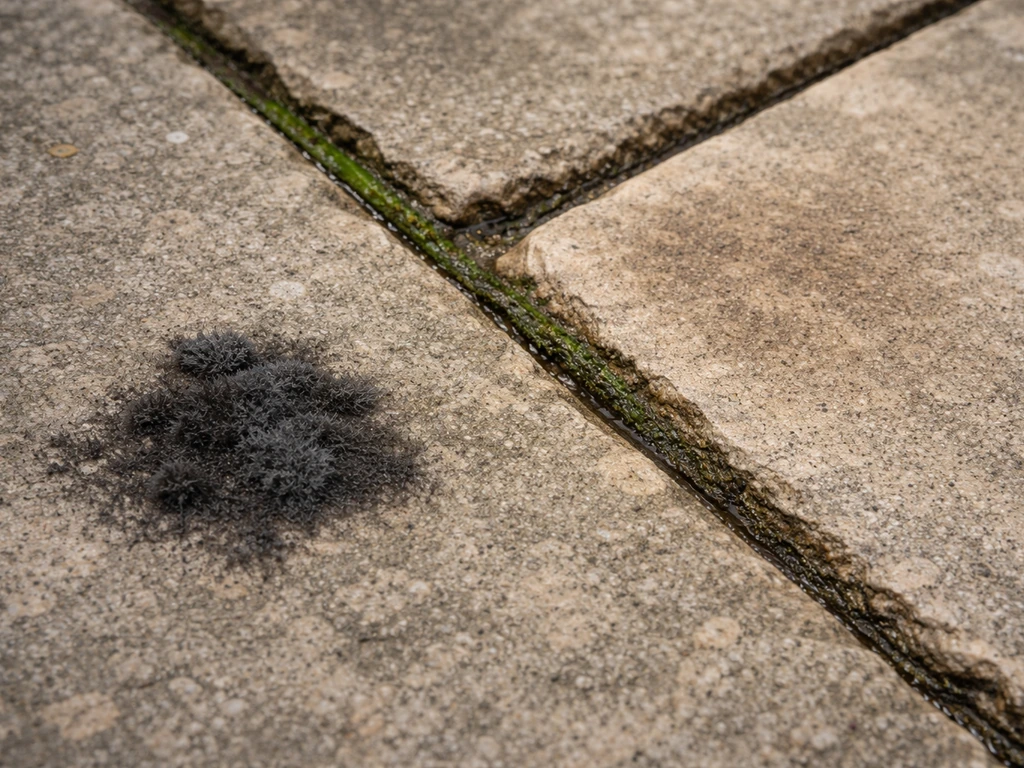
Before you buy anything, take a close look at what you're actually dealing with. Most people call it all 'mould,' but there are real differences, and the best cleaner and dwell time can vary depending on what you're fighting.
- True mould: usually appears as black, dark grey, or dark green fuzzy or slimy patches, often in shaded spots that stay damp. It grows into porous surfaces and can be harder to lift than surface algae.
- Green algae: a flat, slippery green film that builds up anywhere moisture lingers. Very common on patios with nearby trees or north-facing aspects. Easier to kill than mould but can look identical at a glance.
- Mildew: typically lighter in colour, white to grey, and tends to sit on the surface rather than penetrate it. More of a nuisance than a structural problem.
- Moss: thick, cushion-like, and green. Usually found in joints or on rougher surfaces. Needs more mechanical removal alongside chemical treatment.
- Lichens: crusty, grey-green, and almost impossible to remove without specialist treatment or prolonged biocide contact time. If you've got lichen, one pass with a cleaner won't cut it.
Why does this matter? Because true mould embedded in a porous surface like sandstone or concrete needs a longer dwell time and often a biocidal product to kill the root structure, not just bleach the surface stain. Algae on a smooth porcelain patio, on the other hand, lifts off quickly with almost any outdoor cleaner. Misidentifying what you have usually leads to buying the wrong product, getting frustrated when the stain comes back in a few weeks, and assuming nothing works. It's also worth knowing that green or black growth on a constantly damp area is almost always a drainage or shade issue first and a cleaning issue second. Fixing the underlying cause is the only long-term solution.
Best patio mould cleaner by surface type
Not every cleaner is safe on every surface. This is probably the most overlooked part of buying an outdoor cleaner. Here's what actually works on each common patio material, and what to avoid.
Concrete patios
Concrete is the most forgiving surface to clean. It's dense and non-reactive, so you have more options here than anywhere else. A diluted sodium hypochlorite (bleach) solution works well for heavy mould, algae, and green staining. Mix one part household bleach with four to five parts water, apply, let it sit for 10 to 15 minutes, then scrub and rinse thoroughly. For a lower-effort approach, Wet & Forget Outdoor (diluted 1:5 with water) applied and left to work over days to weeks via rainfall is genuinely effective and doesn't require scrubbing. Oxygen-based cleaners like HG Patio Cleaner also work well on concrete for lighter growth. Avoid anything highly acidic on concrete, as it can etch and weaken the surface over time.
Brick patios
Brick behaves similarly to concrete in terms of product tolerance, but the mortar joints are more vulnerable. Bleach solutions and quaternary ammonium biocides both work well. Just keep the contact time reasonable and don't flood the joints repeatedly, as this can soften mortar over many cleanings. Everbuild Patio Wizard is a good option here because it's bleach-free and acid-free once dry, which is gentler on the mortar while still being effective on biological growth. Rinse joints thoroughly after any chemical treatment.
Natural stone patios (limestone, granite, travertine)
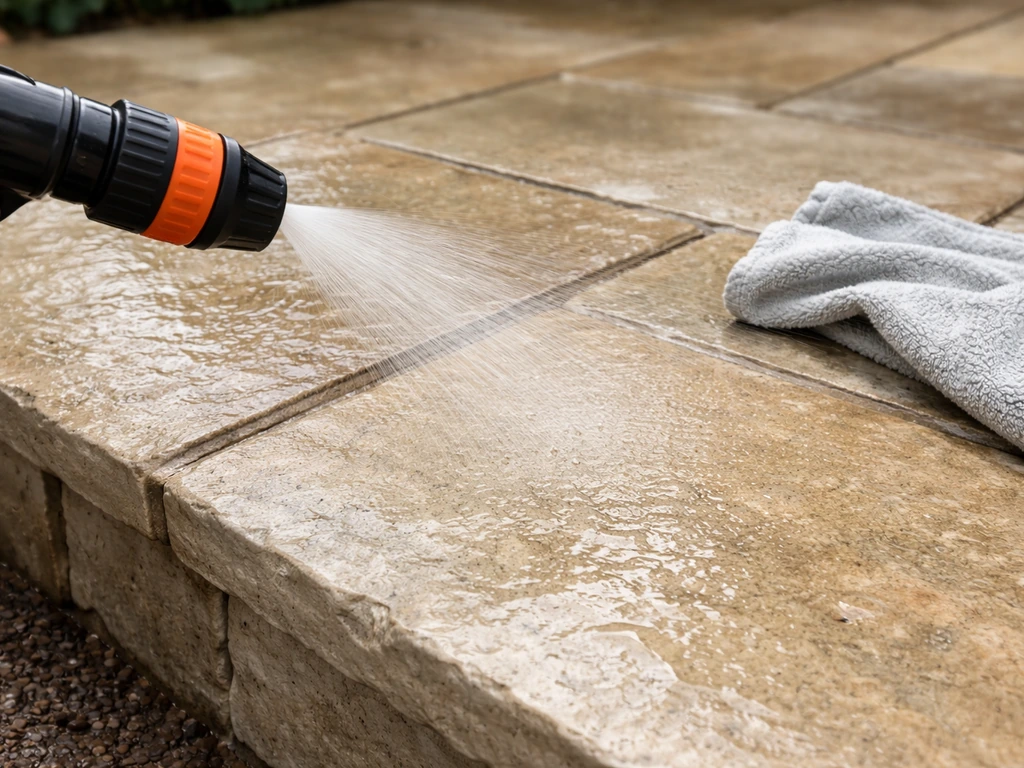
This is where you need to be careful. Bleach and oxidising cleaners can drive soluble salts into the pores of natural stone, and when those salts crystallise as the stone dries, you get spalling, pitting, and surface decay. The US National Park Service specifically warns against bleach on stone for exactly this reason. Stick to pH-neutral, stone-safe biocides or quaternary ammonium products like Wet & Forget, which are gentler on porous materials. A great option to consider for many patios is the best patio cleaner specifically designed for mould, algae, and mildew pH-neutral, stone-safe biocides. Always test on a small hidden area first. Dwell time matters more here than mechanical scrubbing, so be patient.
Sandstone patios
Sandstone is soft, porous, and one of the most easily damaged patio surfaces if you use the wrong product. Bleach is a hard no here. Acids are also a hard no. Even some alkaline degreasers can cause colour bleaching or surface softening on certain sandstones. Go for a specialist stone biocide or a diluted quaternary ammonium product. Apply gently with a soft brush, not a stiff-bristle scrubber, and avoid high-pressure washing directly onto the surface. I've seen sandstone patios permanently lightened in patches from people using patio concentrate products meant for concrete. Once that damage is done, it can't easily be reversed.
Slate patios
Slate is harder and denser than sandstone but still benefits from a gentle approach. A pH-neutral biocide or Wet & Forget-style product is the safest choice. Diluted bleach can be used at low concentrations if you rinse very thoroughly, but it can dull the natural sheen of slate over repeated use. Avoid scrubbing too aggressively on textured slate, as you can abrade the surface. A longer dwell time with a gentle product will always beat a short, harsh treatment on slate.
Porcelain patio tiles
Porcelain is the easiest surface to clean and the most resistant to chemicals. Its low porosity means mould and algae sit on the surface rather than penetrating it, so you don't need heavy-duty products. Any outdoor patio cleaner, diluted bleach, or quaternary ammonium product will do the job. The main risk with porcelain is slipping, not surface damage, so focus on making sure you rinse off all cleaning product and treat the tile grout separately if there's mould growing in the joints. A grout-specific mould cleaner is more effective in joints than a broad-surface patio spray.
| Surface | Safe cleaner types | Avoid | Notes |
|---|---|---|---|
| Concrete | Bleach solution, oxygen-based, quaternary ammonium biocide | High-concentration acid | Most tolerant surface; rinse well |
| Brick | Bleach solution, quaternary ammonium biocide, bleach-free biocide | Repeated harsh acid | Protect mortar joints; rinse thoroughly |
| Natural stone | pH-neutral stone-safe biocide, quaternary ammonium (Wet & Forget) | Bleach, oxidising cleaners, acids | Bleach can cause salt crystallisation and decay |
| Sandstone | Specialist stone biocide, diluted quaternary ammonium | Bleach, acids, strong alkalis, pressure washing | Softest surface; most at risk of chemical damage |
| Slate | pH-neutral biocide, diluted quaternary ammonium | Repeated bleach use, harsh abrasives | Can dull sheen over time with bleach |
| Porcelain | Any outdoor patio cleaner, bleach solution, quaternary ammonium | Nothing critical, but avoid leaving product in joints | Low porosity; easy to clean; treat grout separately |
How to choose the right cleaner: active ingredients, safety, and surface compatibility
The label on most patio cleaners isn't very informative, so knowing the main active ingredient categories helps you make a smarter choice.
Sodium hypochlorite (bleach-based cleaners)
Bleach is cheap, widely available, and genuinely effective on mould and algae on robust surfaces like concrete and brick. But it comes with real risks. Never mix bleach with ammonia or ammonia-containing cleaners: the reaction produces toxic chloramine gases that can cause serious respiratory harm. EPA notes that bleach and other oxidizers can react with other chemicals, including ammonia and quaternary compounds, so they should not be mixed and should be used only as directed on the label blank" rel="noopener noreferrer">bleach and oxidizers can react with other chemicals like ammonia or quaternary compounds. Never mix bleach with acids either, because you risk releasing chlorine gas. Use it diluted (not concentrated from the bottle), wear gloves and eye protection, and work in a well-ventilated outdoor area. The EPA also recommends safe handling and appropriate PPE when dealing with mold, and it provides specific cleaning guidance for homes Use it diluted, wear gloves and eye protection, and work in a well-ventilated outdoor area.. Keep children and pets off the surface until it's fully rinsed and dry. Manage runoff carefully around drains, garden beds, and lawns, as bleach will damage plants and can affect local drainage systems. On the surfaces where it's appropriate, it's one of the most cost-effective options available.
Quaternary ammonium compounds (biocide/algaecide products)
Products like Wet & Forget Outdoor use alkyl dimethyl benzyl ammonium chloride as the active ingredient. This class of compounds kills algae, mould, mildew, moss, and lichen at a cellular level, and because they're designed to work slowly via rain contact over days or weeks, they're very low effort to apply. You dilute 1 part product to 5 parts water, spray it on, and leave it. No scrubbing required. This makes them especially good for large areas, delicate surfaces, and people who want to treat and walk away. They're gentler on natural stone than bleach, though still worth testing on a hidden spot first. Do not mix these products with bleach or oxidising cleaners, as the interaction can reduce effectiveness and raise safety concerns.
Oxygen-based (percarbonate) cleaners
Oxygen-based cleaners like those using sodium percarbonate release active oxygen when dissolved in water, which breaks down organic staining, mould, and algae. They're a good middle ground: more powerful than plain detergent, safer than bleach on most surfaces, and generally gentler on natural stone. They work best with warm water and a bit of agitation. For moderate mould or algae on concrete, stone, and brick, they're a solid choice. They tend to be less effective on very heavy or long-established growth compared to bleach or dedicated biocides.
Specialist bleach-free biocidal cleaners
Products like Everbuild Patio Wizard sit in a category of their own: marketed as killing green biological growth without bleach or acid, making them a reasonable choice for mixed-surface patios or where you want something safer around planted borders. These are particularly useful if you're not sure exactly what stone or tile you have and want a lower-risk product. They tend to need longer to work than bleach but are safer for repeated use. Always check the active ingredient before buying, as formulations vary by brand and some products in this category work better than others.
Safety basics for any outdoor cleaner
- Wear chemical-resistant gloves and eye protection when applying any concentrated cleaner, even 'gentle' ones.
- Keep children and pets off the treated area until it is fully rinsed and dry.
- Work on a dry, calm day to avoid product drifting onto plants, fences, or neighbouring surfaces.
- Never mix different cleaning products, especially bleach with anything else. The chemical reactions can be dangerous.
- Read the SDS (safety data sheet) for any product you use, particularly for quaternary ammonium or biocidal products.
- Manage runoff: dilute and redirect away from drains, ponds, and planted beds where possible.
Step-by-step cleaning process for quick results
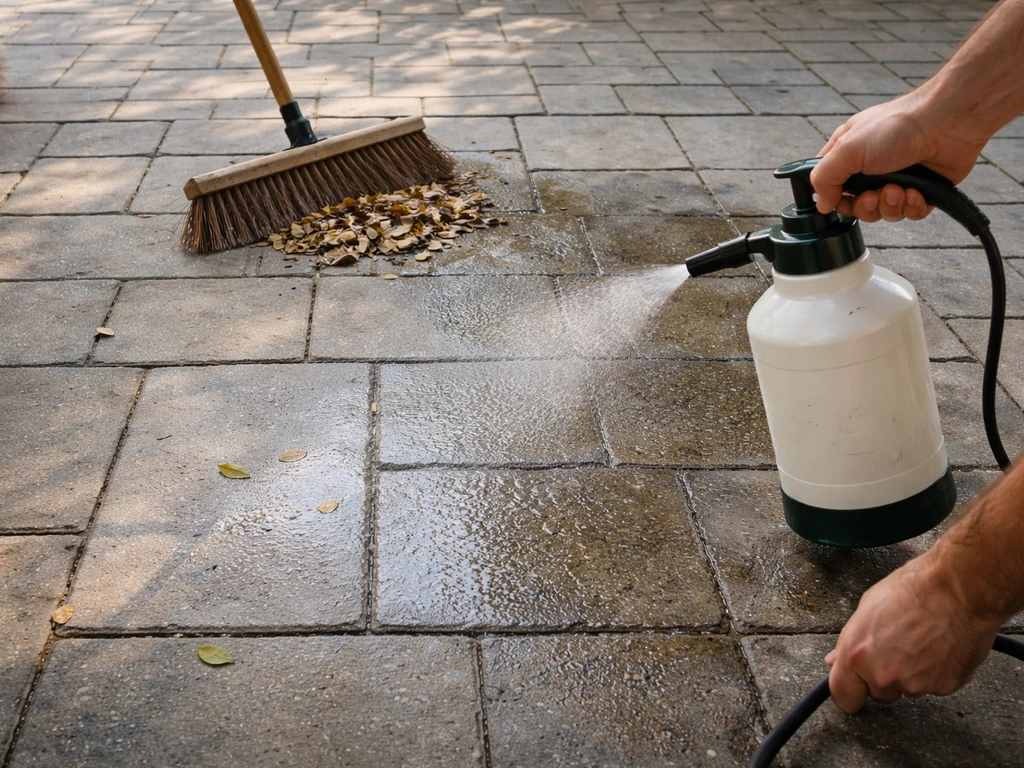
Whatever product you're using, the process matters as much as the chemistry. Rushing any of these steps is where most DIY patio cleaning goes wrong.
- Clear and prepare the area. Move furniture, plant pots, and any items off the patio. Sweep off loose debris, leaves, and dirt. The cleaner needs contact with the growth, not a layer of leaves.
- Pre-rinse with water. A light rinse with a garden hose wets the surface and helps the cleaner penetrate more evenly. It also stops you wasting product by having it absorbed into dry surface grime before it reaches the mould.
- Mix and apply your cleaner at the correct dilution. More is not better. Over-concentrated bleach doesn't clean better, it just increases the risk of surface damage and runoff issues. Follow the label dilution exactly. For spray-on products like Wet & Forget, apply generously and ensure the surface stays wet.
- Allow the dwell time. This is the step most people skip. Dwell time is when the active ingredient actually kills the mould or algae. For bleach solutions, 10 to 15 minutes is usually enough on concrete. For biocidal products, it may be 20 to 30 minutes for a scrub-and-rinse approach, or several days for leave-on products like Wet & Forget. Don't let the product dry on the surface during dwell time, especially on hot days. Re-apply lightly if it starts to dry out.
- Scrub where needed. A stiff-bristle deck brush on concrete and brick, a medium brush on stone, and a soft brush on sandstone and slate. Scrubbing after dwell time breaks up the dead growth and lifts it from the surface. For leave-on products, rain and time do this work for you.
- Rinse thoroughly. This step cannot be rushed. All product residue needs to come off, especially on natural stone where residue can cause issues. Use a hose or low-pressure washer and rinse until the water runs clear.
- Repeat if necessary. Heavy or long-established mould will rarely come off in one treatment. A second application after the first rinse is normal for badly affected areas. For very old growth on rough stone, you may need three passes over a week or two.
Pressure washing vs chemical cleaning: what works and what to avoid
Pressure washing is often the first thing people reach for when they see a green patio, and sometimes it's the right call. But it's not a mould cleaner. It's a removal tool, and used incorrectly it can make things worse.
When pressure washing helps
On concrete, engineering brick, and porcelain, a pressure washer is excellent for blasting off surface algae, dead growth after a chemical treatment, and general grime. Using it after a chemical pre-treatment (apply cleaner, let it dwell, then pressure wash to remove) is actually the most effective combination. The chemical kills the growth, the pressure washer removes the debris. For large areas, this combination is hard to beat for speed.
When pressure washing makes things worse
Using high pressure directly on mould without a chemical pre-treatment can drive fungal spores and root structures deeper into porous surfaces. You blast the visible stain off, it looks clean, and then growth returns faster than before. This is especially true on rough concrete, textured stone, and brick. High pressure also damages sandstone and soft stone surfaces, strips mortar from joints, and can crack or chip porcelain tile edges if the angle or pressure is wrong. A wide fan nozzle at moderate pressure (around 1,200 to 1,500 PSI for stone surfaces, up to 2,000 PSI for concrete) is much safer than a narrow lance tip at full pressure. Always keep the nozzle moving, never hold it static on one spot.
What to avoid with pressure washers
- Don't use a pencil/0-degree nozzle on any patio surface. It concentrates pressure into a tiny point and will gouge or etch even concrete.
- Don't pressure wash sandstone or very soft stone without a specialist stone attachment or low-pressure setting.
- Don't pressure wash freshly re-pointed joints until the mortar has fully cured.
- Don't use a pressure washer as a substitute for chemical treatment on established mould. Treat first, wash second.
- Don't pressure wash toward drains or water features unless you've managed the chemical runoff issue first.
If you're doing a general outdoor patio clean, the broader approach to choosing between cleaning methods is covered in more detail in guides focused on general outdoor patio cleaners and best patio and driveway cleaners, both of which sit alongside this guide on the site.
How to stop mould coming back
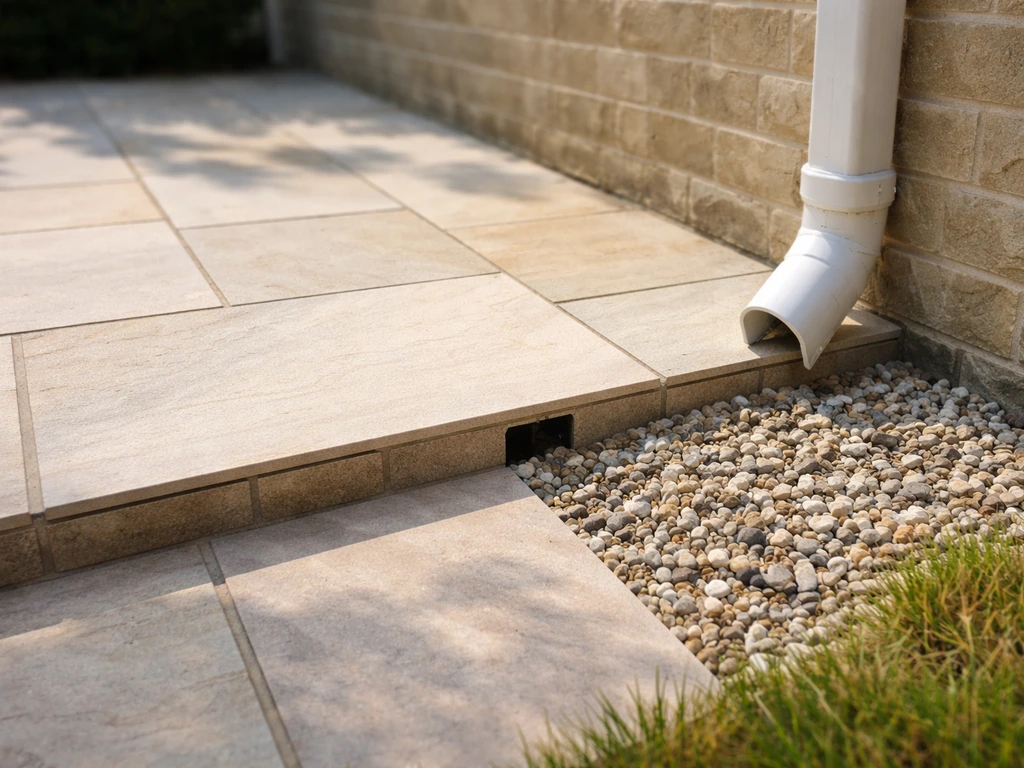
Cleaning is reactive. Prevention is where you actually win. Mould and algae grow where there's persistent moisture, shade, and organic debris. If you want the best outdoor patio mop routine, the key is using the right cleaner for your surface and then keeping moisture low so growth does not return. Remove those conditions and you dramatically reduce how often you need to clean.
Improve drainage and airflow
Standing water on a patio is the single biggest driver of recurring mould. Check that your patio has an adequate fall (typically at least 1:80 gradient away from the house) so rainwater drains off rather than pooling. Clear blocked drainage channels and gulley pots regularly. If furniture or planters are sitting on the same spot all year, they trap moisture and create perfect conditions for growth underneath. Move them periodically, even just a few centimetres, to let the surface breathe and dry.
Reduce shade and moisture retention
A patio that's in permanent shade from a fence, wall, or large tree will always be more prone to algae and mould than one that gets direct sun for part of the day. Trimming back overhanging branches and keeping vegetation away from patio edges helps enormously. Organic material like fallen leaves and garden soil tracked onto the patio also feeds growth. Sweep your patio regularly, even in autumn when it feels pointless. I tend to do a quick brush and hose-down every two to three weeks during the wetter months, and it genuinely makes the twice-yearly deep clean much less of an ordeal.
Apply a preventative treatment between deep cleans
Products like Wet & Forget Outdoor are designed as much for prevention as treatment. An annual application in spring, before the growing season starts, can significantly extend the time between deep cleans by stopping growth before it establishes. Some homeowners apply it twice a year, in spring and autumn. It's low effort and cheaper than another full clean.
Seal the right surfaces after cleaning
Sealing is genuinely useful on porous surfaces like concrete, sandstone, limestone, and brick. A quality impregnating patio sealer (look for breathable, penetrating sealers rather than surface film sealers) reduces the amount of moisture the surface absorbs, which starves mould and algae of the damp conditions they need to grow. Always seal after a thorough clean and make sure the surface is completely dry first. Sealing a damp or incompletely cleaned patio traps moisture and growth underneath, which makes things worse. Reapply sealer every two to three years, or when water stops beading on the surface. Porcelain and sealed slate generally don't need sealing because their surfaces are already non-porous, but the grout joints between tiles can benefit from a grout sealer.
Set a cleaning schedule and stick to it
A patio that's cleaned twice a year (typically spring and autumn) is much easier to maintain than one that gets a single annual blitz. Light growth cleaned early requires less product, less effort, and causes less wear on the surface than established mould that's been left all winter. If you're using a leave-on biocide like Wet & Forget as your primary cleaner, the maintenance model is simple: apply once in spring, let it work through the season, and do a light clean or reapplication in autumn. If you want the best patio furniture cleaner for the task, match the product to your surface and apply it on schedule for the cleanest results primary cleaner. Combined with good drainage and periodic sweeping, most patios can be kept genuinely clean with very little effort throughout the year.
FAQ
Can I use the best patio mould cleaner on painted patio surfaces or decking?
Usually no. Most “best patio mould cleaner” products are formulated for mineral surfaces like concrete, brick, slate, or porcelain, not coatings, wood, or composite decking. If your surface is painted or stained, check for a “suitable for paint/coatings” note and test on a hidden area first, since aggressive biocides and bleach can dull or lift coatings.
How soon after spraying a leave-on cleaner can I walk on the patio or let pets use it?
Treat it like a contact-and-rinse process even if you do not scrub. Keep children and pets off until the product has fully dried and any overspray has been rinsed off where applicable. For quaternary ammonium or oxygen-based sprays, follow the label for “safe when dry,” since dwell time and weather can extend the wait.
Do I need to rinse after using Wet & Forget-style quaternary ammonium cleaners?
Often you do not need to scrub, but you may still want a rinse for safety and residue reasons, especially near plant borders, drainage grates, or patio edges. The key is to prevent runoff into lawns and beds, and if rain does not come within the expected window, a light rinse of adjacent areas can reduce unwanted residue.
What should I do if the mould comes back quickly after cleaning?
Fast return usually points to moisture causes (standing water, blocked drains, dense shade, leaking downspouts) or incorrect product for the surface. Recheck fall (aim for at least a 1:80 gradient away from the house), clear gully pots, and trim overhangs. If the growth is in joints, plan a grout or joint-targeted treatment rather than only cleaning the broad surface.
Is pressure washing safe right after using bleach or an oxidising cleaner?
It can be effective, but let the chemical do its dwell first, then rinse thoroughly before blasting. Do not pressure wash immediately if the product has not had time to kill growth, and use moderate pressure with a wide fan nozzle to avoid driving debris deeper into pores. For porous stone like sandstone, pressure washing is a frequent cause of permanent patchiness, so use extra caution or skip it.
Can I mix different patio mould cleaners to “make them stronger”?
No. Do not combine bleach with ammonia-containing products or acids, and do not mix quaternary ammonium cleaners with bleach or oxidising cleaners. Mixing can reduce effectiveness, create unsafe reactions, and make it hard to predict how the surface will react. If you need a second pass, use one product at a time and rinse fully between.
What’s the safest way to test a new patio mould cleaner before using it broadly?
Pick an inconspicuous spot, clean a small section, and observe for 24 to 72 hours. Look for changes in colour, sheen, and texture, especially on slate, sandstone, and grout. If you see lightening, dulling, or roughening, switch to a pH-neutral, stone-safe biocide or a specialist product for your specific surface.
How do I choose a cleaner when I am not sure if it is algae, mould, or lichen?
Use product type cues: algae and surface grime often respond well to oxygen-based or quaternary ammonium treatments with decent dwell, while embedded growth on porous materials usually needs longer contact time and may require a specialist biocide. If the pattern is strongly tied to damp shade, treat moisture first. If it is clustered in joints, target grout or joints separately.
Will sealing after cleaning prevent mould, and when should I seal?
Sealing helps, but only after the patio is completely dry and the growth has been fully treated. If you seal too soon, you can trap moisture and residue inside pores and worsen recurrence. For concrete and porous stone, use a breathable penetrating sealer and reapply every two to three years (or when water stops beading).
Is it worth cleaning in winter, or should I wait until spring?
Winter cleaning can work, but dwell time and kill rate slow down in cold, damp weather. For leave-on biocides designed to work via rain contact, spring is often more reliable because temperatures support active dwell and drying. If you must clean now, use the warmest part of the day, ensure better ventilation, and expect longer drying times before foot traffic.
Next Article
Rob Parkers Best Patio Cleaner: How to Clean Any Surface
Find Rob Parkers best patio cleaner and get step-by-step cleaning for concrete, stone, brick, slate, porcelain and stain