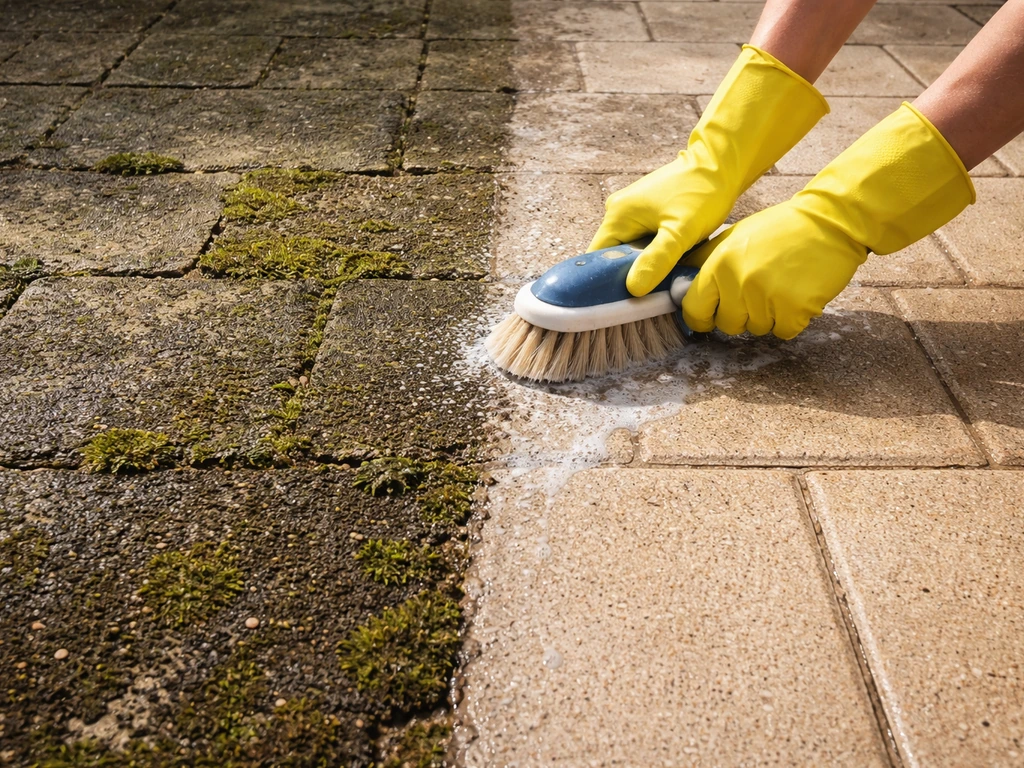
For most patio cleaners, you leave the product on the surface for between 30 seconds and 10 minutes before rinsing or scrubbing. The exact window depends on the product chemistry, the surface material, and what you're trying to remove. The golden rule across almost every product I've used: keep the surface wet during that time, and never let the cleaner dry in. Dried-in cleaner is harder to remove than the original stain.
How Long Do You Leave Patio Cleaner on Surfaces
Rhea Lang
29 Apr 2026
Finding the right dwell time on the product label
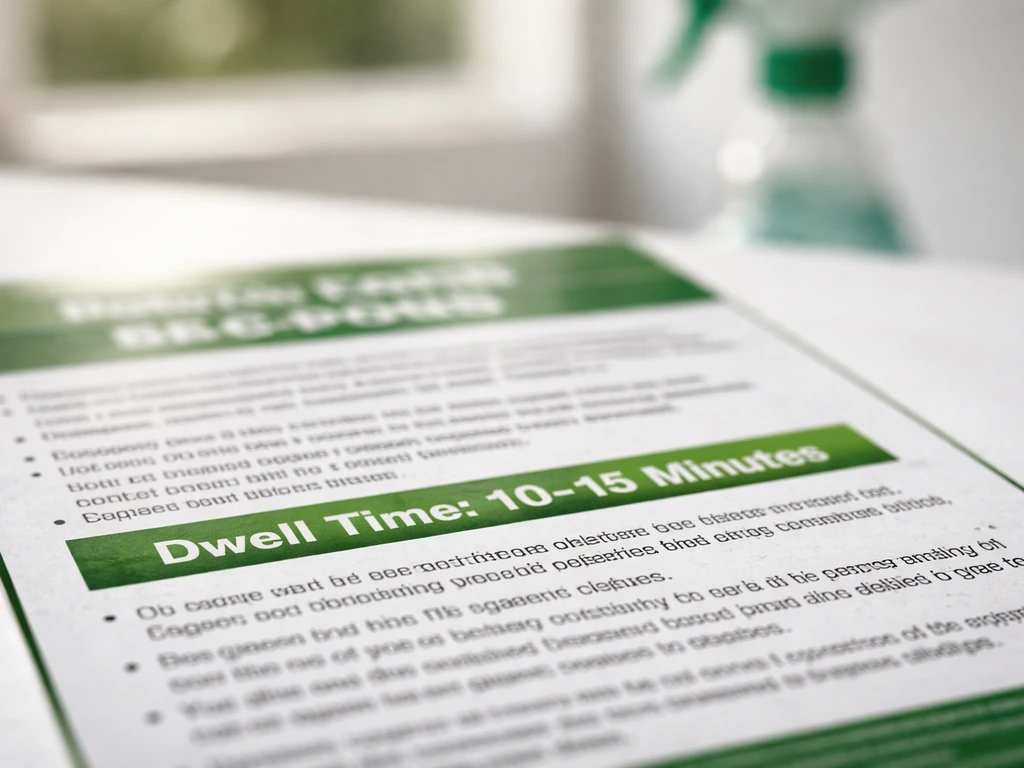
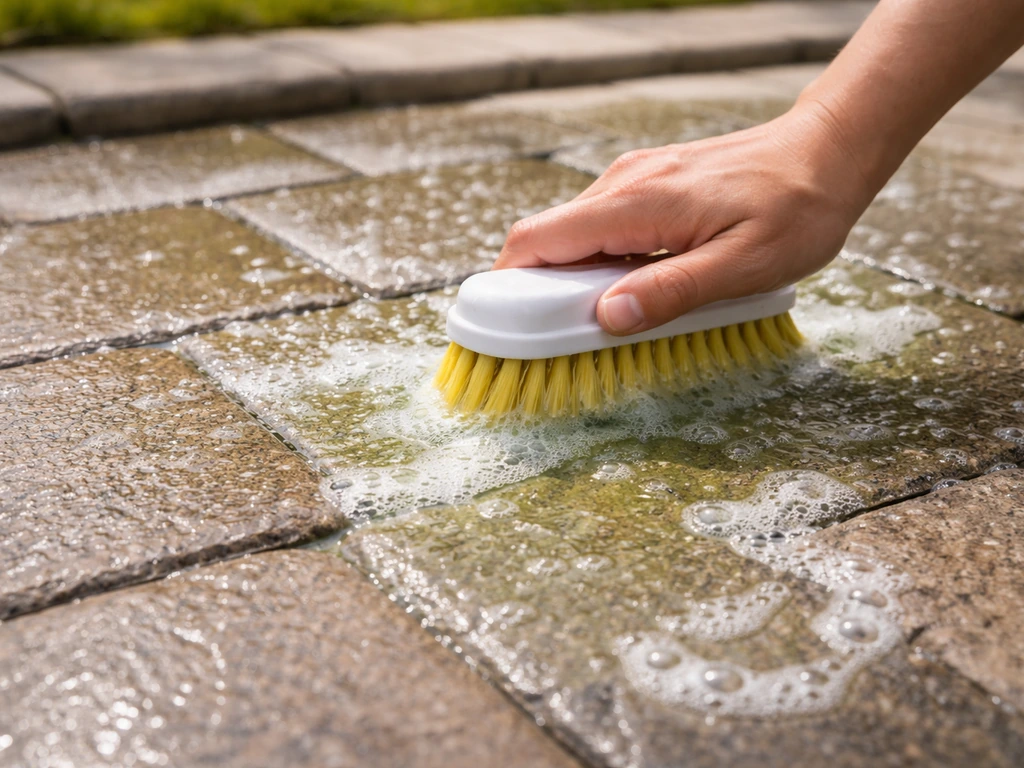
Before anything else, check the label. Every decent patio cleaner will give you a dwell time (sometimes called contact time or saturation time), and it's the most reliable starting point. If you want to understand how patio cleaner works, that dwell or contact time is the period when the active ingredients break down and loosen the stains before you rinse dwell time (contact time). Look for phrases like 'allow to sit for,' 'leave for,' or 'keep surface wet for.' On the label for 30 SECONDS Outdoor Cleaner, for example, the instructions are very specific: keep the surface wet with product for at least 30 seconds, then brush if needed and rinse within 10 minutes. That gives you a working window of 30 seconds to 10 minutes, but you must rinse before it dries.
PROSOCO Sure Klean 600, a popular masonry cleaner, uses different language: let the cleaning solution stay on the surface for 3 to 5 minutes, then rinse with fresh water. The label also warns 'do not let cleaner dry into the masonry,' which is a recurring theme across almost every acid-based, alkaline, or biocidal product out there. If you see that phrase on your label, take it seriously.
For disinfecting or biocidal cleaners (quaternary ammonium types), labels often specify a longer contact time, sometimes 5 to 10 minutes, because the active ingredient needs enough time to kill spores and bacteria rather than just lifting dirt. The label knows best here, so spend 60 seconds reading it before you start. It will usually also tell you the dilution ratio, which directly affects how long the product needs to sit, something I'll come back to shortly.
How long to leave patio cleaner by surface type
Different surfaces absorb and react to cleaners differently, so even if you're using the same product, the dwell time can shift. Here's what I've found works in practice.
Concrete
Concrete is porous and tough, so it can handle a slightly longer dwell time than most other surfaces. For general cleaners and biocidal treatments, 5 to 10 minutes is usually fine. For acid-based cleaners like diluted muriatic acid, the guidance is to allow 5 to 10 minutes but not let it dry, and to rinse thoroughly before the surface lightens unevenly. Dense, sealed concrete needs less time than rough, old concrete because the sealer reduces absorption.
Brick
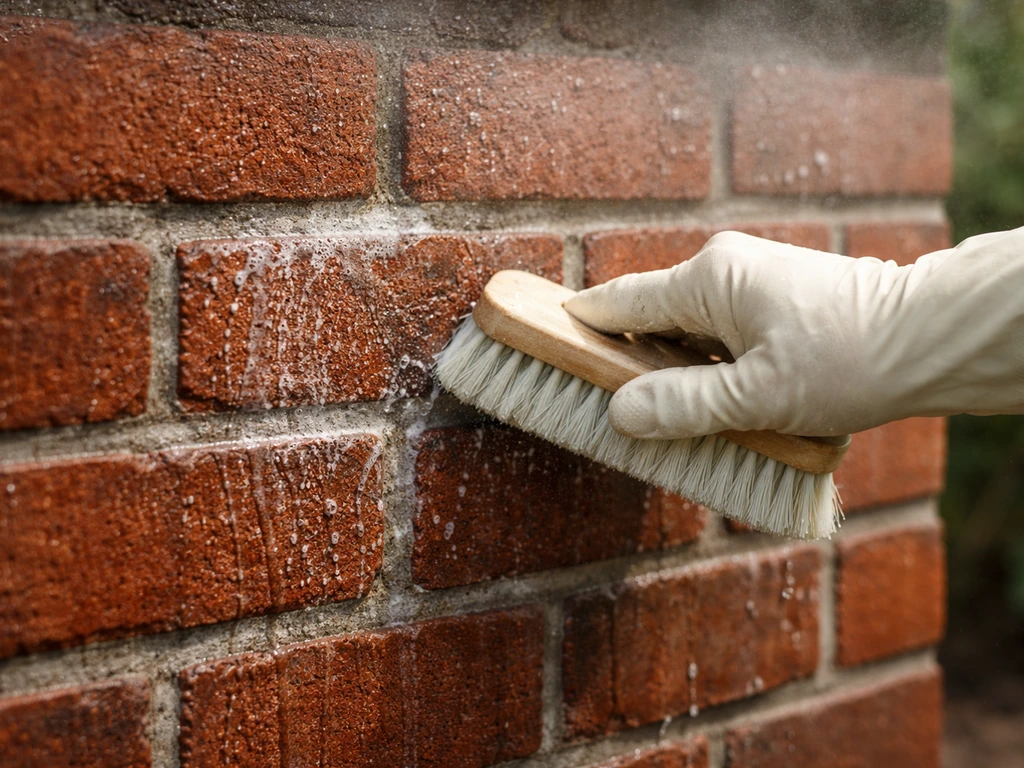
Brick is porous and can stain if you leave acidic cleaners on too long. Stick to the 3 to 5 minute window for most brick cleaners, including masonry acids. Pre-wet the brick before applying the cleaner, which slows absorption and gives you more control over the dwell time. Rinse well, because brick likes to hold residue in its surface texture.
Natural stone (general)
Natural stone is where dwell time gets more critical, because the wrong chemistry left on too long can etch or discolour the surface permanently. For general patio stone, a neutral or mildly alkaline cleaner left for 5 to 10 minutes is usually safe. Avoid acid-based products on limestone or marble entirely, and be cautious with any stone you can't positively identify.
Slate and sandstone
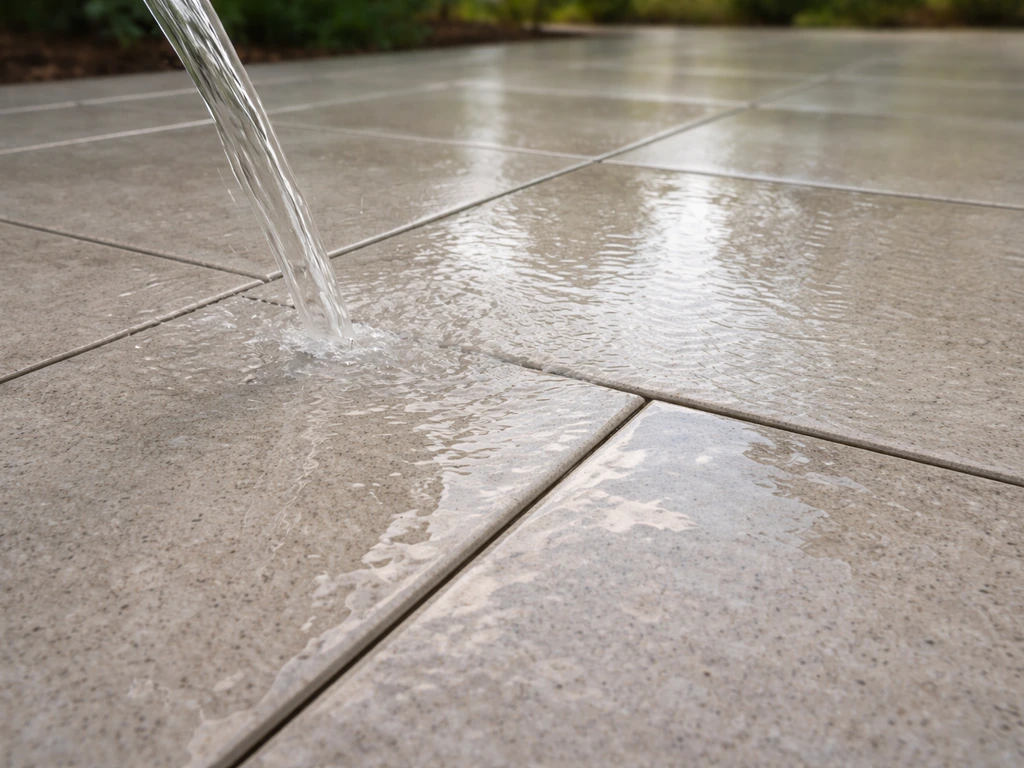
Slate and sandstone are both relatively soft and absorbent, which means they're more vulnerable to chemical damage. Keep dwell times short, 3 to 5 minutes maximum with a pH-neutral cleaner, and avoid anything strongly acidic or alkaline unless the product specifically states it's safe for these stones. I learned this the hard way with a budget cleaner on a sandstone step that came out patchy and lighter in patches where the product pooled. Always test in an inconspicuous corner first.
Porcelain and composite pavers
Porcelain is the most forgiving surface in terms of chemical resistance because it's non-porous and dense. Most patio cleaners can sit for 5 to 10 minutes without causing damage. That said, the grout lines between porcelain tiles are a different story, often made from softer materials that can be affected by acidic cleaners. Focus on rinsing grout lines thoroughly after the dwell period.
| Surface | Recommended dwell time | Key caution |
|---|---|---|
| Concrete | 5 to 10 minutes | Don't let it dry; rinse thoroughly |
| Brick | 3 to 5 minutes | Pre-wet first; watch for acid etching |
| Natural stone (general) | 5 to 10 minutes (neutral cleaners) | Avoid acids; test first |
| Slate / sandstone | 3 to 5 minutes max | Very absorbent; use pH-neutral products |
| Porcelain / composite pavers | 5 to 10 minutes | Grout lines need extra rinsing |
How long to leave it for specific stains
Mold and algae
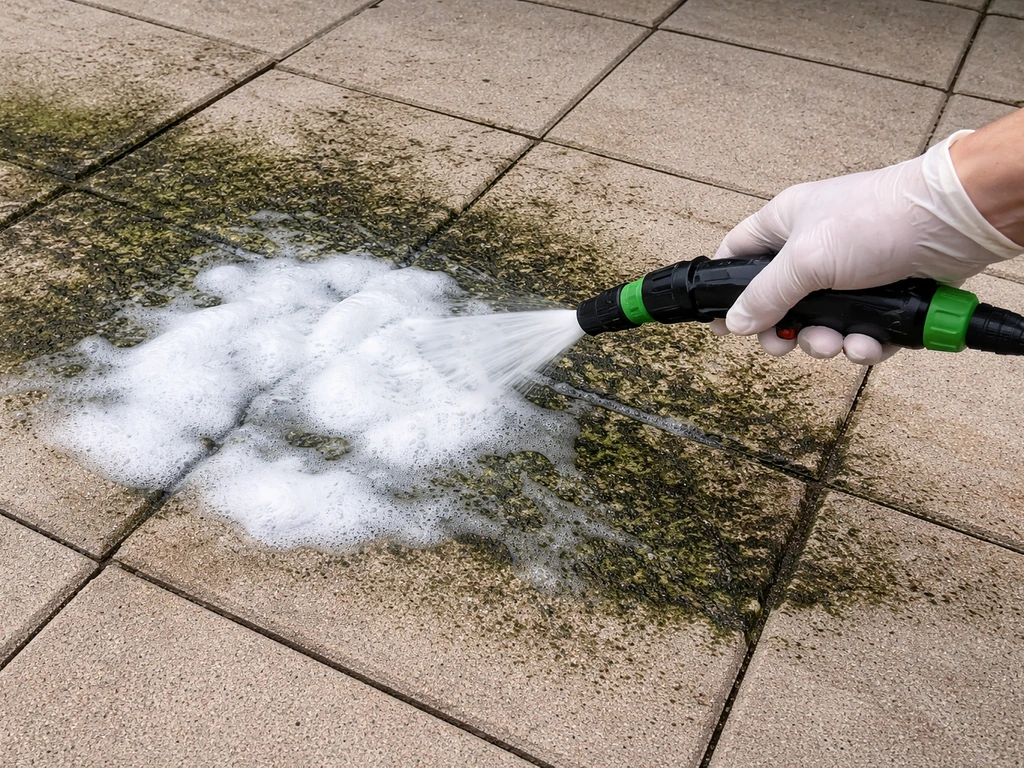
Mold and algae respond well to biocidal and bleach-based cleaners, but they need adequate contact time to actually die rather than just get knocked back temporarily. Most products designed for this job specify 5 to 10 minutes. Some no-scrub outdoor cleaners, like 30 SECONDS, need at least 30 seconds but work best when kept wet for several minutes. Keep the surface wet by misting with more product if needed, especially on warm days when evaporation is fast.
Moss and lichen
Moss and lichen are tougher than algae and often need a longer contact time or a repeat application. For thick moss coverage, leaving a biocidal cleaner on for 10 minutes (or even letting a diluted treatment soak in and dry if the product permits it) before scrubbing is realistic. Lichen in particular has a physical grip on the surface, so the chemical just kills it and you still need to scrub or pressure wash to remove the physical remains. Don't expect a single 5-minute dwell to clear heavy lichen in one pass.
Grease and oil
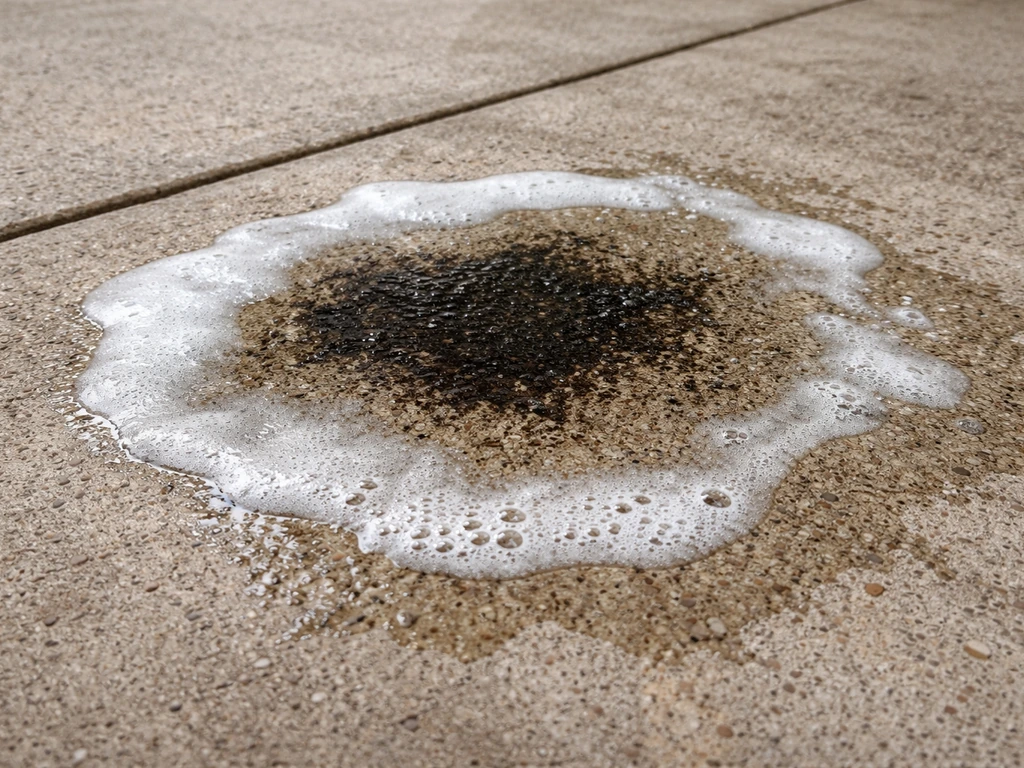
Alkaline degreasers need time to saponify (break down) grease, so don't rush this. A 5 to 10 minute dwell is standard. For heavy cooking oil or BBQ grease stains on concrete, I'll often leave a concentrated degreaser on for the full 10 minutes, then scrub aggressively before rinsing. On stone or brick, stick to the shorter end of the window and use a less concentrated product.
Rust
Rust removers are usually acid-based (oxalic acid, phosphoric acid, or hydrofluoric acid-based products), and the guidance across almost every brand is the same: apply, watch it work, and rinse before it dries. Alliance Gator Rust Remover, Everbrite Rust Remover, and general Jon-Don rust guidance all include the same warning: 'do not let the product dry on the surface.' Typical working time is 3 to 5 minutes. You'll see the rust stain lift and change colour as the acid reacts. Rinse as soon as the stain has cleared or after 5 minutes, whichever comes first. For acid-based rust removers, Everbrite also recommends having a neutralizer on hand to apply immediately after rinsing.
Pet stains and urine
Enzyme-based pet stain cleaners need the longest dwell time of any common patio product, because the enzymes have to physically break down the uric acid compounds causing the smell. Most products specify 5 to 10 minutes, but for set-in urine stains on porous concrete or brick, leaving the product on for up to 15 minutes can improve results. Avoid applying in direct sunlight or on hot surfaces, because heat kills the enzymes before they can do their job. Urine Zero and similar brands specifically recommend applying in the evening or in shade to preserve dwell time and keep the surface moist.
Timing factors that change everything
Hot weather and direct sunlight
Heat and sun are the enemy of dwell time. If the surface is hot to the touch or you're cleaning in direct sun above around 25°C (77°F), the product will evaporate or absorb faster than it can work. On a hot day, I'll either clean in the morning or evening, or I'll keep re-applying the product to maintain a wet surface throughout the dwell period. Never let it dry in, especially with acid-based cleaners.
Dilution strength
A more diluted solution generally needs a longer contact time to achieve the same result as a concentrated one. If you're diluting a product at the high end of the label's recommended range (say, 12 parts water to 1 part cleaner like Sure Klean 600), expect to stay within the full 3 to 5 minute window rather than rinsing at 2 minutes. A strong, barely-diluted solution can work faster but carries a higher risk of surface damage, so follow the label's dilution guidance rather than going stronger to save time.
Temperature
Cold weather slows down the chemical reactions. Below about 5°C (41°F), most biocidal and enzymatic cleaners lose effectiveness even with extended dwell times. Acid and alkaline cleaners still work in cooler temperatures but may need the full upper end of their dwell window. Avoid cleaning on freezing days entirely, as water-based products can freeze in surface pores and cause damage.
Pre-wetting and dwell time vs. rinse before drying
Pre-wetting a surface before applying cleaner (particularly on brick and porous stone) slows absorption and gives you better control over how the product behaves. It also helps prevent the cleaner from being sucked too deep into the pores too quickly. The critical timing point is this: your dwell time ends not when the timer hits the maximum, but when the surface looks like it's starting to dry. Whatever time the label gives, rinse before you reach that point.
Step-by-step: how to apply, dwell, and rinse properly
- Read the label first. Note the dwell time, dilution ratio, and any surface-specific warnings before you open the bottle.
- Choose the right time of day. Avoid direct midday sun and hot surfaces. Morning or evening is better for maintaining dwell time, especially for enzyme-based or biocidal products.
- Pre-wet the surface if the label recommends it, or if you're working on porous brick, sandstone, or slate. This controls absorption and gives you a more even result.
- Mix or dilute the product to the label's recommended ratio. Don't go stronger thinking it'll be faster, it usually just increases the risk of damage.
- Apply the cleaner evenly using a garden sprayer, watering can, or brush. Ensure complete, even coverage with no dry patches.
- Start your timer. Keep the surface visibly wet throughout the dwell period. On warm days, mist additional product or water over the surface to prevent premature drying.
- Scrub if needed (brushing loosens organic matter during the dwell period for products like 30 SECONDS and most biocidal cleaners). For rust removers, watch the stain and don't scrub until the reaction is complete.
- Rinse thoroughly with fresh water before the surface dries. Use a pressure washer on low to medium pressure or a strong hose jet. For masonry cleaners or acid-based products, rinse until the water runs completely clear.
- Neutralize if required. Acid-based rust removers in particular benefit from a neutralizing wash (a diluted alkaline cleaner or dedicated neutralizer) after rinsing to stop any residual reaction.
- Inspect the result. Heavily stained areas may need a second application once the surface has dried, particularly for lichen and deep oil stains.
What happens if you leave patio cleaner on too long
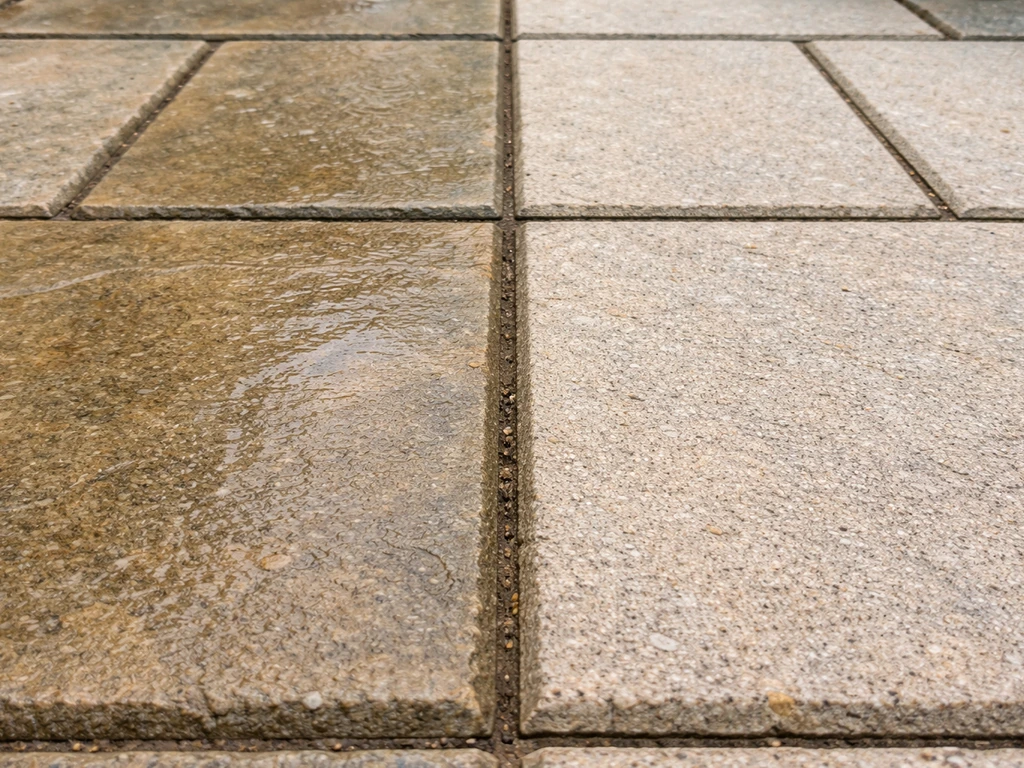
Leaving cleaner on beyond its recommended window, or worse, letting it dry completely into the surface, causes different problems depending on the product type. If you're wondering whether patio cleaner work, the key is not leaving it on too long, because overdoing it can damage the surface and reduce results. Acid-based cleaners (muriatic acid, rust removers, some masonry cleaners) can etch stone and concrete, leaving dull, rough patches that are very difficult to reverse. On brick, they can cause efflorescence (white salt deposits) to worsen rather than improve. On sandstone or slate, you can permanently lighten or mottle the colour.
Alkaline cleaners and biocides that dry in tend to leave a sticky residue or white chalky film on the surface. This is particularly noticeable on dark porcelain or slate. It's not damaging in the same way as acid etching, but it looks terrible and is annoying to remove.
If you've left an acid cleaner on too long, rinse with large volumes of fresh water immediately, then apply a neutralizing solution (bicarbonate of soda dissolved in water works in a pinch, but a dedicated neutralizer like EZ Prep is better for serious cases). For dried alkaline residue, a second thorough rinse often removes most of it, with light scrubbing for stubborn patches. For dried biocide residue on porcelain or stone, warm water and a stiff brush usually does the job.
The main lesson: if you're unsure whether you've left a product on too long, start rinsing. You can always reapply. You can't un-etch a stone.
Quick cheat sheet: dwell times by surface and stain
| Surface + stain type | Dwell time | Notes |
|---|---|---|
| Concrete + mold/algae | 5 to 10 minutes | Keep wet; re-mist if drying |
| Concrete + grease/oil | 5 to 10 minutes | Use alkaline degreaser; scrub before rinse |
| Concrete + rust | 3 to 5 minutes | Do NOT let dry; neutralize after rinsing |
| Brick + general dirt/algae | 3 to 5 minutes | Pre-wet brick first |
| Brick + rust | 3 to 5 minutes | Do NOT let dry; keep watching the stain |
| Natural stone + algae/mold | 5 to 10 minutes (neutral cleaner) | Test in hidden area first |
| Slate/sandstone + algae/moss | 3 to 5 minutes max | pH-neutral only; short dwell to avoid staining |
| Porcelain + general stains | 5 to 10 minutes | Rinse grout lines thoroughly |
| Any surface + pet urine | 5 to 15 minutes (enzyme cleaner) | Apply in shade; avoid hot surfaces |
| Any surface + moss/lichen | 10 minutes or repeat application | Scrub/pressure wash after dwell to remove remains |
When to reapply and when to switch products
If you've done a full application with the correct dwell time and the stain is still there after drying, one repeat application on the same visit (or the next day once the surface is dry) is reasonable. If a second application doesn't shift the stain, that's usually a signal to switch approach rather than repeat the same product a third time. Heavy lichen may need a concentrated biocide and several days to die back before you can brush it off. Rust that doesn't lift after two passes may need a stronger oxalic or phosphoric acid product. Grease that won't budge often responds better to a hot-water rinse with a pressure washer after the degreaser dwell, rather than a third cold rinse.
For ongoing maintenance, most patios benefit from a biocidal or algae-preventing cleaner applied once or twice a year (spring and autumn are the best windows). A single maintenance dose with the correct dwell time prevents the heavy build-up that requires aggressive chemistry and extended dwell times. Getting the application method right, including how to dilute and apply patio cleaner evenly, is just as important as the timing itself. Getting the application method right, including how to apply patio cleaner evenly without missing spots, can help you hit the best dwell time for your surface. If you want the fastest results, use the label to learn exactly how to use your patio cleaner, including the right dilution and application steps dilute and apply patio cleaner evenly.
FAQ
Can I leave patio cleaner on longer than the label says if I reapply more product to keep it wet?
Generally no. The label dwell time is tied to how the chemistry reacts, too long increases risks like etching, discoloration, and stubborn residue. If the surface looks clean near the end of the window, rinse early, if it still looks dirty after rinsing, repeat later rather than extending dwell on the same application.
What should I do if the cleaner starts drying even though I planned to rinse within the dwell time?
Rinse immediately with plenty of water, then reassess. If you let it dry, you may end up scrubbing harder and could leave residue (especially alkaline cleaners) or cause etching (acid-based). After rinsing, you can reapply with less exposure time and more frequent misting to keep the surface wet.
How do I know the dwell time is ending if there’s no clear visual cue on my surface?
Use the “starting to dry” rule from the label, look for a dulling of the wet sheen, light streaking, or areas that lose the product gloss. On porous surfaces like concrete, watch for darker areas from saturation to fade. If unsure, cut the dwell slightly shorter and rinse, you can always reapply.
Does dwell time change if I’m pressure washing right after applying?
Yes, because dwell time is for the cleaner’s active ingredients, not for the pressure washer. Pressure washing too soon can remove the chemical before it works, while waiting too long can damage surfaces or leave residue. Keep the cleaner wet for the full label dwell window, then pressure wash only after the rinse step or as directed by the product.
Can I mix two patio cleaners to speed up results?
Avoid mixing unless the label explicitly allows it. Combining different chemistries can neutralize each other, reduce effectiveness, or create unwanted reactions. If you need multiple actions (like rust plus algae), do them in separate steps with a thorough water rinse between products, then wait until the surface is fully dry before the next chemistry.
Should I use the same dwell time on sealed vs unsealed concrete or pavers?
Usually you should shorten dwell time on sealed surfaces because the product won’t penetrate as deeply, and it’s easier to overexpose the top layer. On unsealed, more porous areas the cleaner may need the upper end of the window to stay in contact with stains. Always follow the product label first, then adjust based on whether water beads (sealed) or soaks (unsealed).
What’s the safest way to test dwell time on natural stone or tile?
Do a small corner test, apply exactly per the label, keep it wet for your planned dwell, then rinse and check after drying (some damage shows after the stone dries). If you notice any lightening, mottling, or haze, shorten the contact time and switch to a neutral cleaner if the stone type is uncertain.
For algae and mold, can I rinse sooner if the spots look better?
Not usually. Visual knockdown is not the same as killing. For biocidal cleaners, keep contact time within the label range, even if algae looks reduced, then rinse as directed. If you rinse too early, regrowth can happen because organisms were not fully neutralized.
Do enzymes for pet stains still work if the surface is hot or dries quickly?
Heat and dryness reduce enzyme activity, so dwell time can’t compensate for poor conditions. Apply when the surface is cool, keep it moist throughout the dwell window (reapply/mist if allowed), and avoid direct sun. If the area dried before the full dwell, re-wet and reapply with a fresh dose rather than extending beyond the label.
If I accidentally left an acid-based rust or masonry cleaner too long, is rinsing enough?
Rinsing is the first step, but a neutralizer may be needed depending on the product. The article mentions bicarbonate as an emergency option, dedicated neutralizers work more reliably. If you see etching or persistent dull patches, a simple rinse may not fully reverse the damage, you may need a specialty restoration approach.
Should I rinse with cold, warm, or hot water after the dwell time?
Warm water can help remove dried residues on some surfaces, but temperature matters less than rinsing thoroughly. Use large volumes and consistent rinsing to flush chemical out of grout lines and pores. For dried biocide residue, warm water plus a stiff brush often improves results, while for acid reactions, rinse promptly and thoroughly.
Next Article
How to Make Patio Cleaner: DIY Recipes for Any Surface
DIY patio cleaner recipes with safe ratios for mold, moss, rust, grease, and pet stains on concrete, brick, stone