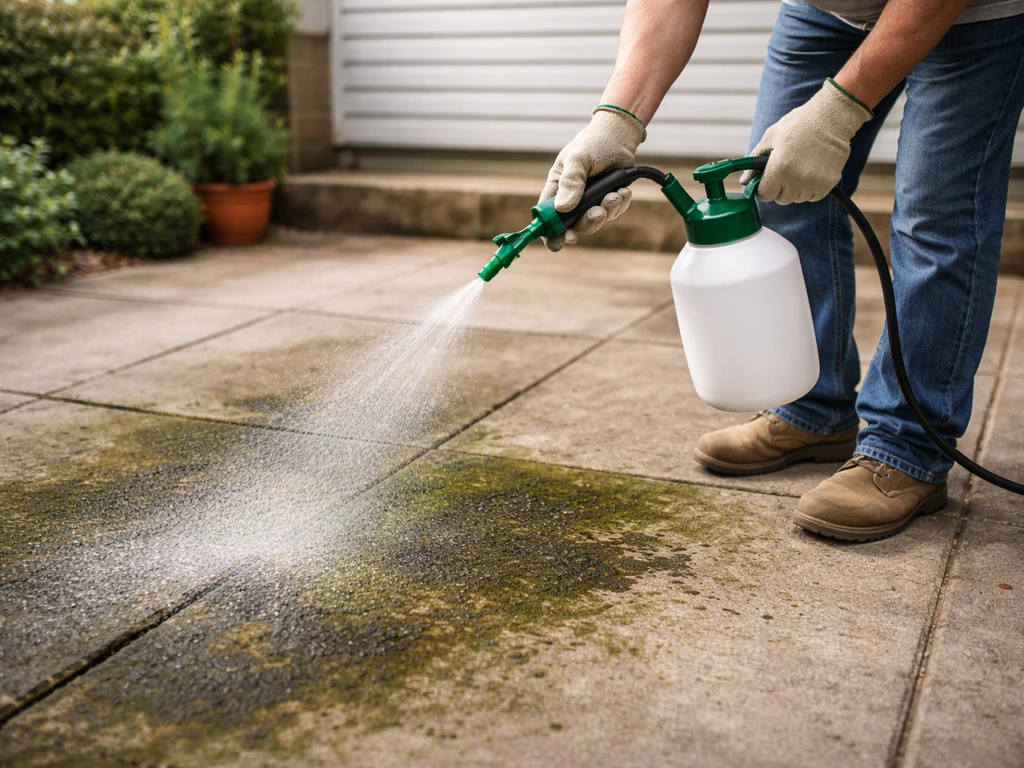
Zep patio cleaner works well on grease, oil, ground-in grime, and mold or mildew stains, but the key is picking the right product variant for your specific problem. Zep makes several outdoor-relevant cleaners, and they are not interchangeable. Use the wrong one and you will either get poor results or risk damaging your surface. Pick the right one, follow the timing rules carefully, and Zep genuinely delivers on most common patio stains.
Zep Patio Cleaner Reviews: Which Zep Works Best?

Rhea Lang
27 May 2026
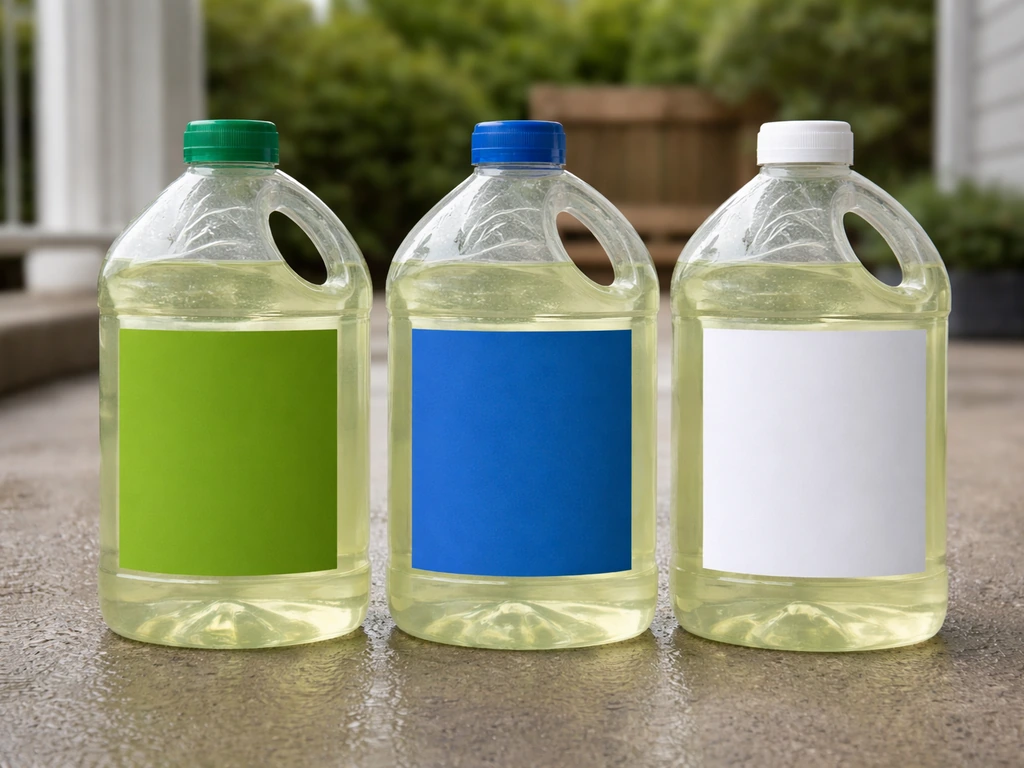
Which Zep product are we actually talking about?
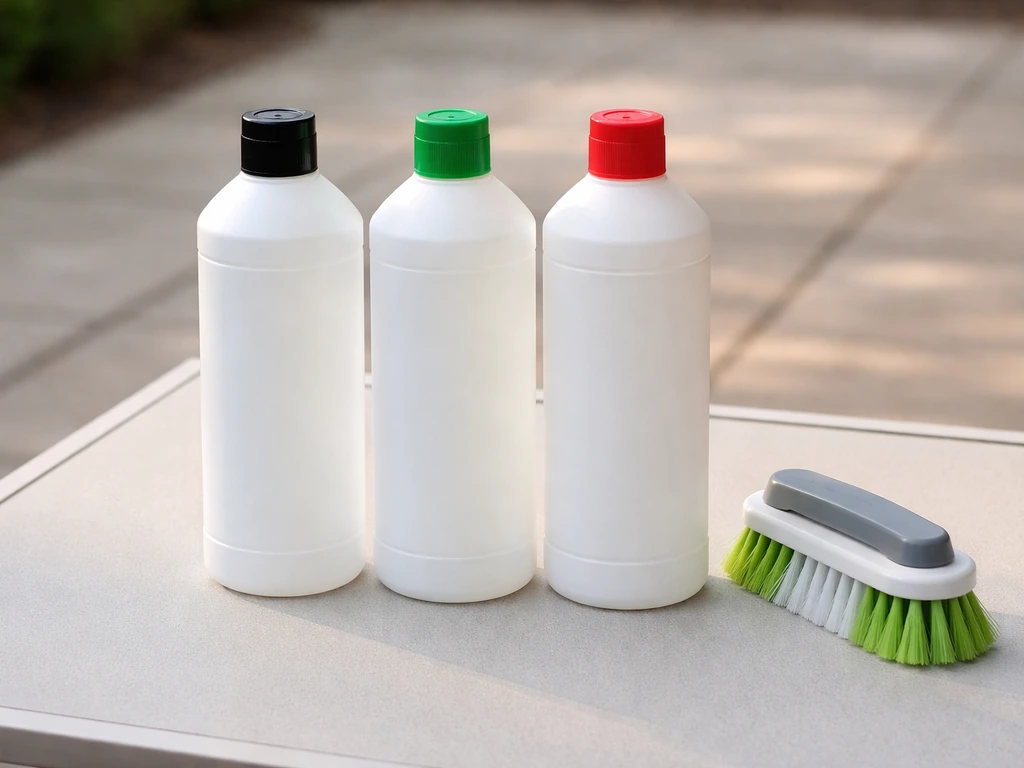
Zep is a broad cleaning brand, and the name 'Zep patio cleaner' gets used loosely to mean several different products. The three you will actually encounter for patio use are these:
- Zep Concentrated Driveway and Concrete Cleaner and Degreaser (ZUCON128): This is the workhorse for grease, oil, and general grime on hard outdoor surfaces. It is a concentrate, so one gallon makes up to 20 gallons of working solution. This is the product most people mean when they say 'Zep patio cleaner.'
- Zep Mold Stain and Mildew Stain Remover, Bleach Formula (ZUMILDEW128): A ready-to-use, sodium hypochlorite (bleach) based formula aimed at mold, mildew, and biological staining. It is not a degreaser. If your main problem is green or black growth, this is the one you want.
- Zep Concentrated Calcium, Lime and Rust Stain Remover (ZUCAL128 / ZUCAL32): An acidic formula for dissolving calcium deposits, lime scale, and rust stains. Works on porcelain, tile, and glass surfaces. Not designed for general grime or biological growth.
One important note if you are shopping from the UK: Zep's UK catalogue includes a 'Mould and Mildew Stain Remover' that is explicitly marketed as non-bleach, which makes it a different product to the US bleach-formula ZUMILDEW128. Check the label before assuming you have the same chemistry.
What real users report: the honest review summary
Across the buyer feedback I have seen for the ZUCON128 concentrate, the consistent positives are coverage value (that 1:20 dilution ratio means a gallon goes a long way on a typical patio), solid performance on oily driveways and garage aprons, and genuine improvement on heavily soiled concrete after scrubbing. People also appreciate that it does not have an overwhelming chemical smell compared to some solvent-based competitors.
The recurring criticisms are worth knowing upfront. First, users who skip scrubbing and just spray-and-rinse are frequently disappointed. Zep ZUCON128 is not a no-effort product; it needs agitation to work properly on porous surfaces. Second, streaking complaints almost always trace back to either letting the product dry before rinsing (which the manufacturer explicitly warns against) or using too high a concentration on smooth surfaces. Third, a handful of reviewers note it does little to nothing on established moss or algae because those need a biocidal formula, not a degreaser.
For ZUMILDEW128, the bleach formula gets strong marks for killing mold and mildew staining on patios and decking, with most users seeing visible results within the dwell time. The main complaint is smell (it is a bleach product, so that is expected) and the need to protect surrounding plants and lawn edges during application. Results on very deep-set black spot can be patchy with a single application.
How to use Zep patio cleaner correctly
Using ZUCON128 (the degreaser/concrete cleaner)
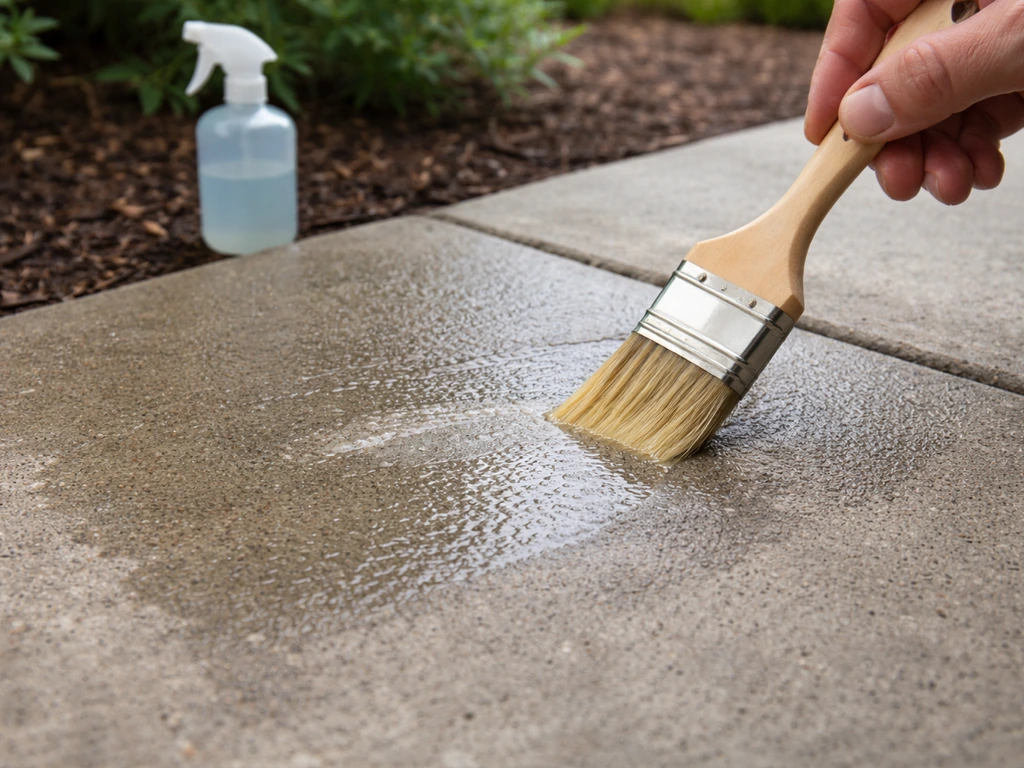
- Clear the area: Remove furniture, pots, and anything else that could get splashed. Brush off loose debris and wet the surface lightly first if it is very dry.
- Dilute correctly: For general patio grime, a 1:10 or 1:20 dilution (concentrate to water) is standard. For heavy staining, use a stronger mix but do not go neat unless the label directs it.
- Apply with a pump sprayer or mop: Cover the surface evenly. Work in manageable sections rather than doing the whole patio at once.
- Scrub it in: Use a stiff deck brush or a floor-scrubbing machine for larger areas. This is not optional. The agitation is what lifts the grime out of porous surfaces.
- Respect the 10-minute rule: Do not let the product sit for longer than 10 minutes and, critically, do not let it dry on the surface. Work in shade if possible on hot days, or do this job in the morning.
- Rinse thoroughly: Use a garden hose, mop-off with clean water, or run a pressure washer over it. All residue must come off cleanly.
- Second application: For heavy rust or mineral deposits, a second pass may be needed once the surface has dried.
Using ZUMILDEW128 (the mold and mildew remover)
- This is a ready-to-use product, so no dilution is needed. Apply directly to the affected area.
- Protect surrounding plants and lawn edges before you start. The sodium hypochlorite chemistry will bleach and damage plant matter.
- Apply and allow to dwell. Watch the surface and rinse before it dries completely.
- Scrub stubborn patches with a stiff brush before rinsing.
- Rinse thoroughly with clean water, working the runoff away from garden beds.
Using ZUCAL128 (the rust and lime remover)
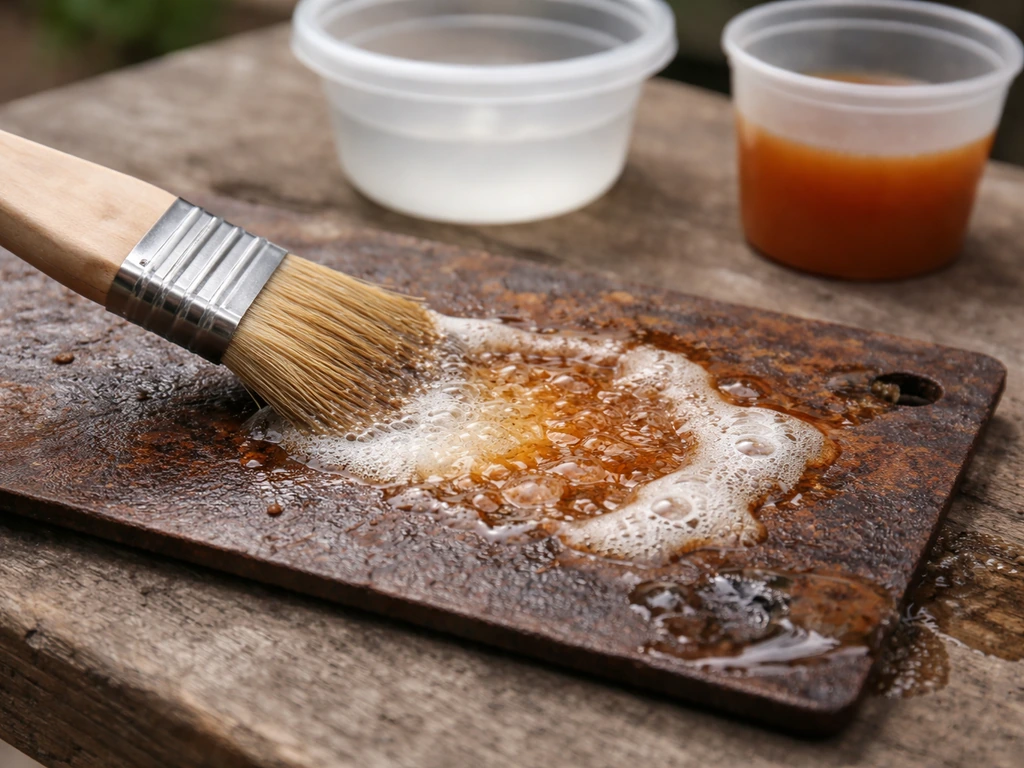
The ZUCAL products work fast because they are blank" rel="noopener noreferrer">acidic. Mix 50/50 with warm water for most jobs, apply with a brush, and rinse within 60 seconds on sensitive surfaces. Tough stains can be hit with a second application at full strength, but only once you have tested on a small inconspicuous area first. For complete pro kleen patio cleaner instructions, follow the mixing, dwell time, and rinse steps for your specific stain type. I learned this the hard way: acidic cleaners and natural stone can be a bad combination if you rush it.
Surface by surface: what to expect on your patio material
| Surface | Best Zep Product | Key Considerations |
|---|---|---|
| Concrete (standard or stamped) | ZUCON128 (degreaser) | Very well suited. Concrete is porous and responds well to agitated degreaser. Use a strong dilution for heavy staining. |
| Pavers / Brick | ZUCON128 or ZUMILDEW128 depending on stain type | Degrease oily stains with ZUCON128. Use ZUMILDEW128 for biological growth in joints. Watch for efflorescence; avoid acid near mortar joints. |
| Natural Stone (general) | ZUCON128 at weak dilution, test first | Many natural stones are acid-sensitive. Avoid ZUCAL128 entirely unless you have confirmed compatibility. Test in a hidden spot. |
| Sandstone | ZUCON128 at weak dilution only, cautious use | Sandstone is porous and soft. Any aggressive chemistry can etch or discolour it. Keep dwell times short and rinse fast. I would patch-test on sandstone every time. |
| Slate | ZUCON128 diluted, patch-test first | Slate handles cleaners better than sandstone but still warrants a test. Avoid bleach-based products on unsealed slate as they can affect the colour. |
| Porcelain / Ceramic tile | ZUCAL128 for lime/rust stains; ZUCON128 for grease | Porcelain is listed on the ZUCAL label as a compatible surface. It is also non-porous, so dwell times can be shorter and rinsing is easier. |
As a general rule, the safer your surface (concrete, brick, porcelain), the more latitude you have with Zep products. Natural stone, especially softer types like sandstone, always deserves a patch test before you commit to the full area.
What Zep handles well and where it falls short
Where Zep genuinely earns its reputation
- Oil and grease stains: ZUCON128 is genuinely strong here. Driveways with oil drip marks, BBQ grease patches on a patio, and cooking area build-up all respond well.
- Ground-in grime and general soiling: The concentration flexibility means you can make a strong solution for the really dirty sections and a lighter one for maintenance cleaning.
- Mold and mildew staining: ZUMILDEW128 (bleach formula) kills the biology and bleaches out the staining. It is effective on the black and green staining you see on patios, decking, and path edges.
- Rust and calcium/lime deposits: ZUCAL128 does the job on rust stains and mineral deposits where other cleaners fail because they lack the acidity to dissolve those minerals.
- Pet urine stains (on concrete): The degreaser formula can lift the residue and reduce odour on concrete, though heavily soaked areas may need multiple passes.
Where it struggles
- Established moss: Moss has a physical structure that grips into porous surfaces. Neither the degreaser nor the mildew remover is designed as a dedicated moss treatment. You will need to physically remove most of it first, then treat the residual staining.
- Deep algae in textured or rough surfaces: Rough concrete and riven stone hold algae deep in the texture. A single application of ZUMILDEW128 may not penetrate fully. You often need a second pass or a specialist algaecide product.
- Rust stains in tight joints: ZUCAL128 is effective on open surfaces but getting it into mortar joints between pavers is awkward without a brush applicator.
- Oil stains that have been sealed in: If the patio has been sealed over an oil stain, the cleaner cannot reach it. You need to strip the sealant first.
- Very dark or recurring black spot: One application of mildew remover may visibly improve but not fully eliminate old black spot. This is common across all chemical cleaners, not just Zep. Products specifically marketed as black spot removers may do better here.
Safety, runoff, and handling outdoors
Outdoor cleaning chemicals go somewhere when you rinse them, and that matters. Here is what to keep in mind with Zep's patio products.
- ZUMILDEW128 contains sodium hypochlorite (bleach). This is corrosive to eyes and skin, harmful to plants and lawn edges, and toxic to aquatic organisms. Do not let bleach-heavy rinse water run directly into drains, ponds, or water features. Dilute the runoff heavily with water or direct it away from sensitive areas.
- ZUCAL128 is acidic. Wear gloves and eye protection. Acid-based cleaners can also damage adjacent materials like metal edging, decorative grout, or natural stone if splashed. Rinse off any overspray immediately.
- ZUCON128 (the degreaser) is the lowest-risk of the three for outdoor use, but it is still a concentrated surfactant formula. Diluted rinse water is generally manageable but avoid directing heavy runoff into watercourses.
- Wear gloves for all three products. Eye protection is strongly recommended for any application involving a pressure washer or pump sprayer where misting is likely.
- Ventilation is not usually a concern outdoors, but on still hot days with ZUMILDEW128, the bleach fumes can be noticeable. Work with the wind at your back if possible.
- Keep children and pets off the treated area until it has been rinsed and is fully dry.
Zep vs. the alternatives: which to choose
Zep is not the only option, and it is worth knowing where it sits relative to the competition and other methods. Pro Kleen patio cleaner reviews can help you compare how this brand performs for tough stains, smell, and surface safety.
| Option | Best For | Limitations | Rough Cost Comparison |
|---|---|---|---|
| Zep ZUCON128 | Grease, oil, heavy grime on concrete/brick | Needs scrubbing, doesn't tackle biological growth well | Good value (1 gal makes 20 gal solution) |
| Zep ZUMILDEW128 | Mold, mildew, biological staining | Bleach chemistry risks to plants/stone, smell | Ready-to-use, moderate cost |
| Jeyes Fluid / Jeyes patio cleaner | Algae, moss, general outdoor grime (popular UK product) | Smell, not ideal for sensitive stone, needs diluting correctly | Broadly comparable pricing |
| Pro Kleen patio cleaner | Green algae and moss on various surfaces | Less established track record vs. Zep on oily stains | Competitive |
| Natural options (white vinegar, soda crystals) | Light grime, maintenance cleaning, safety-conscious users | Weak against heavy biological growth or oil | Very cheap |
| Pressure washing alone (no chemical) | Surface dirt, loose moss, light algae | Does not kill spores, regrowth returns quickly | Equipment cost only |
| Pressure washing + chemical cleaner | Best overall results for stubborn or widespread problems | Time and equipment needed | Higher but most effective combination |
My honest recommendation: for most homeowners with a concrete or brick patio covered in general grime and some green growth, combining Zep ZUCON128 (or ZUMILDEW128 if the growth is the main problem) with a pressure washer rinse gives the best result for the least repeated effort. The chemical does the chemical work, the pressure washer does the mechanical work. If you only want to use one tool, ZUCON128 with a good deck brush will still get you most of the way there on hard surfaces.
If you are comparing Zep to dedicated UK patio cleaners like Jeyes or specialist options like Pro Kleen or Jennychem, the main question is whether you are dealing primarily with biological growth (algae/moss) or oily/ground-in staining. If you are comparing Zep patio cleaners to Jeyes patio cleaner reviews, focus on whether your main issue is biological growth or oily, ground-in staining. Zep's degreaser is strong on the latter. UK-focused products often prioritise algae and moss because that is the dominant outdoor cleaning problem in a wetter climate.
When spots remain after the first application
If you have applied Zep and the stain is still there, work through this before giving up or assuming the product does not work.
- Check whether you used the right product for the stain type. Green biological growth will not respond well to ZUCON128. Rust will not respond to ZUMILDEW128. Matching the product to the chemistry of the problem is step one.
- Check your dilution. If you over-diluted ZUCON128 trying to stretch the product, you may not have had enough active chemistry in contact with the stain.
- Ask whether you scrubbed. ZUCON128 in particular needs physical agitation on porous surfaces. A spray-and-rinse approach rarely achieves full removal.
- Check the dwell time. Too short means insufficient contact time. Too long (or letting it dry) can leave residue that creates a new problem. Aim for the 5-10 minute window.
- For biological stains (algae, moss, mildew): try a second application of ZUMILDEW128 or consider a dedicated algaecide product. Some black spot and deep-set algae genuinely needs two or three treatments before it clears fully.
- For rust or mineral stains: ZUCAL128 at a stronger concentration (up to full strength for tough stains per Zep's directions) on a second pass is the next step.
- For oil stains that are not moving: try applying the concentrate neat (undiluted) directly to the stain, letting it sit for up to 10 minutes, scrubbing hard, then rinsing. If the stain has been there for years it may have penetrated deep into the pore structure of the concrete.
- If the surface is sealed: no cleaner will work through an intact sealant. You need to strip the sealant layer first, clean the surface, then reseal.
Persistent black spot specifically is something that trips up a lot of people regardless of which cleaner they use. If ZUMILDEW128 lightens but does not eliminate it after two applications, a specialist black spot remover formulated specifically for that problem is probably your best next step rather than continuing to repeat the same product.
The quick decision guide: which Zep product to buy
If you are standing in front of the Zep range (or a browser tab of it) and need a straight answer, here it is. If you are wondering whether Jeyes Fluid cleans patios, the safer move is to match the cleaner to the stain type and surface material rather than assuming one product works for everything Jeyes Fluid clean patios.
Pick ZUCON128 if your patio is dirty from grease, oil, traffic grime, or general soiling on a hard surface like concrete or brick. Pick ZUMILDEW128 if you have mold, mildew, black growth, or green biological staining and your surface is not acid-sensitive natural stone. Pick ZUCAL128 if you have rust stains, white calcium deposits, or lime scale marks, especially on porcelain or tile surfaces.
And if you have a bit of everything going on, tackle the biological growth first with ZUMILDEW128, let it dry, then go back with ZUCON128 for the grime. That two-pass approach gets the best overall results on badly neglected patios.
FAQ
Can I use one Zep patio cleaner on every stain, or do I really need to separate products by problem type?
You usually should separate them. Zep variants are formulated for different chemistries (degreaser vs bleach vs acidic). If you use the wrong chemistry, you can end up with little visible change or surface dulling, especially on stone and tile. When unsure, identify whether the issue is oily ground-in grime, biological growth, or mineral staining first.
What’s the biggest mistake that causes streaks with Zep patio cleaners?
Letting the product dry or dwell too long before rinsing. Streaking is also common when concentration is too strong for smooth surfaces. Stick to the recommended dilution for your specific variant and keep the surface wet for the specified dwell window, then rinse thoroughly.
Do I need to scrub, or can I just spray Zep and rinse?
For many patio types you will need agitation. Users often report disappointment when they skip scrubbing on porous concrete or when grime is ground in. A deck brush or stiff broom motion helps lift embedded soil so the cleaner can actually reach it.
Is Zep safe for surrounding plants, grass, and flower beds?
It depends on the specific variant and how you apply it. Bleach-based products are the most sensitive to runoff and fumes, and they can require protecting plants and lawn edges before application. If you are using a bleach formula, plan to shield nearby vegetation, avoid over-spray, and rinse surrounding areas promptly.
How do I know whether ZUMILDEW128 (bleach formula) is the right choice for my green growth?
Choose it when the stains are primarily mold, mildew, or biological discoloration. If the discoloration looks like organic growth, and a first application lightens but does not fully remove it, don’t keep repeating the same product indefinitely. After about two applications, switch to a black spot specific remover if that is the stubborn issue.
Will Zep remove moss or algae completely?
Sometimes, but not consistently with degreaser-type products. If your patio has established moss or algae, you likely need a biocidal formula rather than a product that mainly cuts oil and grime. If cleaning results are minimal, it is a sign the chemistry mismatch is the cause.
What should I do if there’s still black staining after using Zep?
Treat persistent black spot as a separate problem. If you have lightening but not elimination after two applications of the bleach option, a dedicated black spot remover formulated for that exact issue is usually more effective than repeating the same cleaner at the same settings.
Can acidic Zep cleaners damage natural stone?
Yes, acid can etch or dull certain natural stones, and it can change how the surface looks after drying. Before using an acidic option, do a patch test in a hidden area, and if you see haze or discoloration stop. This is especially important for softer stones like sandstone and for unsealed or older stone.
How long should I leave the cleaner on before rinsing?
Follow the timing for the exact variant you used, because dwell time differs between bleach and acidic products. In general, acidic cleaners require rinsing within a short dwell window on sensitive surfaces, while bleach dwell time is tied to visible lightening. Avoid extended dwell beyond the label guidance to reduce streaking and etching risk.
What’s the safe approach if my patio has both biological growth and greasy grime?
A practical two-pass method works well. Tackle biological growth first with the bleach option, allow it to dry, then switch to the degreaser to lift embedded grime. This sequencing prevents you from trying to use one chemistry to solve two different stain types at once.
Is pressure washing necessary, or can I rinse by hand?
Pressure washing is helpful, but not strictly required. Many homeowners get better results with chemical action plus rinsing power, especially on concrete and brick where loosened grime needs to be physically removed. If you rinse by hand, increase rinsing thoroughness and ensure runoff does not re-deposit grime onto the cleaned area.
How should I dilute concentrates, and what happens if I use too strong a mix?
Measure accurately and follow the dilution ratio for the specific concentrate. Using a higher concentration than recommended often increases streaking and residue, and it can accelerate surface wear on sensitive materials. If a strong mix fails to improve results, the issue is usually dwell time, scrubbing, or stain type mismatch, not needing more strength.
Where does product confusion happen when shopping in the UK versus the US?
The biggest risk is assuming the same label name means the same chemistry. The UK may offer a non-bleach mold and mildew remover variant, which behaves differently from a US bleach-formula product. Always read the label and look for whether the formula is bleach-based before planning plant protection and timing.
What if the cleaner makes the area look lighter but not fully clean?
Lightening is a useful sign, but incomplete removal usually means either the growth or mineral staining requires a targeted chemistry or a second pass with the correct product. For black spot, pivot to a specialist remover. For mineral or lime issues, switch to the acidic mineral-targeting variant rather than repeating the degreaser.
Which Zep should I pick if I’m dealing with greasy driveway staining on concrete or brick?
Use the degreaser-focused option (the concentrate intended for oily, ground-in staining) and plan for scrubbing plus a thorough rinse. This is the variant that most reliably handles traffic grime and oily driveway residues on hard surfaces, and it is usually a more direct match than bleach or acidic cleaners.
How do I handle rust stains and white deposits with Zep?
Match to the mineral chemistry. Rust and calcium or lime scale type marks generally respond best to the acidic, mineral-targeting Zep variant, especially on porcelain or tile. Still, patch test on any surface that could be acid-sensitive, and rinse completely when finished.
Next Article
How to Use Wet and Forget Patio Cleaner Step by Step
Step by step guide to apply Wet and Forget patio cleaner, prep and safety, dwell time, rinse or no rinse, and troublesho