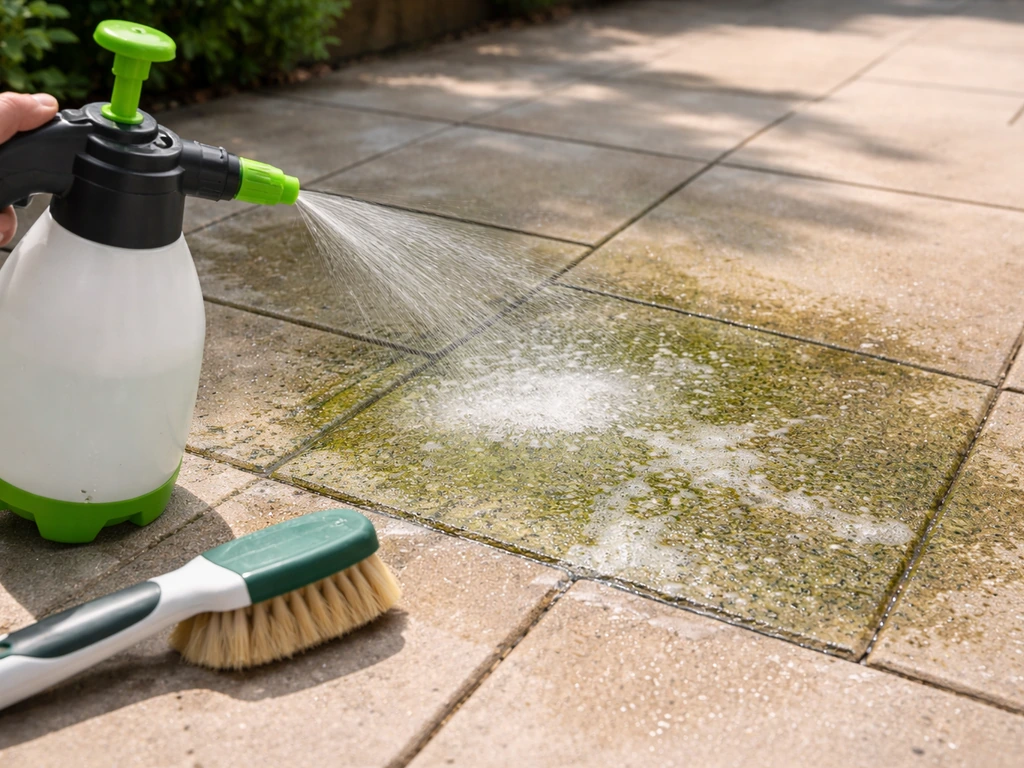
For most patios, a dedicated outdoor patio cleaner or a diluted bleach solution (around 1 part bleach to 10 parts water) applied with a stiff brush or pump sprayer is the most effective starting point. Which one you actually reach for depends on your surface material and what you're dealing with: green algae and moss, black mold, rust stains, grease, or general grime all respond to different treatments, and using the wrong product on the wrong surface can do real damage. This guide walks you through exactly what to use for your specific situation, how to apply it, and how to avoid the mistakes that ruin surfaces.
What Is Good for Cleaning Patios Use for Every Surface
Rhea Lang
28 Jun 2026
Match your cleaner to your surface and stain
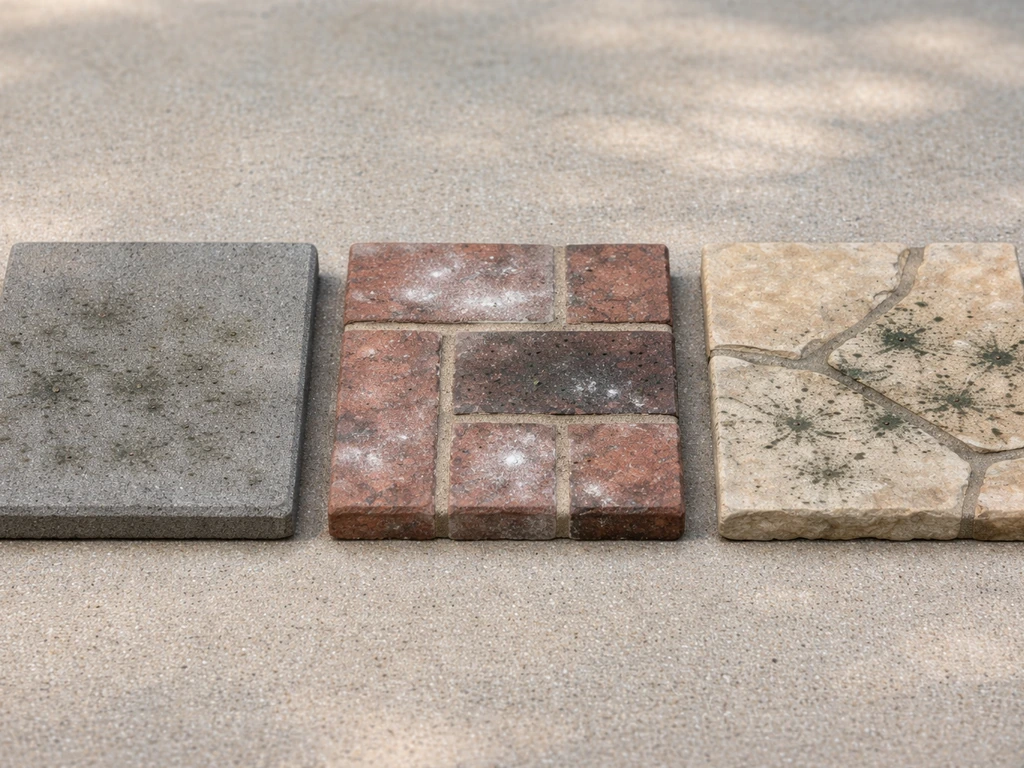
Before you buy anything, figure out what your patio is made of and what problem you're actually solving. This matters more than people realize. Bleach that kills algae on concrete in 10 minutes can etch sandstone or discolor slate. Acidic cleaners that cut through grease will eat into limestone. Getting this pairing right is the single most important decision you'll make.
| Surface | Safe cleaner types | Avoid | Best for |
|---|---|---|---|
| Concrete | Diluted bleach, patio degreasers, outdoor cleaners | Nothing major, but avoid acid on colored concrete | Algae, mold, grease, general grime |
| Brick | Diluted bleach, patio cleaners, mild acid for efflorescence | High-strength acid without dilution | Moss, algae, mortar stains |
| Natural stone (sandstone, limestone, slate) | pH-neutral stone cleaners only | Bleach, vinegar, lemon, ammonia, acid-based cleaners | Dirt, light biological growth |
| Porcelain/ceramic pavers | Most patio cleaners, diluted bleach | Abrasive scrubbers | Algae, staining, grease |
| Granite/hard stone | Diluted bleach, pH-neutral cleaners | Acid-based products | General cleaning, algae |
| Wood/composite decking | Dedicated deck cleaners, spot bleach for mildew only | Heavy bleach soaks, acid cleaners | Mildew, tannin stains, grime |
The biggest trap I see is people reaching for bleach on sandstone or limestone. LATICRETE's stone care guidance specifically flags bleach, vinegar, and ammonia as capable of etching and discoloring those surfaces. Stick to pH-neutral stone cleaners like STONETECH for anything soft or porous. For concrete and porcelain, you have a lot more flexibility.
The best patio cleaners and how to actually use them
Chemical cleaners
Diluted bleach is the workhorse for concrete, brick, and porcelain. Mix roughly 1. 5 cups of outdoor bleach (like Clorox Outdoor Bleach) into enough water to make a gallon, or follow the CDC's guideline of about 5 tablespoons per gallon. Apply it, let it sit for at least 10 minutes keeping the surface visibly wet the whole time, then scrub and rinse thoroughly.
Don't let it dry on the surface. The EPA's principle here is simple: the surface needs to stay wet for the full contact time for the cleaner to do its job. You might also want to look at what sodium hypochlorite concentration works best for different problems, since household bleach typically runs 5. 25 to 6.
15% sodium hypochlorite and you can adjust dilution based on how severe the growth is.
Concentrated outdoor cleaners like Krud Kutter Professional Outdoor Cleaner are excellent for general grime and biological growth on harder surfaces. The dilution ratio is about 7 oz of concentrate per gallon of water (roughly 1:19), applied with a pump-up sprayer using a low-pressure nozzle. Work in small sections so it doesn't dry before you rinse. These products are less aggressive than bleach and work well on surfaces where you're not sure how the material will respond. These products are less aggressive than bleach and work well on surfaces where you're not sure how the material will respond are patio cleaners any good.
No-scrub and leave-on products
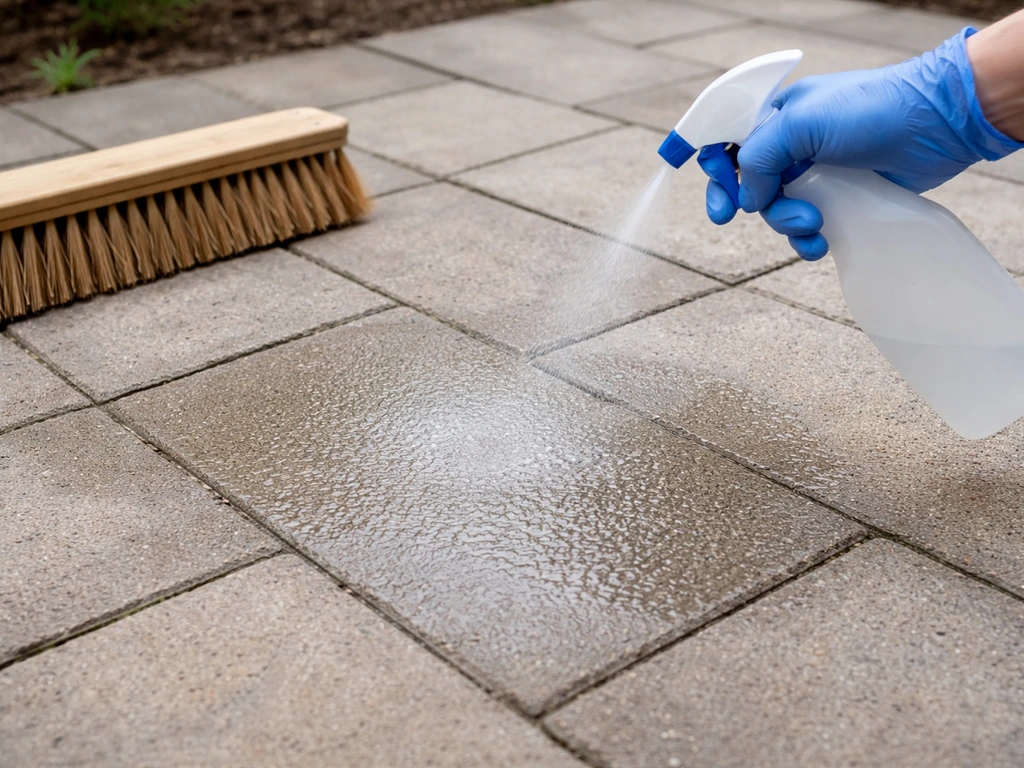
Wet and Forget is worth knowing about if you hate scrubbing. Its active ingredient is benzalkonium chloride (alkyl dimethyl benzyl ammonium chloride at 9. 9%), and the idea is you apply it, walk away, and rain and weather slowly remove the dead growth over weeks. It's genuinely low-effort for routine moss and algae control, but it's not a quick fix for a patio that needs to look clean by the weekend.
If you use a pink patio cleaner, it will only work well when you match it to your surface and the stain you are trying to remove quick fix for a patio that needs to look clean by the weekend. Think of it more as a maintenance tool than an emergency one.
Natural and low-chemical options
For people who want to avoid harsh chemicals, especially around pets or garden beds, hot water and a stiff brush handles light algae and general surface dirt surprisingly well. Washing soda (sodium carbonate) dissolved in warm water is another option that's tougher on grease than plain water but still relatively safe around plants.
I'd steer clear of vinegar and lemon juice on anything other than concrete, because their acidity causes real problems on stone and can degrade grout and mortar joints over time. If the idea of using bleach appeals to you but you want to explore alternatives, there are good detergent-based cleaners worth considering as well.
If you want the best detergent to clean patio surfaces, choose a product that matches your patio material and the specific mess you are dealing with.
pH-neutral cleaners for stone
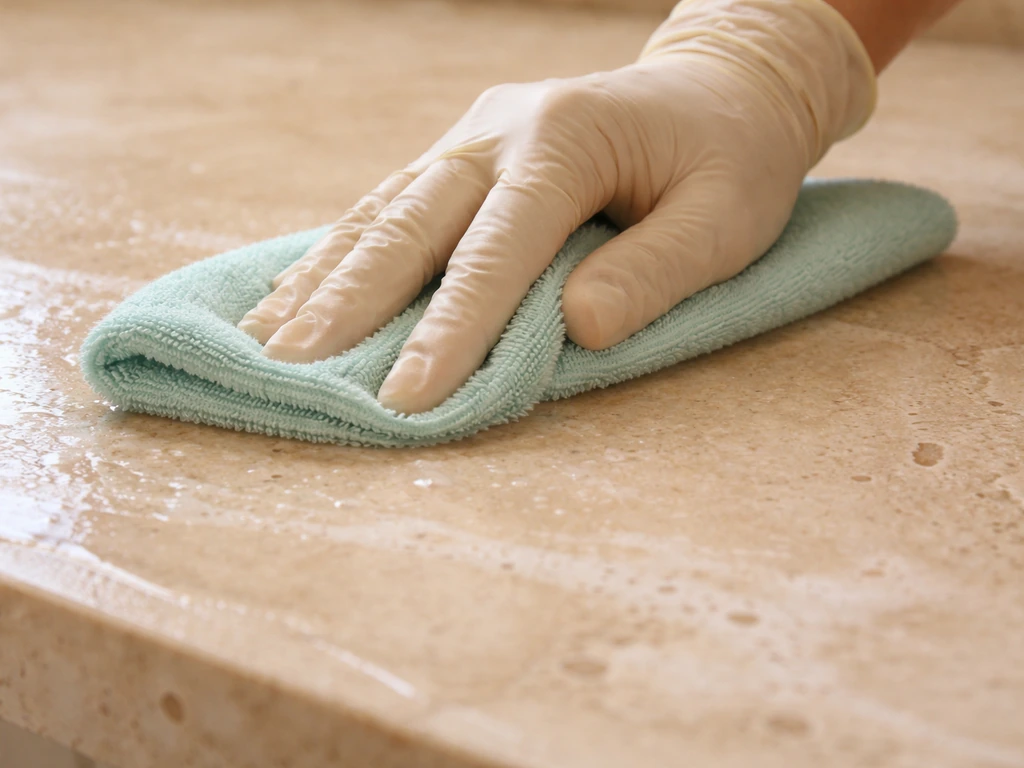
If you have sandstone, limestone, travertine, or any soft natural stone, pH-neutral is the only way to go. STONETECH Stone and Tile Cleaner is a well-regarded example: it handles everyday mess without degrading the surface. Apply it, agitate gently with a soft brush, and rinse. Don't use abrasive pads and don't use anything acidic or alkaline on these surfaces, ever.
Pressure washing vs scrub-and-rinse: which one you actually need
Pressure washing is faster and more satisfying, but it's not always the right call. Here's how to think about it.
Use a pressure washer when you're dealing with a large concrete, brick, or porcelain surface with heavy algae, embedded grime, or moss that's genuinely thick. For concrete, a 25-degree nozzle is your starting point for general cleaning, and keep the nozzle about 12 inches from the surface. Around 3,000 PSI handles most residential concrete jobs. For tougher spots on concrete or brick, a 15-degree nozzle concentrates the force more, but be careful: it increases the risk of scoring or surface damage if you linger too long in one spot. Never use a 0-degree nozzle on a patio surface.
For softer stones like sandstone, use much lower pressure and stay in the 800 to 1,000 PSI range. Slate and granite can handle 1,500 to 2,000 PSI, but still use a wide-angle nozzle and keep the wand moving. One thing I've noticed from experience: blank" rel="noopener noreferrer">a surface cleaner attachment makes quick work of large flat areas but can leave darker embedded algae or grime patches behind. Those patches usually need a chemical pre-treatment or some focused nozzle work to shift properly.
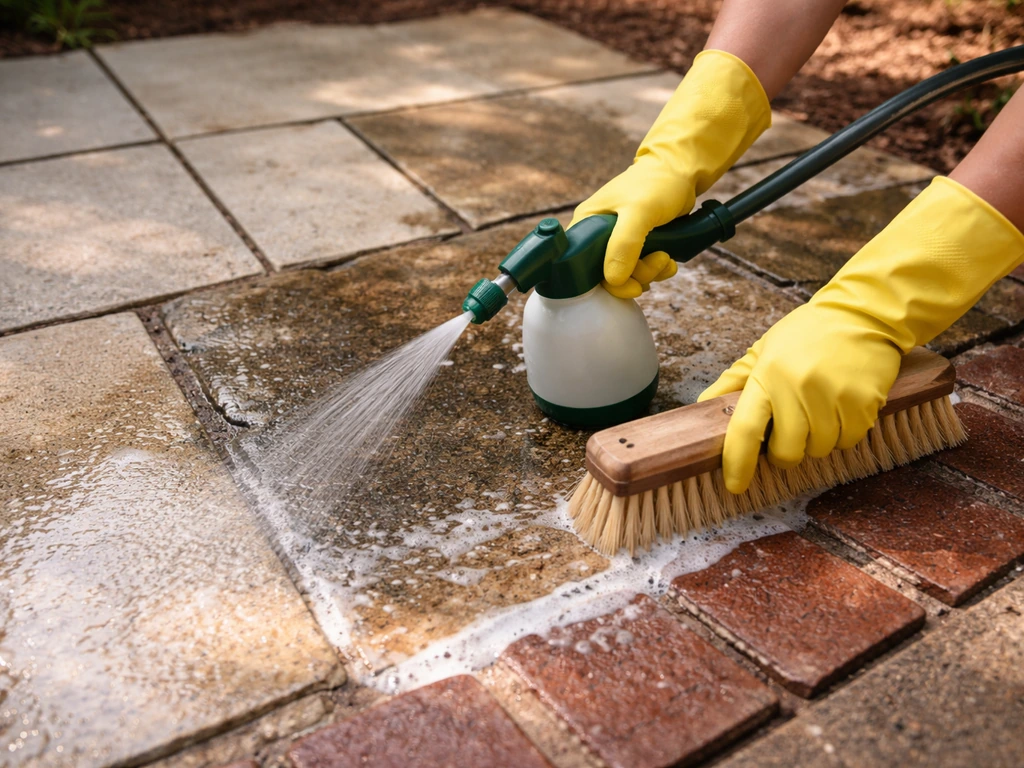
Scrub-and-rinse is the better approach for smaller patios, delicate surfaces, and situations where you don't want to risk pressure damage. For general patio cleaning, you can usually get good results with washing powder, but it depends on your patio material and the kind of grime or stains you're dealing with washing powder good for cleaning patios. Apply your chosen cleaner, let it dwell (at least 10 minutes for bleach-based products), scrub with a stiff-bristle brush, and rinse with a garden hose on a strong spray setting. It takes more effort but gives you more control, especially on uneven or textured surfaces where a pressure washer can catch edges and chip them.
How to remove specific problems
Mold and mildew
Diluted bleach solution is the most effective mold killer for concrete and hard surfaces. Apply, keep wet for 10 minutes, scrub, rinse. For surfaces that can't handle bleach, Moldex Non-Bleach Mold and Mildew Stain Remover uses an oxygen-foaming action and needs only a few minutes of dwell time. Be realistic about embedded mold stains: Concrobium (a popular non-bleach mold product) is honest in its own FAQ that deeply embedded stains can persist even after treatment. You can kill the mold and stop regrowth, but cosmetic staining in porous material sometimes can't be fully lifted. On wood or composite decking, DeckWise recommends only spot-treating mildew areas with bleach before applying a wood cleaner, not soaking the whole deck.
Algae and green growth
For concrete, brick, and porcelain, a bleach solution or dedicated patio cleaner with a 10-15 minute dwell time followed by scrubbing and rinsing is highly effective. For natural stone, use a pH-neutral cleaner and a soft brush. If you want a lower-effort ongoing solution, a product like Wet and Forget applied two or three times a year keeps algae from getting a foothold in the first place.
Moss
Moss needs to be physically removed first: scrape it off with a stiff brush or plastic scraper, then treat the area with bleach solution or a dedicated moss killer to prevent regrowth. Moss tends to come back quickly in shaded, damp areas. After cleaning, consider whether you can improve drainage or light exposure, because the moss will keep returning if the conditions are right for it.
Rust stains
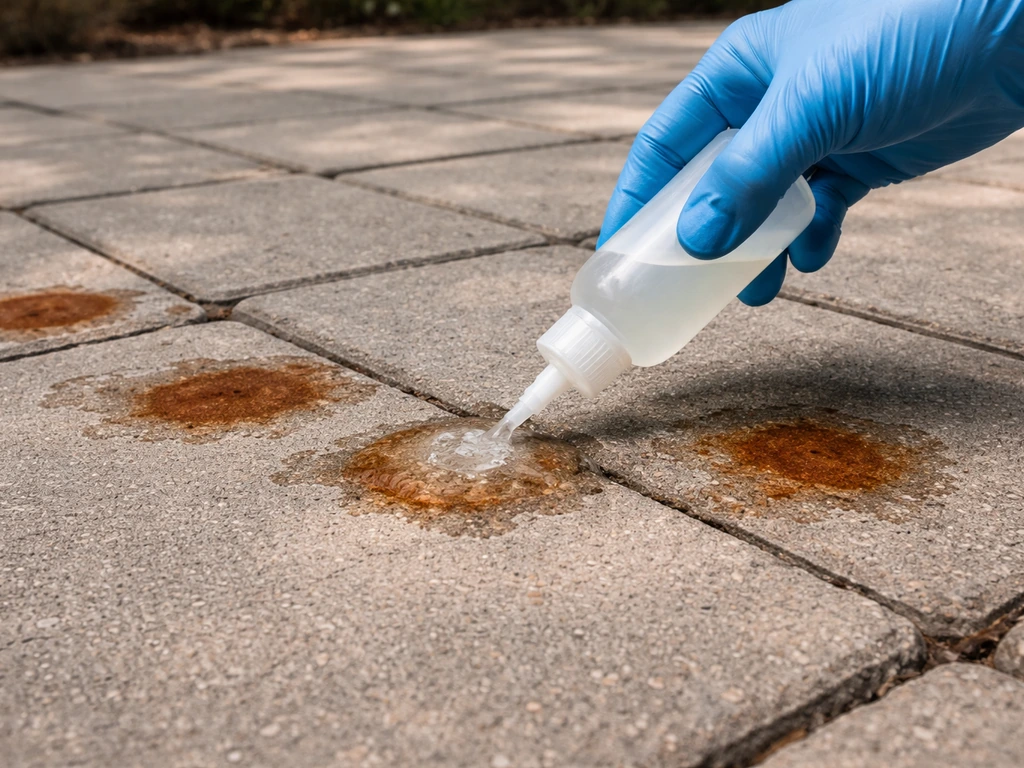
Rust stains on concrete or porcelain respond to oxalic acid-based rust removers. These are specialty products, not general cleaners. Apply to the stain, let it sit for the time specified on the label, scrub, and rinse thoroughly. Do not use oxalic acid on natural stone. For stone, the safest approach is a poultice made from an appropriate stone-safe product and applied as directed.
Grease and oil
Grease needs a degreaser, not just a cleaner. Products like Krud Kutter are formulated for this. Apply the diluted solution, let it dwell for several minutes, agitate with a stiff brush, and rinse. For fresh grease, absorb as much as possible with cat litter or sawdust first before applying any liquid. Old, dried-in grease may need a repeat treatment.
Pet stains and odors
Enzyme-based cleaners are the most effective option here because they break down the organic compounds causing both the stain and the odor, rather than just masking them. Apply generously, let the product work for the dwell time on the label (often 10 to 15 minutes), then rinse. Bleach will disinfect but it won't neutralize the odor compounds the way enzymes do. For porous surfaces like sandstone or unglazed brick, the urine can penetrate deep and may need more than one treatment.
Equipment and application tips
Brushes
For concrete and brick, a stiff-bristle deck brush on a long handle saves your back and covers ground quickly. For natural stone or grouted tile surfaces, switch to a medium-stiffness brush to avoid scratching. Never use wire brushes on any patio surface: they leave metal fragments that rust and stain. For grout lines, a smaller handheld stiff brush or even an old toothbrush gives you control.
Pump sprayers and hose attachments
A 2-gallon pump-up garden sprayer is one of the most useful tools for patio cleaning. It lets you apply diluted cleaners evenly across large areas without soaking yourself. Use a low-pressure spray setting so the liquid settles on the surface rather than bouncing off. For rinsing, a garden hose with a multi-pattern spray nozzle set to a strong jet is usually enough for the scrub-and-rinse method. You don't always need a pressure washer.
Pressure washer nozzle guide
- 0-degree (red): Do not use on patio surfaces. Too concentrated, will damage any surface.
- 15-degree (yellow): Heavy-duty concrete and brick only. Keep moving. Risk of scoring if you pause.
- 25-degree (green): Best all-around choice for concrete, porcelain pavers, and general patio cleaning.
- 40-degree (white): Good for lighter cleaning, rinsing, and more delicate surfaces.
- Surface cleaner attachment: Great for large flat areas, but may leave embedded algae behind that needs spot treatment.
Safety, protecting your surface, and stopping things from coming back
Safety basics
Wear rubber gloves and eye protection when working with bleach or any concentrated cleaner. Never mix bleach with other cleaning products, particularly ammonia-based cleaners: the combination produces toxic chloramine gas. Follow the safety guidance in Clorox Outdoor Bleach’s SDS, including reactivity and exposure-control sections, to help you avoid unsafe mixing and handle it with appropriate PPE blank" rel="noopener noreferrer">Never mix bleach with other cleaning products. Work in a ventilated area and keep pets and kids off the patio until it's fully rinsed and dry. Rinse surrounding garden beds and lawn edges with plain water before and after applying bleach-based solutions to dilute any runoff.
Protecting your surface
Once your patio is clean, sealing is the single most effective thing you can do to protect it long-term. Sealers reduce porosity, which means algae, moss, and stains have a harder time getting a foothold. Use a sealer appropriate for your surface: impregnating sealers for natural stone, surface sealers for concrete. Re-apply every one to three years depending on traffic and weather. For stone patios especially, the difference a good sealer makes to how easy the surface is to keep clean is dramatic.
Preventing regrowth
Biological growth (algae, moss, mold) thrives in shade and moisture. After cleaning, consider whether any overhanging trees or structures can be trimmed back to improve light and airflow. Sweep the patio regularly to remove leaf debris, which retains moisture and feeds algae. Applying a product like Wet and Forget once or twice a year after your main clean keeps biological growth suppressed without requiring a full cleaning session each time. It's much easier to maintain a clean patio than to restore a neglected one.
FAQ
Can I just use one cleaner for my whole patio, even if it has different materials (like concrete slabs with stone edging)?
It’s safer to treat each material separately. Even mild products can discolor edging or attack grout, so mask off boundaries (or clean by zones) and apply the correct chemistry to each surface, then rinse thoroughly to prevent residue from migrating between materials.
How do I know whether my patio is concrete, porcelain, or natural stone before choosing a cleaner?
Check labeling from the installer or look for a surface finish clue. Porcelain tends to be very uniform and dense, natural stone has visible grain and pits, and concrete is usually more porous with consistent texture. If you’re unsure, do a small hidden test spot with the gentlest pH-neutral cleaner first and watch for lightening, roughening, or darkening after drying.
Is it okay to use bleach outdoors if it rains soon after?
Bleach needs wet contact time to work, so avoid starting if rainfall is likely during the dwell window. If rain interrupts early, expect weaker results and plan to re-clean after the surface fully dries. Also rinse nearby plants before and after to reduce runoff damage.
How long should I wait before rinsing after applying a patio cleaner?
For bleach-based approaches, keep the surface visibly wet for at least the stated dwell time (the article’s baseline is 10 minutes) and only then scrub and rinse. For other cleaners, follow the label dwell time, but a practical rule is to avoid letting any product fully dry on the surface unless the product is specifically designed to be leave-on.
Can I use a pressure washer for stubborn algae on brick or concrete if I’m worried about damaging the surface?
Yes, but use it selectively. Keep a wider nozzle angle, avoid lingering in one spot, and start at lower pressure if your brick is older or has worn mortar. For patches that still look dark after washing, pre-treat with the appropriate chemical first rather than increasing pressure aggressively.
What’s the safest way to remove moss if it’s growing from joints or tiny cracks?
First scrape off the visible tops, then focus your treatment on the joints with a brush you can work into the crevices. After dwell time, scrub again to lift residual growth, rinse, and consider improving drainage or trimming nearby shade causes, otherwise regrowth is likely.
How do I handle bleach smells and residue, especially on patios adjacent to gardens?
Rinse surrounding beds and lawn edges with plain water before you start, then again after you finish rinsing the patio. Use thorough post-rinse until runoff water looks clear, and keep pets off until the surface is fully dry to prevent tracking residue.
Can I mix vinegar or ammonia with bleach if the first attempt doesn’t work?
No, never combine bleach with other cleaners, especially ammonia-based or acidic products. If you need a different chemistry, rinse the patio completely, let it dry, then switch to a compatible product after the area is safe and residue-free.
Do I need to scrub after using a leave-on product like an all-in-one algae treatment?
Often you do minimal scrubbing, but not always. Leave-on products are designed so rain and time remove dead growth, yet you may still see loosened material that needs sweeping or a light brush. If material remains stuck, spot-scrub that area rather than reapplying everywhere.
What should I do if bleach lightens or spots my patio after cleaning?
Let it fully dry first, then evaluate. If spotting appears, it usually means uneven dilution or insufficient rinsing. The next step is a repeat rinse and, if needed, a pH-neutral cleaner pass for concrete or porcelain, but avoid acidic or alkaline products that could worsen the uneven finish.
How do I remove rust stains on concrete without damaging grout or nearby stone?
Use an oxalic-acid rust remover only on compatible surfaces and keep it off natural stone. Protect grout lines with careful application (or mask them), apply for the labeled dwell time, then scrub and rinse thoroughly. If rust is on porous areas, plan for more than one treatment.
My patio smells like pet urine, will bleach remove the odor?
Bleach can disinfect, but it doesn’t reliably eliminate odor compounds in porous materials. Use an enzyme-based cleaner and let it work for the full label dwell time, then rinse. Expect multiple treatments for deep penetration, especially on unglazed brick or sandstone.
Are enzyme cleaners safe to use on all patio surfaces?
They’re generally safer than harsh oxidizers, but surface compatibility still matters. Test a small hidden area first, and avoid using them on surfaces where you’re relying on a specific finish protection. For natural stone and sealed surfaces, ensure the product is labeled for that material type.
What brush should I use if my patio is rough, like textured concrete, or has delicate grout?
Use a stiff-bristle brush for most concrete and brick, medium-stiff for grouted tile and natural stone, and avoid wire brushes entirely. For grout lines, a small dedicated brush or a toothbrush-like tool gives more control so you don’t gouge edges or dislodge mortar.
Should I seal immediately after cleaning?
Often it’s best to wait until the patio is completely dry and free of residue. If you seal too soon, you can trap cleaner chemicals or moisture and reduce sealer performance. Do a simple water test (water should bead or absorb evenly depending on sealer type) and follow the sealer’s cure and prep instructions.
Next Article
What Strength Sodium Hypochlorite for Patio Cleaning
Get exact sodium hypochlorite strengths, mixing, dwell, scrubbing, and rinsing for patio algae, mold, and stains by surf