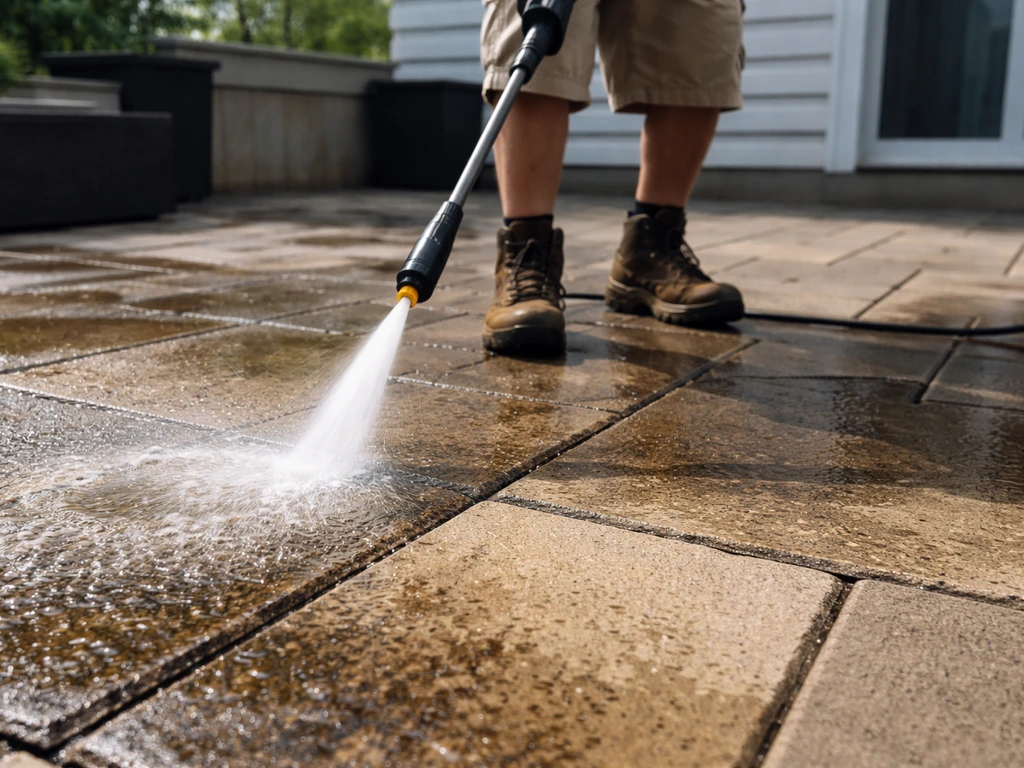
The best time to jet wash a patio is on a mild, overcast day with temperatures between 10°C and 25°C (50°F–77°F), no rain forecast for at least 24 hours, and no direct sunlight hitting the surface. Mid-morning, once any overnight moisture has lifted but before the sun gets high, is the sweet spot for most surfaces. That combination gives your cleaning products time to dwell properly, stops streaking caused by solutions drying too fast, and gives the patio long enough to dry fully before nightfall. If you are planning your next clean, the key question is how often to pressure wash a patio so grime and growth do not build up between sessions.
Best Time to Jet Wash Patio: Weather, Surface, Timing Tips
Rhea Lang
14 Jun 2026
What 'best time' actually means here (results vs. damage)
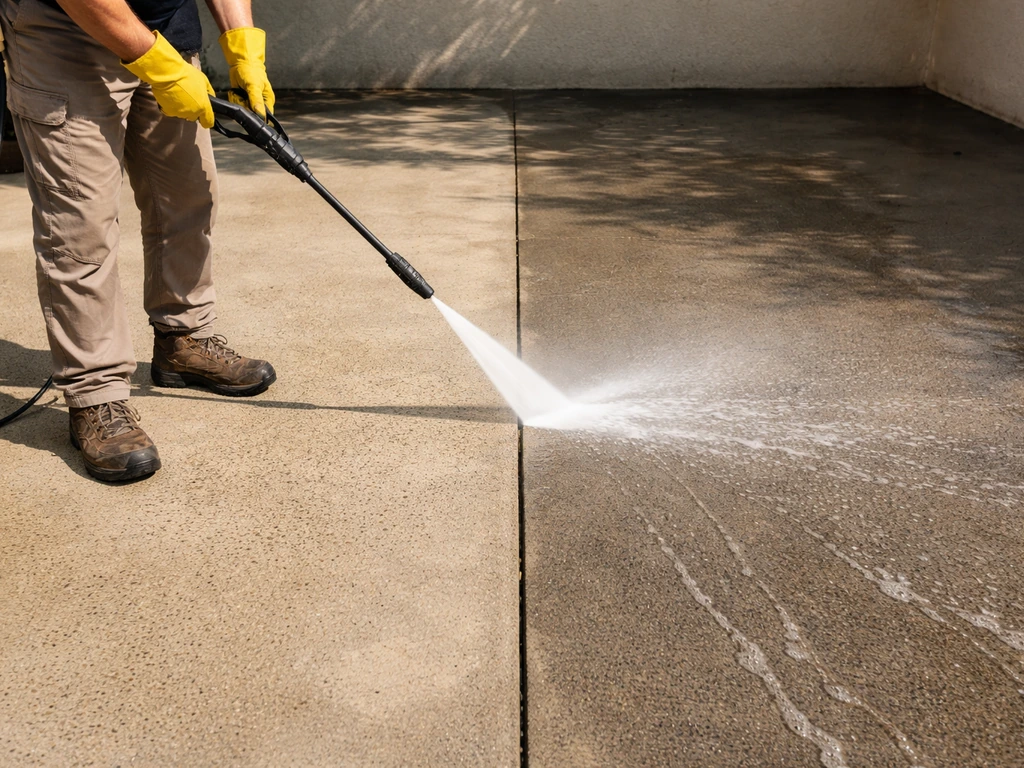
When people ask about timing for jet washing, they usually mean one of two things: when during the year, or what time of day. If you're also wondering how long it takes to pressure wash a patio, your timing will affect both dwell time and total drying time after cleaning timing for jet washing. Both matter, but they matter for different reasons. Getting the season wrong mostly affects results (algae comes back faster, the patio looks patchy). Getting the time of day wrong can actually cause damage or leave you worse off than when you started.
The biggest timing-related damage risks are etching soft surfaces with concentrated spray, pushing water into pores during the wrong conditions and triggering efflorescence (that white powdery salt bloom), and washing in direct heat so detergents dry before they rinse off and leave streaks. I've seen beautifully cleaned patios ruined by a sunny afternoon session that left white tide marks across every slab. It's genuinely one of the most common mistakes. Timing your jet wash correctly costs you nothing extra and saves you a lot of frustration.
The 'best time' question for jet washing overlaps closely with broader questions around when to power wash or pressure wash a patio, and the general seasonal planning principles are the same. If you're deciding when to power wash patio surfaces, follow the same weather and drying-window rules so you get results without damage when to power wash or pressure wash a patio. But jet washing introduces some specific considerations around dwell time for detergents, surface temperature at the moment of cleaning, and drying windows that are worth covering in detail.
Weather and temperature: the rules that actually matter
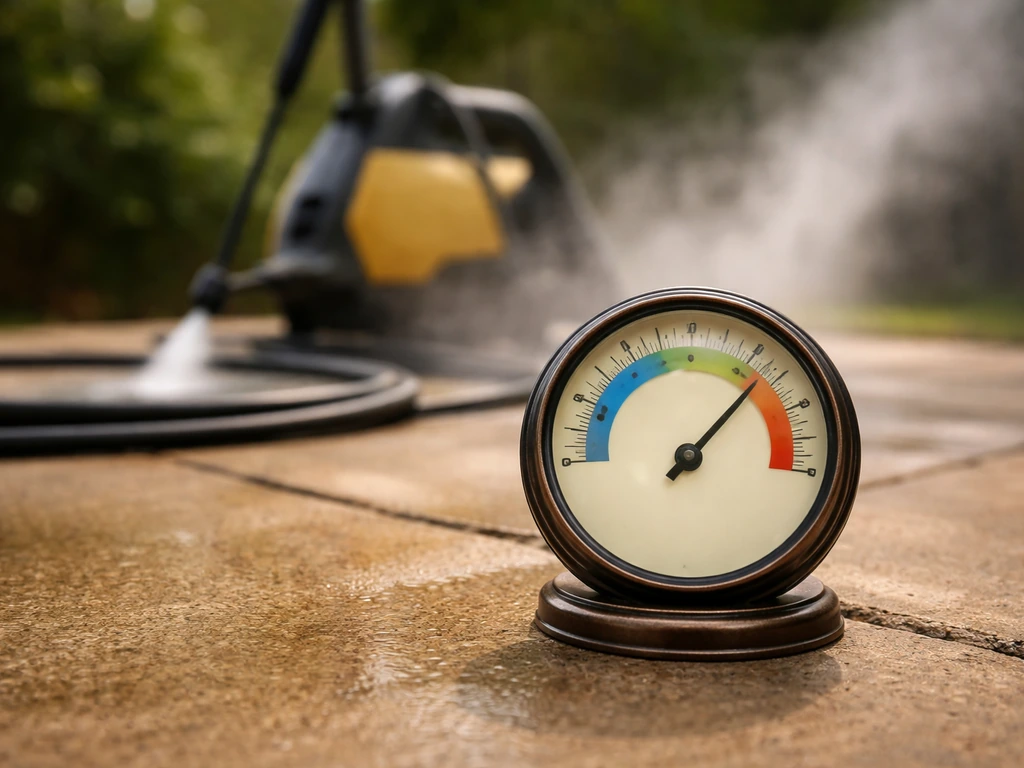
Temperature is the first filter. Avoid jet washing below 4°C (40°F): water can freeze in cracks after cleaning, expanding and widening existing fractures, and most patio cleaning detergents and biocides have minimum effective temperatures listed on the label (usually 5°C or above). At the other extreme, washing in high heat above 30°C (86°F) causes solutions to evaporate before they can work, and the surface itself expands, which on porous materials like sandstone or brick can force cleaned residue deeper as it contracts again during cooling.
Humidity matters more than most guides admit. High humidity (above 80%) significantly slows drying time after you've finished. On a humid August afternoon, a freshly washed stone patio can stay damp for six hours or more, which is long enough for algae spores to start re-establishing if you haven't applied a biocide. Aim for cleaning days where humidity is moderate and you have a decent breeze to help airflow across the surface.
Rain forecasts are non-negotiable. You need at least 24 hours of dry weather after cleaning for the surface to dry properly and for any applied sealant or post-wash treatment to cure. If you're applying a sealant after cleaning, most products need 48 hours. Check a reliable forecast the night before, not just the morning of. I've been caught out by afternoon showers that weren't on the morning forecast, and washing off a freshly applied sealer is genuinely painful.
Direct sunlight is the specific enemy of streak-free results. Washing a hot patio surface in full sun means your detergent dries faster than you can rinse it, leaving spots and streaks behind. An overcast day is almost always better than a blazing sunny one, even in summer. If you have no choice but to work in sun, do small sections and rinse immediately, don't let solution sit.
Best time of day by patio surface type
Different surfaces have slightly different ideal windows because of how they absorb heat, how porous they are, and how they respond to thermal shock from cold water hitting a hot surface.
Concrete patios
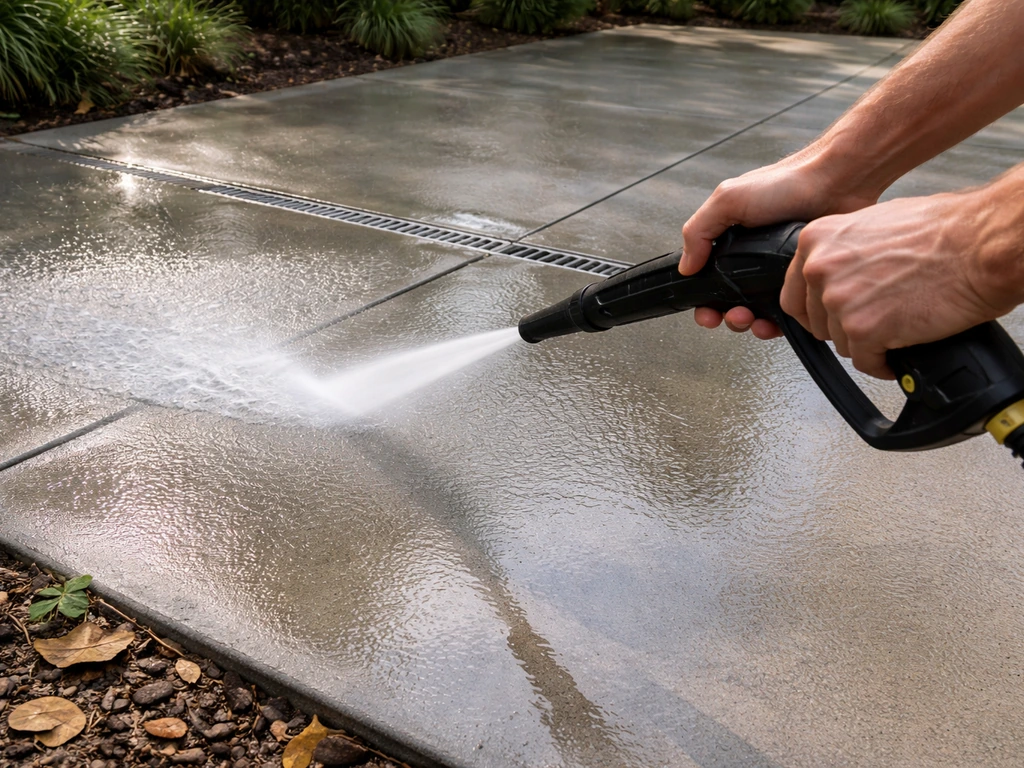
Mid-morning (around 9am to 11am) is best for concrete. The surface has had time to dry from overnight dew, it's not yet heated to full sun temperature, and you have maximum drying time ahead of you. Concrete is prone to efflorescence, especially if it's been recently installed or if you're in an area with high mineral content in the water. Avoid washing concrete in the evening: it holds moisture longer than stone, and a concrete patio that stays wet overnight is inviting salt movement through the slab. If efflorescence is already present, don't blast it with high pressure: that forces water into the pores and can drive salts deeper, making the problem worse when it dries.
Brick patios and clay pavers
For brick, the timing rules get stricter. Clay brickwork is genuinely not well-suited to high-pressure washing at all: the surface can erode and the face of the brick can be damaged. If you have clay brick and you're set on jet washing, use low pressure (well under 1500 PSI), a wide fan tip (40° minimum), and work in the coolest part of the day, early morning or late afternoon. Hydra Clean LLC also recommends using a low-pressure approach, starting with a wider 40° tip and lower PSI, to reduce the risk of damaging patio surfaces like etching or gouging. That way the brick isn't thermally stressed by cold water hitting a hot surface, and you're less likely to drive moisture into the mortar joints. Mid-morning on a mild day is safest. Avoid washing clay brick in direct afternoon sun.
Natural stone (limestone, granite, Indian sandstone)
Natural stone is porous and relatively soft compared to concrete. Early morning is the best window: the surface is cool, moisture from overnight hasn't fully evaporated yet but the stone isn't soaking, and the lower ambient temperature keeps your detergent active longer. Avoid stone in the afternoon heat: thermal expansion on hot stone can open surface pores, and cold water hitting a hot sandstone or limestone slab can cause micro-cracking over time. Use a 25° to 40° tip, start at the wider end, and keep the nozzle moving continuously. Never linger in one spot.
Slate, porcelain, and smooth tiles
Slate and porcelain are more forgiving in terms of surface damage from pressure, but they're unforgiving about detergent residue. On a smooth porcelain surface, any dried soap or chemical residue is immediately visible. Wash these surfaces early morning or on an overcast day, work in sections small enough to rinse before anything dries, and never let cleaning solution sit on polished or semi-polished porcelain in direct sun. Slate can be slippery when wet for a long time after washing, so factor in drying time before foot traffic returns.
| Surface | Best time of day | Key timing risk | Pressure tip |
|---|---|---|---|
| Concrete | Mid-morning (9–11am) | Efflorescence from evening damp | 25° tip, medium PSI |
| Clay brick | Early morning or late afternoon | Surface erosion, mortar damage | 40° tip, low PSI only |
| Natural stone (sandstone, limestone) | Early morning | Thermal shock, pore expansion in heat | 25–40° tip, keep moving |
| Slate | Morning or overcast | Residue in grooves, slippery surface | 25° tip, rinse fast |
| Porcelain tiles | Morning or overcast | Detergent streaking in sun | 25–40° tip, small sections |
Scheduling around specific problems
Mold, algae, and moss
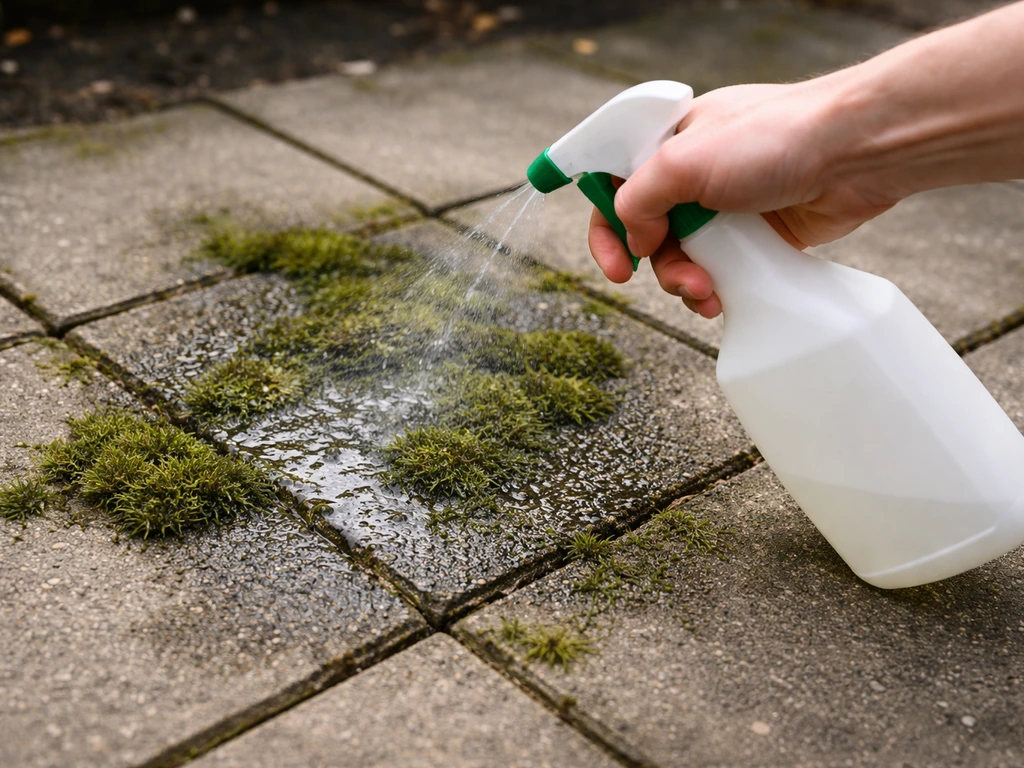
For algae, moss, and mold, the best approach is a two-stage process and timing the stages correctly is critical. Apply a biocide or patio cleaner first and let it dwell for the time stated on the product (usually 15 to 30 minutes, sometimes up to an hour for heavy moss). Do this application on a dry surface, ideally when you're not expecting rain for at least 4 to 6 hours after application so the product can work rather than wash off. Then return with the jet wash. Doing both steps on the same morning works well: apply biocide at 9am, jet wash at 9:45am or 10am. Scheduling this in spring (March to May) catches algae and moss before they fully establish for summer, and a late-season clean in September gives you a head start before winter damp sets in. These are the two best seasonal windows for tackling biological growth.
Grease and rust stains
Grease responds to degreasers that need warm (not hot) surface temperatures to activate properly: aim for surface temps above 10°C but not baking-hot midday sun. A mid-morning slot in late spring or summer works well. Apply the degreaser, let it penetrate for 10 to 20 minutes, then hit it with the jet wash. Rust stains need an oxalic-acid-based treatment applied on a dry surface, left to work for at least 30 minutes, then rinsed thoroughly. Don't do this in windy conditions: the treatment can drift onto plants and cause damage. Always do a proper pre-rinse of surrounding plants before and after any chemical application.
Pet stains and organic odours
Pet urine and organic stains need an enzyme-based cleaner that requires time and warmth to activate. Apply it when the surface temperature is above 10°C and ideally in mild sun or warm ambient temperature (15°C to 20°C is ideal). Leave it for at least 20 to 30 minutes, and don't let it dry out: if it starts drying before you rinse, reapply a light mist of water to keep it active. Jet wash after the dwell time. Morning is best for pet stain work: the surface isn't scorching hot, the enzyme cleaner stays active, and you have the rest of the day for drying.
How to prep before you start
Prep directly affects your timing because it changes how long the full job takes. If you skip it, you'll spend time mid-job moving things you should have moved first, or you'll finish and realise you've washed chemical overspray onto something you didn't want to treat.
- Clear furniture, pots, and ornaments off the patio completely. Even items you think are out of spray range will get hit with chemical mist.
- Sweep or blow off loose debris, leaves, and dirt before you jet wash. This stops debris blocking drains and means your jet washing is doing real cleaning, not just shifting loose material around.
- Cover nearby plants, especially low-growing ones adjacent to the patio edge. Use old sheets or plastic sheeting. Pre-wet plants with clean water so any overspray is diluted rather than concentrated on leaves.
- Check your drain and make sure it's clear. A blocked drain during jet washing can cause chemical-laden water to pool and run onto grass or into flowerbeds.
- If you're using a chemical cleaner or biocide, read the dwell time and temperature requirements on the label before you start. Set a timer on your phone. Many people apply product and then forget it's been 45 minutes when they meant to rinse at 30.
- For electrical safety outdoors: keep your pressure washer plug protected from spray and use an RCD (residual current device) adaptor between the machine and the outlet. This is non-negotiable when working with water near electrical equipment.
- Check water temperature if using a machine with heating capability: most cold-water pressure washers have an upper operating limit around 145°F (roughly 63°C) for the incoming water supply. Exceeding this can damage seals and pump components.
What to do immediately after jet washing
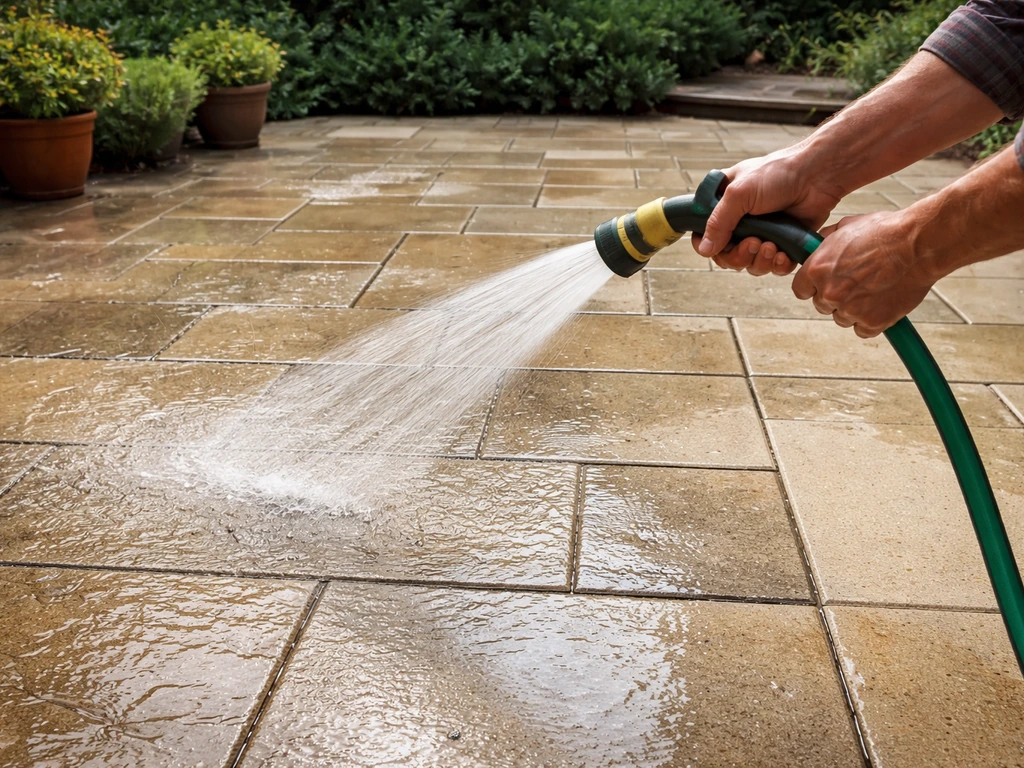
The aftercare window is where a lot of people lose the gains they've just made. Once you've finished jet washing, do a final rinse of the entire surface with clean water, working from the highest point to the lowest so you're always washing runoff away from clean areas. This removes any remaining detergent film and reduces the risk of streaking as it dries.
Let the patio dry in open air, ideally with airflow. Avoid covering it or placing furniture back on it until it's fully dry to the touch. On a mild day with a breeze, most concrete and stone patios will be dry enough for light foot traffic within 2 to 4 hours. Full drying before sealing takes longer: 24 hours minimum, 48 hours preferred, and always check the specific sealant product guidance.
One thing I'd flag from the research: avoid placing the freshly cleaned patio in direct, intense sun immediately after washing. Direct sun can pull residual moisture to the surface rapidly, which on porous or cementitious surfaces can trigger that white efflorescence bloom. If you've just cleaned a concrete or mortar-jointed surface on a sunny day, consider whether temporary shading is practical while it does its initial drying phase, especially in the first hour.
If you're applying a patio sealer after cleaning, the window matters. Most penetrating sealers need the surface to be bone dry (moisture meter reading under 4% for concrete, zero visible surface dampness for stone). Apply on a dry day with no rain forecast for 48 hours. Evening application is often better than midday because you avoid sun-baking the sealer before it's penetrated fully.
If algae or mold returns within a few weeks of cleaning, it usually means either the biocide dwell time was too short, the surface wasn't fully dry before conditions turned damp again, or no sealant was applied. Consider reapplying a post-wash biocide treatment and giving the patio a proper sealing once it's fully dried. This is where timing the follow-up clean in spring makes more sense than autumn: you have more dry, warm days ahead of you to allow sealing and curing.
Quick checklist: cleaning today?
Run through this before you pull the jet washer out. If you hit a 'no' on any of the first four, it's worth reconsidering or adjusting your plan.
- Temperature is between 10°C and 25°C (50°F–77°F): yes or no?
- No rain forecast for the next 24 hours (48 hours if sealing after): yes or no?
- Surface is not in direct full sun right now, or will you be done and rinsed before it heats up: yes or no?
- Humidity is moderate, not a muggy or foggy morning: yes or no?
- Furniture and plants are cleared and protected: done?
- Drains are clear and you've swept loose debris: done?
- RCD adaptor is connected between machine and power outlet: done?
- Detergent or biocide dwell time is set on a timer: done?
- You're starting with a 25–40° nozzle at low-to-medium PSI, not a zero-degree tip: confirmed?
- You have a plan for final rinse and know when you'll allow furniture back: yes?
If today's weather isn't ideal but you're planning for next weekend, aim for a Saturday morning after a dry week if possible. Surfaces that have had several dry days beforehand are cleaner to work with, biocides penetrate better into dry organic growth, and you're less likely to be fighting residual moisture from recent rain. Mid-spring and early autumn remain the two best seasonal windows for annual patio maintenance, for most UK and northern European climates especially. The best time to clean a patio in the UK is usually when the weather is dry and the surface is cool enough to prevent detergent from drying too quickly. If you want the best time of year to clean patio surfaces like yours, plan around mid-spring or early autumn for the most reliable results two best seasonal windows for annual patio maintenance.
FAQ
What should I do if I start mid-morning but then the forecast changes and rain is likely soon?
Stop the job and reschedule. If rain arrives within about 4 to 6 hours of applying biocide or patio cleaner, it can wash the product off before it has worked. If you have already jet washed, heavy rain right after can reopen dirt pathways while the surface is still curing, especially on porous stone and mortar joints.
How do I tell whether my patio is dry enough for sealing after jet washing?
Use a simple moisture check rather than guessing by touch. For concrete, aim for a very low moisture reading (often referenced as under 4% on a moisture meter), and for stone use visual checks for dampness plus a longer wait if the patio stays cool at night. If the patio is even slightly cool to the touch in the morning, it often still has trapped moisture.
Is it safe to jet wash right after removing weeds or after applying a weed killer?
Be cautious. Many weed killers need time to take effect, and jet washing too soon can remove residues before the chemical works or can spread runoff into the root zone. If you recently sprayed a systemic herbicide, wait several days per the label, then do a targeted rinse first, and only then consider jet washing the whole patio.
Why does my patio look clean immediately but develop white powder or spots a few days later?
That pattern often points to efflorescence from salts moving through the slab as it dries, which is more common on concrete and mineral-rich areas. Jet blasting existing efflorescence can worsen it by forcing water and salts deeper. Focus on controlling timing, allow thorough drying, and consider using the manufacturer’s recommended treatment for salt bloom before any sealing.
What’s the safest way to jet wash near plants and grass?
Treat runoff like a delivery method for chemicals, not just water. Do a pre-rinse of nearby vegetation, avoid working in strong wind when using oxalic acid or biocides, and rinse plants again after chemical dwell times. For sensitive plants, consider covering the root zone temporarily or using lower-pressure settings with a wider fan.
Can I jet wash a patio with a sealer or treatment already on it?
Often yes, but you need to match the cleaning approach to the existing finish. Some sealers can haze or soften with aggressive pressure or harsh detergents. Start with the gentlest method that removes grime, test a small inconspicuous area, and avoid letting detergent sit on the surface in direct sun because residue can become trapped under the sealer.
Does jet washing always improve algae, or can it make growth come back faster?
Jet washing alone can reduce surface slime, but regrowth usually comes back faster if you skip the correct treatment and timing. For algae and moss, apply a biocide on a dry surface with the recommended dwell time, then jet wash. If growth returns within weeks, the dwell time or drying window after treatment was likely insufficient, and sealing may also be needed.
How small should I make the sections I work in to avoid streaks and residue?
Use sections you can rinse before any visible drying starts, especially on porcelain and any smooth surfaces. Practically, that usually means working top to bottom in manageable areas and keeping a tight loop of apply or dwell, then rinse immediately. If you notice a film that goes from wet sheen to matte quickly, your sections are too large or the sun is too strong.
What are common mistakes with nozzle distance and pressure settings?
The biggest issue is lingering too close, which can etch or open pores. Follow surface-specific guidance, keep the nozzle moving continuously, and avoid concentrated spray on soft materials. For clay brick, keep pressure well under typical concrete levels and use a wider fan to reduce surface erosion and mortar damage.
Can I jet wash in the evening to avoid the sun?
It depends on drying time. Evening washing can extend moisture retention and increase the risk of salt movement or ongoing dampness, which can encourage efflorescence on concrete and increase slip risk on slate. If you must work later, plan extra drying hours, keep traffic off the surface longer, and avoid sealing the same day.
Next Article
When to Power Wash Patio: Timing and Material Tips
When to power wash patio by season, weather, and drying time, plus how to choose methods for concrete, stone, brick, sla