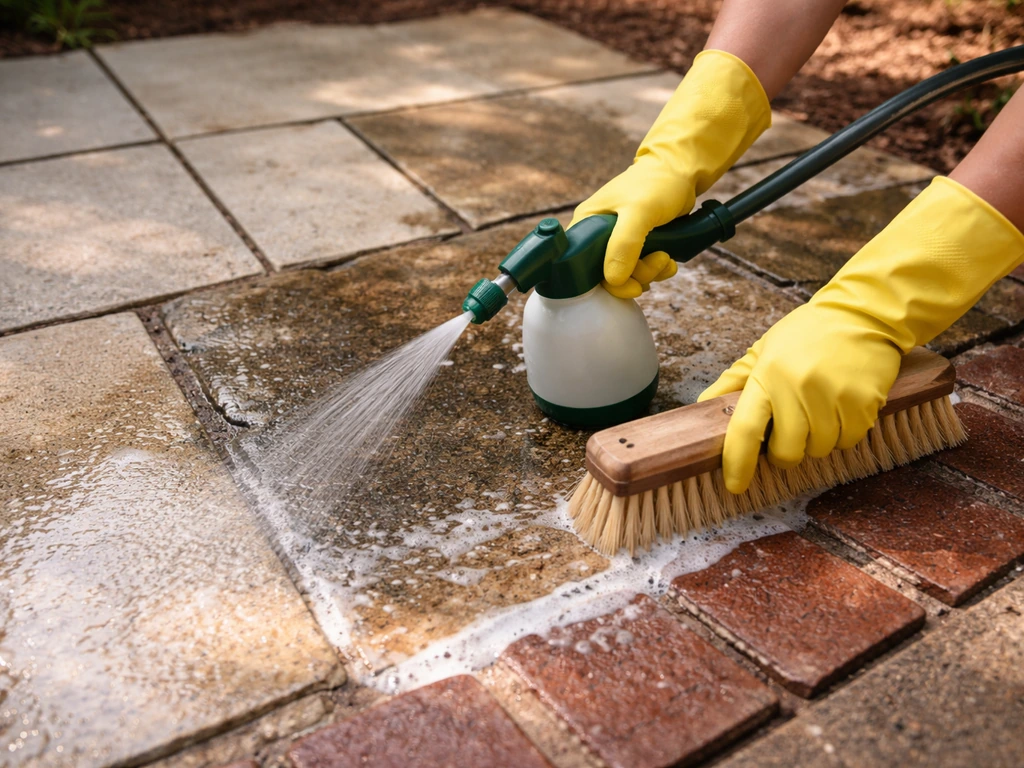
Washing powder can clean a patio, but only for the right type of dirt and on the right surfaces. For everyday grime, light grease, and a thin film of algae, it does a decent job because the surfactants lift and suspend soil so it rinses away.
Is Washing Powder Good for Cleaning Patios? How to Use It Safely

Rhea Lang
2 Jul 2026
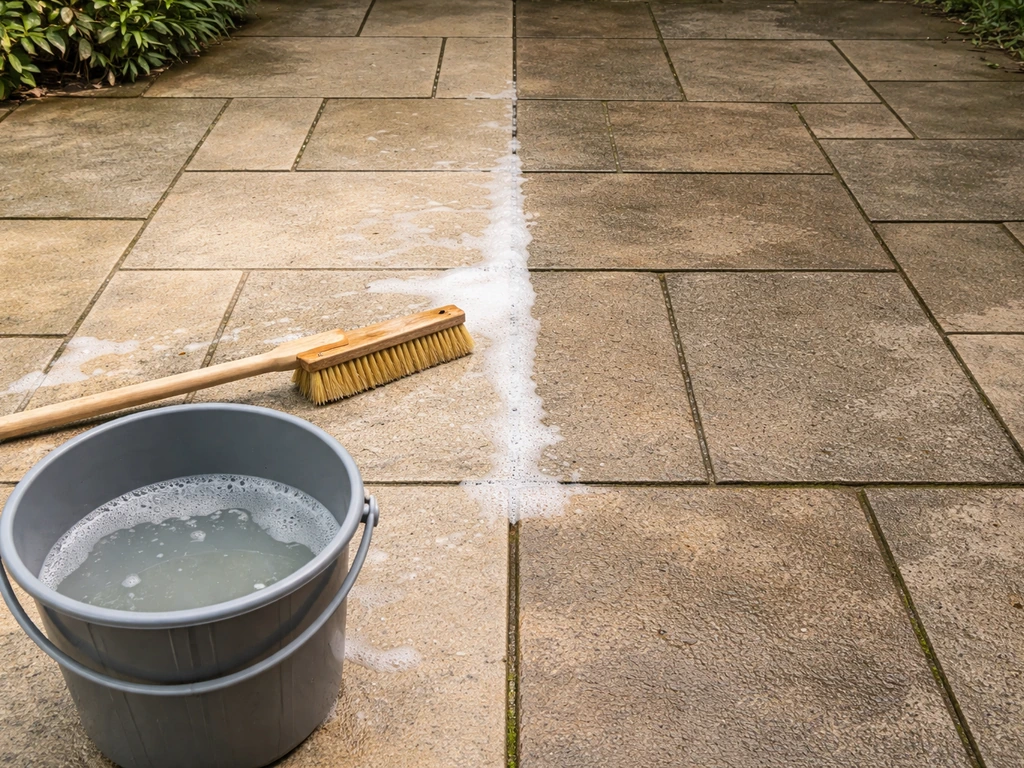
The problem is that it leaves residue if you don't rinse aggressively, it won't touch heavy moss, rust, or deep organic staining, and on certain surfaces like sandstone or natural stone it can cause real damage. So: yes with caveats, and those caveats matter quite a bit depending on what you're dealing with.
If you want a quick answer, start by matching the cleaner to the type of patio surface and the specific dirt you are trying to remove clean a patio.
What washing powder can (and can't) remove from patios
Washing powder works through a combination of surfactants, builders, and in many formulations, enzymes and a small amount of bleach. One ingredient overview of laundry detergent describes typical ingredient categories and approximate weight ranges, including builders (~50%), surfactants (~15%), bleach (~7%), and enzymes (~2%) blank" rel="noopener noreferrer">typical laundry detergent ingredient categories and approximate weight ranges. Surfactants lower water's surface tension and get underneath loose soil, enzymes target organic materials like grease, proteins, and carbohydrates, and the alkalinity from builders helps cut through general grime. On a patio, that translates to decent performance on a specific list of problems.
- General dirt, dust, and mud tracked onto the surface
- Light cooking grease or pet food residue around outdoor dining areas
- A thin green algae film just starting to form (early-stage growth)
- Food and drink spills that haven't soaked in deep
- General dullness from atmospheric buildup
That's a useful but fairly narrow list. Where washing powder runs out of road pretty quickly is anything that's established itself into the surface or chemically bonded with the material.
- Thick or established moss and algae (needs an active biocide, not just a surfactant)
- Rust stains from garden furniture or metal fixings (needs an acid like oxalic acid)
- Deep black lichen (typically needs a dedicated patio cleaner or pressure washer)
- Efflorescence (white salt blooms) — washing powder can actually make this worse
- Ground-in oil or cooking fat that's been baked in by sun and heat
- Pet urine stains that have dried and soaked into porous stone
I've tested this myself and the honest summary is: if the surface looks like it just needs a good wash, washing powder is fine. If the surface looks like it needs treating, you're going to be disappointed and potentially leaving a bigger mess than you started with.
Surface compatibility: concrete, brick, stone, slate/sandstone, porcelain
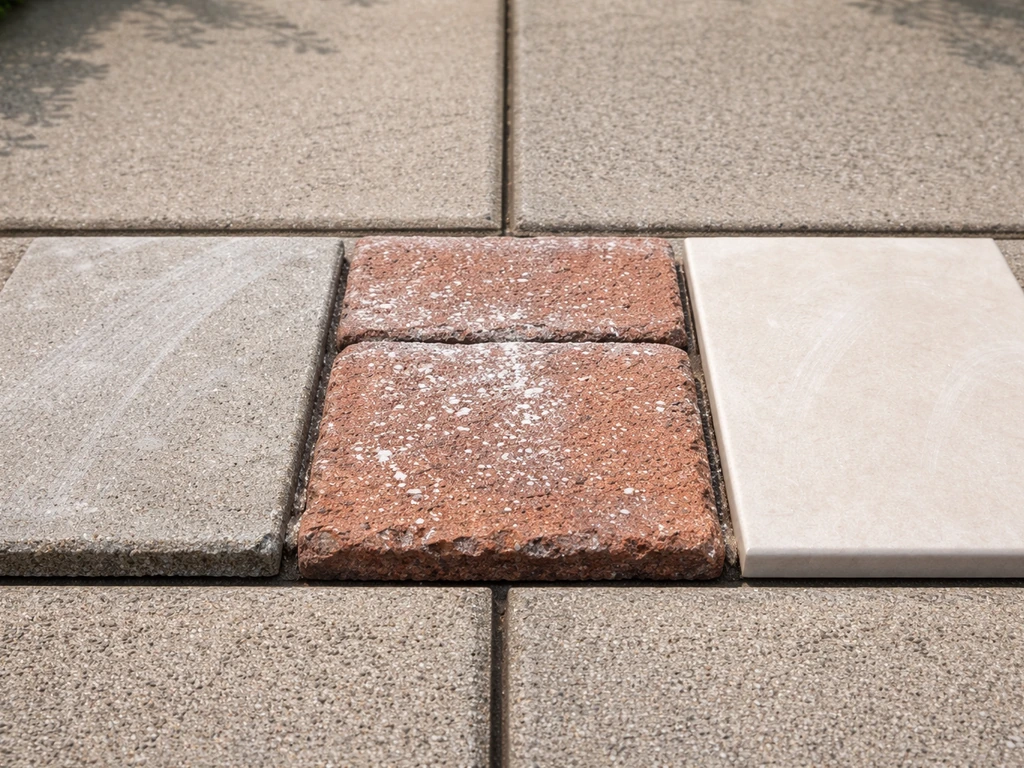
Not all patio materials respond the same way to washing powder, and this is where a lot of people make costly mistakes. The key risk factors are optical brighteners (which can leave a chalky tint on dark surfaces), alkalinity (which can interact with certain minerals in natural stone), residue retention (which is much higher on porous materials), and grout sensitivity.
| Surface | Washing Powder Safety | Main Risk | Verdict |
|---|---|---|---|
| Concrete | Generally safe | Residue buildup in texture, possible mild efflorescence if not rinsed | Fine for light cleaning with thorough rinsing |
| Brick | Use with caution | Residue trapped in mortar joints, can contribute to efflorescence bloom | Dilute well and rinse hard; avoid if joints are already showing salt deposits |
| Flagstone / Natural stone | Use with caution | Alkalinity and optical brighteners may affect colour; residue in porous surface | Test spot first; avoid on light-coloured or acid-sensitive stone |
| Sandstone / Slate | Risky | Porous surface traps detergent residue; can cause streaking or tonal change | Not recommended; use a non-ionic detergent at minimal concentration if anything |
| Porcelain / Smooth pavers | Generally safe | Residue can leave streaks on glossy surface if not fully rinsed | Works well if rinsed thoroughly; good low-risk option for this surface |
Sandstone and slate deserve an extra mention. Technical masonry guidance recommends that when detergent is used on these materials at all, it should be a non-ionic detergent at the lowest effective concentration, applied with low mechanical energy and rinsed thoroughly. Most standard washing powders are not non-ionic, and many include optical brighteners that can affect the appearance of natural stone. If your patio is sandstone or slate, I'd skip washing powder entirely and go straight to a purpose-made stone cleaner.
How to use washing powder safely on a patio
If you've decided washing powder is appropriate for your surface and your type of dirt, the method matters. Getting this wrong is how you end up with streaks, chalky patches, or a slippery film that's worse than what you started with. The single biggest mistake people make is using too much powder. More is not better here, excess detergent is harder to rinse out, builds up in surface texture and grout lines, and can leave exactly the kind of residue problem you're trying to avoid.
- Mix your solution: roughly one to two tablespoons of washing powder dissolved thoroughly in a full bucket (about 10 litres) of warm water. Warm water helps the powder dissolve properly and avoids undissolved granules sitting on the surface.
- Pre-wet the patio surface with plain water first. This stops the detergent from being absorbed straight into dry porous material before it has a chance to work.
- Apply the solution and let it dwell for five to ten minutes. Don't let it dry out on the surface, especially in sun.
- Scrub with a stiff-bristle brush. Work in sections, focusing on grimy areas. For large concrete slabs, a deck brush on a long handle speeds this up considerably.
- Rinse aggressively. This is the critical step. Use a hose at full pressure or a pressure washer on a low-to-medium setting and rinse in overlapping passes. You need all the detergent off the surface, not just most of it.
- Check for residue while wet. Run your hand over the surface — if it feels slippery or soapy, rinse again.
- Allow to dry and inspect. Residue often only shows up once the surface dries, so check before you call it done.
On very porous surfaces like old brick or natural stone, rinse twice even if the surface feels clean. Detergent residue that dries into porous material can re-dissolve with the next rain and migrate to the surface, contributing to white salt-like deposits, which is the opposite of what you wanted.
When you should NOT use washing powder on a patio
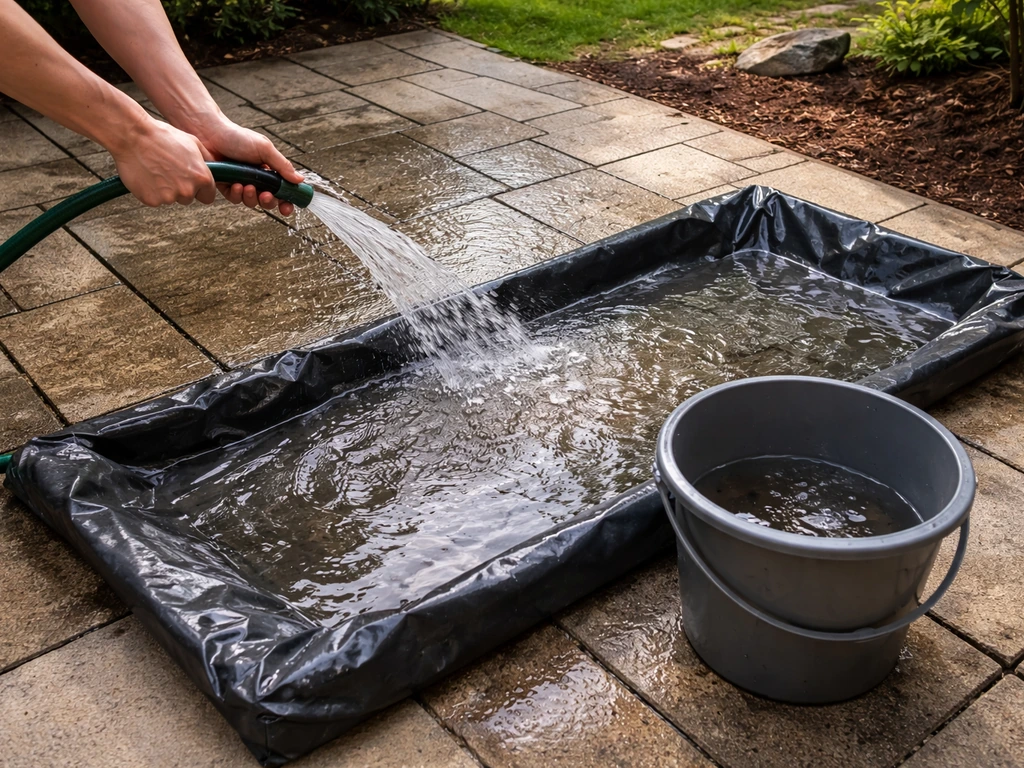
There are specific situations where washing powder is the wrong call and using it will either waste your time, leave new problems, or damage the surface. Know these before you start.
- Efflorescence already present: the salt deposits that cause white chalky bloom on masonry are made worse by water and generic cleaners. Washing powder won't dissolve them and can introduce more moisture-driven salt migration. You need a sulfamic acid-based solution for this.
- Rust stains from metal furniture or fixings: no amount of scrubbing with washing powder will shift iron oxide staining. You need an oxalic acid-based product (found in products like Zud or dedicated rust removers).
- Heavy moss, lichen, or established algae: the biocide content in washing powder is minimal at best. You're scrubbing organic growth that has rhizoids anchoring it into the surface — it needs a proper algae/moss killer with active chemistry.
- Sandstone, limestone, or acid-sensitive natural stone: the alkalinity in most washing powders can interact with these materials. Risk of tonal change, fading, or subtle etching over time.
- Grout lines that are already deteriorating: the water and alkalinity combined with scrubbing can loosen and erode softened cement grout.
- Any surface where you can't rinse thoroughly: if it's hard to get a hose into the area or water drains poorly, the residue risk is too high.
I learned the efflorescence point the hard way on a concrete path I'd been cleaning with general household detergent for two seasons. The white bloom got progressively worse, and only switching to a proper masonry cleaner with targeted chemistry resolved it. Washing powder was feeding the problem, not solving it.
Better alternatives for common patio problems
Washing powder is a generalist. Most serious patio problems need a specialist. Here's what actually works for the common issues you're likely dealing with.
Algae, mold, and moss
For organic growth, oxygen bleach products based on sodium percarbonate are a significant step up from washing powder. They release hydrogen peroxide in solution, which oxidises and kills organic material without the corrosive risk of chlorine bleach. Apply, let it dwell for 15 to 30 minutes, scrub, and rinse. For established moss or thick algae, a dedicated patio biocide or path and patio cleaner with active algaecide chemistry will do the job in one pass rather than requiring repeated treatments. Bleach-based patio cleaners are also worth looking at for stubborn organic growth. For tough stains like moss and thick algae, the best bleach for cleaning patio is usually an oxygen-based patio cleaner rather than chlorine bleach.
Grease and cooking residue
For serious grease around BBQ areas or outdoor kitchens, Trisodium Phosphate (TSP) is the heavy-duty degreaser of choice for exterior masonry. Mix and apply according to the product instructions, let it work on the grease, then scrub and rinse. It's significantly more aggressive than washing powder and will cut through baked-in fat that a surfactant-based cleaner simply can't touch. Be aware that TSP has environmental implications and should not be allowed to drain into water courses or storm drains.
Rust stains
blank" rel="noopener noreferrer">Oxalic acid is the standard chemistry for iron and rust staining on outdoor surfaces. It works by chelating the iron ions and lifting them out of the surface. Products containing oxalic acid are widely available and are specifically formulated for this. No general-purpose detergent, including washing powder, will have any meaningful effect on rust. Chlorine is usually intended for mildew control, but for patios it can be harsh and may damage surfaces, so you should match the cleaner to the problem and material No general-purpose detergent, including washing powder.
Pet stains and urine
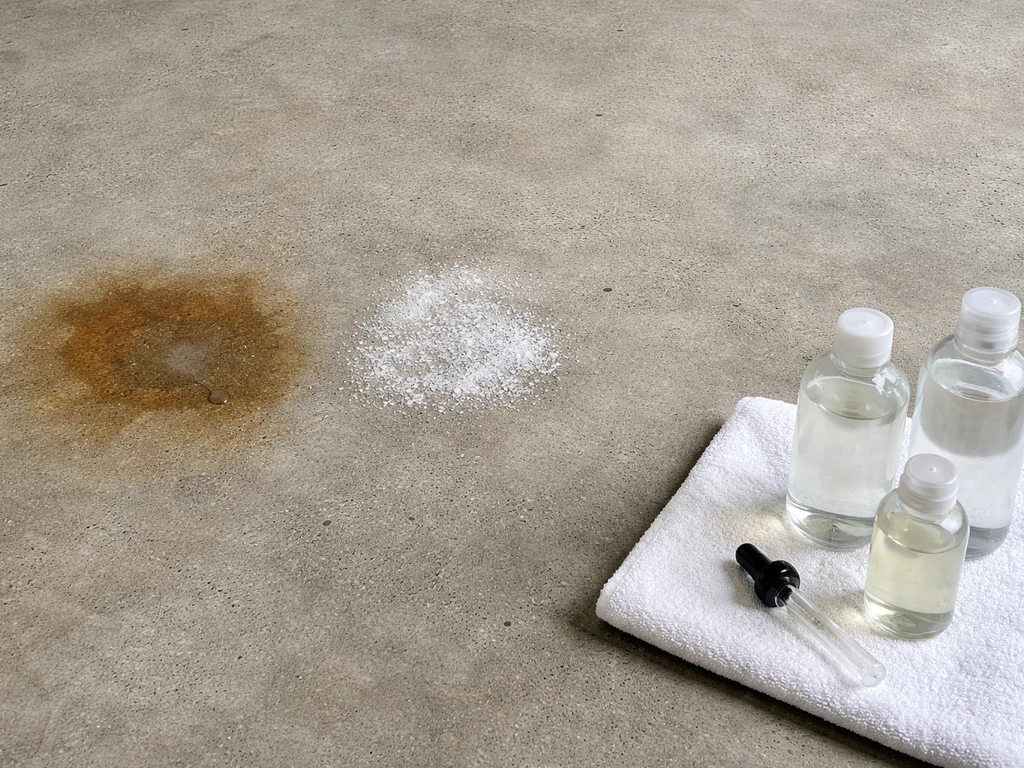
Enzyme-based cleaners specifically designed for pet waste are the right tool here. Washing powder does contain enzymes, but not at the concentration or type needed to break down the uric acid crystals in dried pet urine. A dedicated enzymatic pet stain remover applied and left to dwell will do what washing powder can't. For porous stone that has absorbed urine, multiple treatments may be needed.
Efflorescence and salt deposits
Sulfamic acid at the right dilution is the go-to for efflorescence. It dissolves the calcium carbonate and sulfate deposits without needing aggressive mechanical action. Follow the mix ratios on the product (a common guideline is around 6 oz per half gallon of warm water for concrete/masonry products, but always check the label). Note that sulfamic acid can etch natural stone surfaces like marble, travertine, and limestone, and can slightly change the appearance of cementitious grout, so test a hidden area first.
Do a test spot first, and what to do if it streaks or leaves residue
Before you commit washing powder to your entire patio, test a small area in an inconspicuous corner. Apply your diluted solution, scrub, rinse, and let it dry completely (at least a few hours, ideally overnight). Then check for: colour change or fading, streaking when dry, a chalky or soapy film, or any tonal difference compared to the untreated area. If any of those appear, stop and switch to a more appropriate cleaner.
If you've already applied washing powder and you're seeing streaks or a white chalky residue after drying, here's how to deal with it. Streaks are usually undissolved detergent or detergent that didn't fully rinse out. Re-wet the area with plain water and scrub with a brush to re-emulsify the residue, then rinse with sustained water flow. For a really stubborn soapy film on concrete or porcelain, a diluted white vinegar solution (about one part vinegar to four parts water) can help cut through alkaline detergent residue, rinse thoroughly with plain water afterwards. On natural stone, skip the vinegar (it's acidic and can etch the surface) and just use prolonged plain water rinsing instead.
Your plan for cleaning the patio today
Here's how to make a quick decision and get started without wasting time on the wrong approach. If you want the simplest answer, the best detergent to clean patio is the one matched to your patio material and the specific type of stains you are dealing with.
Step 1: Identify your surface and your problem
Concrete or porcelain with general grime and light green algae film? Washing powder with thorough rinsing is a reasonable starting point. Natural stone, sandstone, or slate? Skip it and go straight to a purpose-made cleaner. Any surface with rust, heavy moss, established lichen, or efflorescence? Washing powder is the wrong tool entirely, pick the right chemistry for the job.
Step 2: Choose your method
For washing powder on concrete or porcelain: one to two tablespoons per 10 litre bucket, pre-wet the surface, apply and dwell five to ten minutes, scrub with a stiff brush, rinse thoroughly with a hose or pressure washer on a low fan setting. If you have a pressure washer, use it for the rinse phase even if you scrub by hand, it gets the detergent out of textured surfaces far more effectively than a garden hose.
Step 3: Handle runoff responsibly
Patio cleaning washwater that runs into storm drains can affect local water quality. If you are wondering, are patio cleaners any good, the answer depends on the surface and whether you pick the right product for the grime you’re dealing with Patio cleaning washwater. Keep it minimal by using the right dilution (not more detergent than needed), avoid working immediately before heavy rain that will flush everything into the drain at once, and where possible direct runoff onto a lawn or planted area rather than straight into a hard drain. Local regulations on this vary, if you're using a chemical cleaner, TSP, or a biocide rather than plain washing powder, check your local guidance on washwater disposal.
Quick checklist before you start
- Confirmed your patio surface type and matched your cleaner to it
- Done a test spot on a hidden area if you're trying anything new
- Mixed at the correct dilution (don't eyeball a big scoop — measure it)
- Pre-wetted the surface before applying the cleaning solution
- Got a stiff-bristle brush or deck brush ready for scrubbing
- Have a hose with good pressure or a pressure washer ready for rinsing
- Planned where the washwater is going
- Will check the surface once fully dry before deciding if a second pass is needed
Washing powder is a legitimate patio cleaning option within a specific set of circumstances. Use it right and you'll save yourself the cost of a specialist product for straightforward cleaning jobs. Use it on the wrong surface, at the wrong concentration, or for the wrong problem, and you'll be dealing with more work than you started with. For anything beyond light grime, a dedicated patio cleaner, oxygen bleach product, or targeted chemistry is going to give you a better result with less risk. If you're considering sodium hypochlorite (bleach) for patio cleaning, the strength depends on the material and stain type, so follow label-dilution guidance carefully.
FAQ
Can I use washing powder to clean a patio with heavy stains, or is it only for light grime?
Not usually. If you want a quicker, cleaner result on textured concrete, porcelain, or tiles, pre-wet first and then keep your mix at the low end (about 1 to 2 tablespoons per 10 litre bucket). Also, limit dwell time to around 5 to 10 minutes, because longer contact increases the chance of chalky residue, especially in grout lines.
Will using a pressure washer make washing powder residue less of a problem on patios?
Yes, but only if you control two things: rinse thoroughly and keep pressure on the rinse phase rather than blasting the detergent in. Washing powder residue can get trapped in pores, so after scrubbing use a low fan setting for the rinse and do a second rinse on porous surfaces like old brick or natural stone.
Is it safe to combine washing powder with bleach or other patio cleaners for tougher results?
Avoid mixing washing powder with chlorine bleach or strong acids. Washing powder can be alkaline and may react unpredictably with other chemicals, and the combination can increase damage risk to stone and grout. If you need to switch products, rinse and let the area dry fully before applying the next cleaner.
If algae comes back quickly, does that mean washing powder failed?
If you notice algae returning, washing powder alone may not prevent regrowth because it mostly removes the surface film. For recurring green staining, use an oxygen-based patio cleaner with appropriate dwell time or a targeted algaecide product, then improve conditions by trimming overhanging plants and improving drainage or airflow.
How do I know if washing powder will cause white or chalky patches on a dark patio?
On dark sandstone, slate, or naturally mottled stone, you can end up with visible light patches due to optical brighteners or uneven residue. This is why a hidden-area test matters, and why the safest choice on sandstone or slate is usually a purpose-made stone cleaner instead of standard washing powder.
Can washing powder remove dried pet urine stains and smell from patios?
For dried pet urine, washing powder is generally not the right solution because it will not reliably break down urine crystals. A dedicated enzymatic pet stain remover, applied and left to dwell per the label, is usually needed, and porous stone may require multiple treatments.
What should I do if I see white salt-like bloom after cleaning with washing powder?
On efflorescence, using washing powder can worsen the appearance by leaving dissolved salts behind after evaporation. If the white bloom is saltlike and reappears, switch to sulfamic acid-based products designed for efflorescence, and do not over-scrub during the chemical dwell since the goal is controlled dissolving.
My patio looks streaky after washing powder. How can I fix it without damaging the surface?
If you see streaks after drying, treat it as rinse failure first. Re-wet and scrub to re-emulsify residue, then rinse with sustained water flow. On concrete or porcelain, a diluted vinegar rinse may help only after the soap residue is already identified, but skip vinegar on natural stone to avoid etching.
How much washing powder should I use if my patio has lots of grout lines?
Be especially cautious around grout. Excess powder builds up in grout joints and can create dull, lighter channels that do not fully wash out. Use the low dosage, pre-wet, and rinse with enough water volume that you can see the runoff clear before stopping.
What’s the best way to prevent patio wash runoff from going into storm drains?
Plan timing around runoff. Avoid working right before heavy rain, and minimize chemical-containing washwater reaching storm drains. If possible, direct runoff to a lawn or planted area (where allowed locally) and follow local guidance for disposal if you used anything beyond plain washing powder.
Next Article
What Is Good for Cleaning Patios Use for Every Surface
Match patio cleaner to concrete, stone, brick or slate, remove mold, algae, rust, grease with safe step-by-step methods.