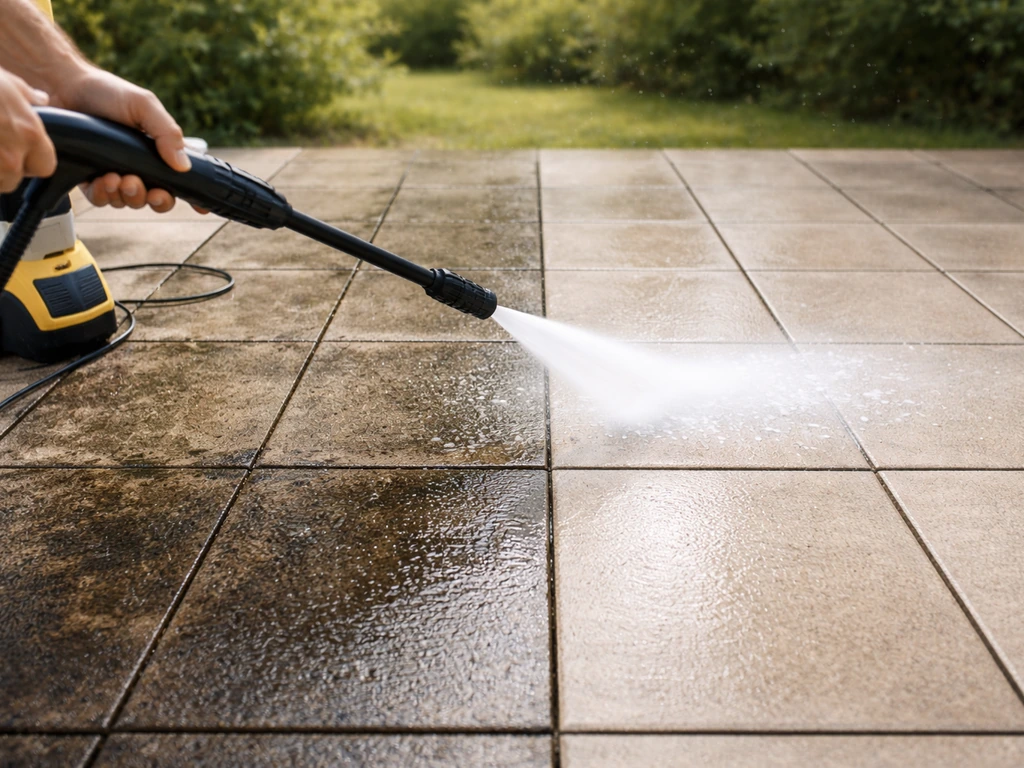
The best high-performance patio cleaner system for most homeowners right now is a sodium percarbonate (oxygen bleach) based cleaner for biological growth like mold, algae, and moss, paired with a dedicated acidic cleaner for rust, efflorescence, or mineral stains, applied with a stiff brush or a pressure washer set to the right PSI for your surface. The key is matching the chemistry to what you're actually dealing with and making sure it's safe for your specific patio material. Get those two things right and you'll see real results in a single afternoon.
Top Tech Patio Cleaner: Best Options by Surface and Stain
Rhea Lang
11 Jun 2026
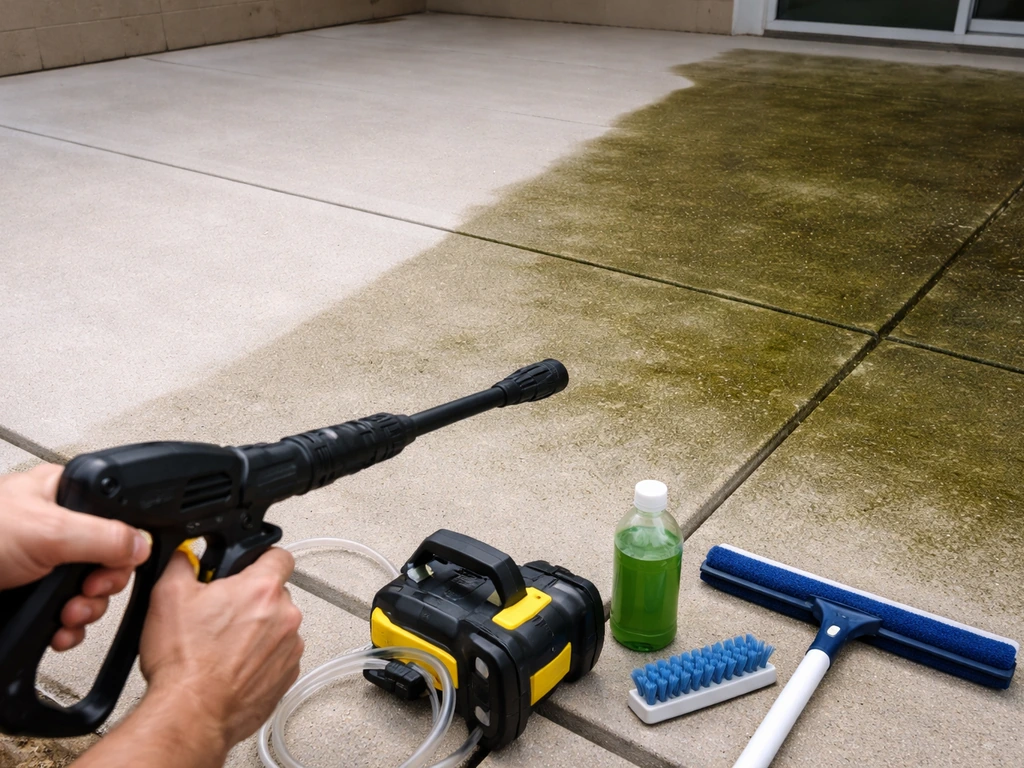
What 'top tech patio cleaner' actually means
When people search for a top tech patio cleaner, they usually mean one of two things: either they want a genuinely high-performing product that cuts through grime, algae, and staining without half a day of scrubbing, or they're looking for a complete system combining the right chemical cleaner with the right application method and equipment. Both interpretations are valid, and this guide covers both.
The 'tech' part matters because patio cleaning has evolved beyond a bucket of soapy water and a stiff broom. Modern formulations use oxidising chemistry (sodium percarbonate), targeted acid-based treatments for mineral deposits and rust, and purpose-built cleaning attachments that cover three times the area in half the time. Choosing the right product is less about brand names and more about understanding three things: your surface material, the type of staining or growth, and how you plan to apply it.
The quick decision framework before you buy anything
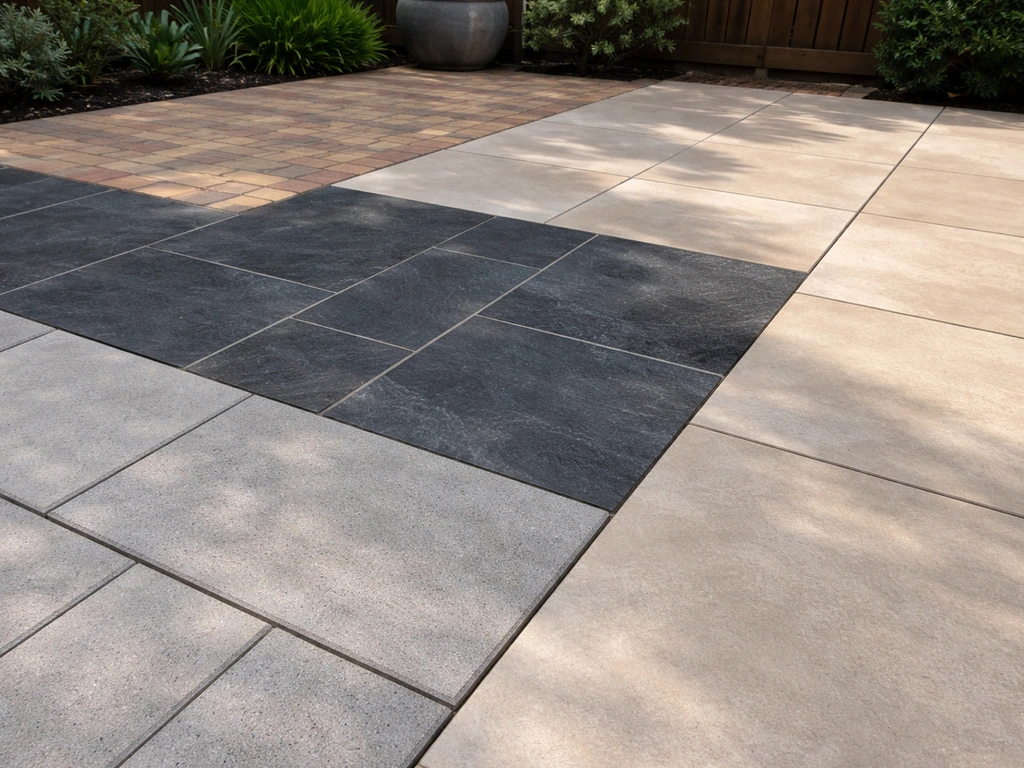
- Identify your surface: concrete, natural stone, brick, sandstone, slate, or porcelain.
- Identify your problem: green/black algae or moss, mold, rust, grease, efflorescence (white powdery deposits), pet stains, or general ingrained dirt.
- Decide on your method: scrub and soak, pressure washing, or a combination.
- Match the chemistry to the surface and stain type, then pick compatible application equipment.
Match your cleaner chemistry to your patio surface
This is where most people go wrong. They grab a single 'patio cleaner' off a shelf and wonder why it left their sandstone looking patchy or stripped the colour from their slate. Different surfaces have very different tolerances for acid, alkaline cleaners, and abrasion. Here's how to read your patio and pick accordingly.
| Surface | Safe Chemistry | Avoid | Notes |
|---|---|---|---|
| Concrete | Sodium percarbonate, acidic rust/efflorescence removers (diluted), alkaline degreasers | Undiluted strong acids left to dwell | Handles most cleaner types well; rinse acid products immediately after use |
| Brick & Stone (general) | Sodium percarbonate, pH-neutral or mildly acidic cleaners | High-concentration acid cleaners, bleach at full strength | Test in a hidden area first; porous surface absorbs cleaners quickly |
| Sandstone | pH-neutral or very mild alkaline cleaners, sodium percarbonate at low concentration | Any acid-based cleaner, harsh bleach | Extremely acid-sensitive; acid etching is irreversible on sandstone |
| Slate | pH-neutral cleaners, very mild sodium percarbonate solution | Strong acids, high-alkaline detergents | Slate can flake or lose its sheen with aggressive chemistry |
| Porcelain | Most cleaners tolerated including sodium percarbonate and mild acid | Abrasive scrubbing pads, very strong acids neat | Least porous surface; easiest to clean; grout lines still need care |
Concrete and porcelain are the most forgiving. Sandstone and slate are the most demanding. If you're unsure, pH-neutral or sodium percarbonate-based products are the safest starting point for almost any surface. Always read the product label for surface compatibility before you open the bottle.
Targeting the specific problem: mold, algae, moss, rust, grease, and pet stains
Mold, algae, and moss (biological growth)
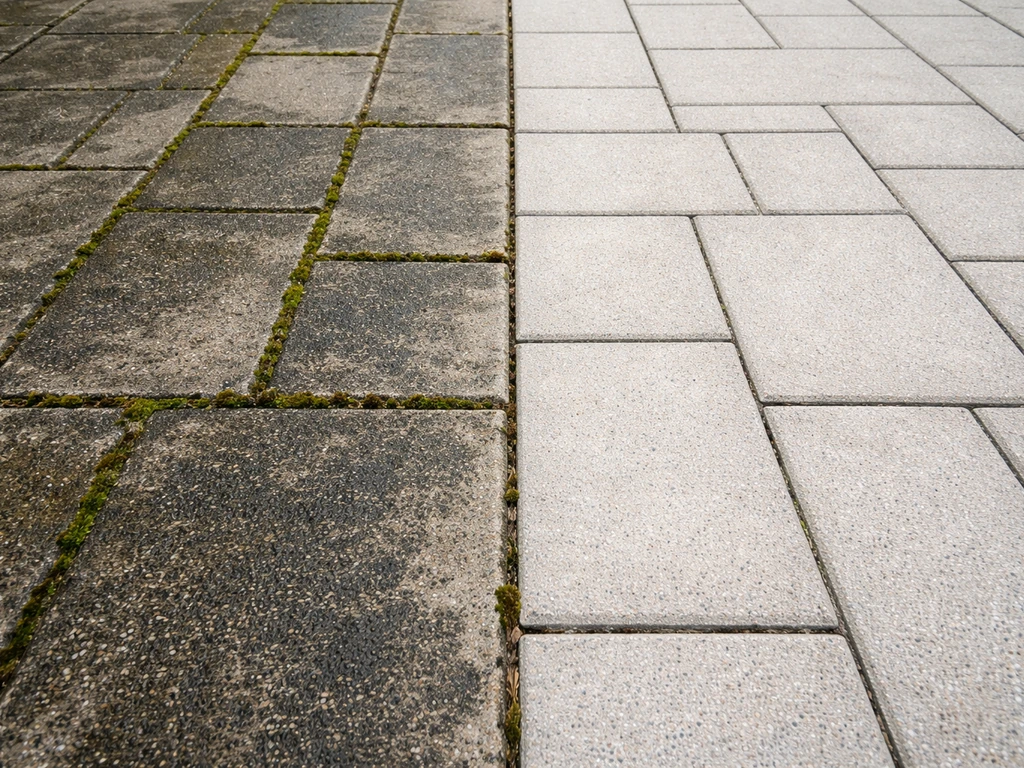
Sodium percarbonate-based cleaners are the go-to here. When mixed with water, sodium percarbonate releases active oxygen, which breaks down the cell structure of mold, algae, and moss. It's genuinely effective, far less aggressive on surfaces than chlorine bleach, and biodegrades into soda ash and water. A typical dwell time of around 10 minutes before scrubbing is enough on most patios. For heavy moss infestations, you may need a second pass or a dedicated biocidal patio cleaner that contains a residual active ingredient to slow regrowth.
Rust stains
Rust stains on patios usually come from metal furniture legs, garden tools left sitting on wet stone, fertiliser granules (which contain iron), or iron-rich aggregate in the concrete itself. You need an acidic iron-oxide dissolving product, not a general patio cleaner. Products in this category (such as Techniseal Rust Remover for Pavers, Rid-O-Rust, or Euclid Chemical EUCO R&E Cleaner) work by converting or dissolving the iron oxide. The critical rule with these: rinse immediately and thoroughly with clean water after the product has worked. Leaving acidic rust remover on the surface too long can cause spotting, especially if your pavers already have efflorescence, because the acid interacts with the salt deposits and creates a patchy appearance.
Efflorescence (white powdery deposits)
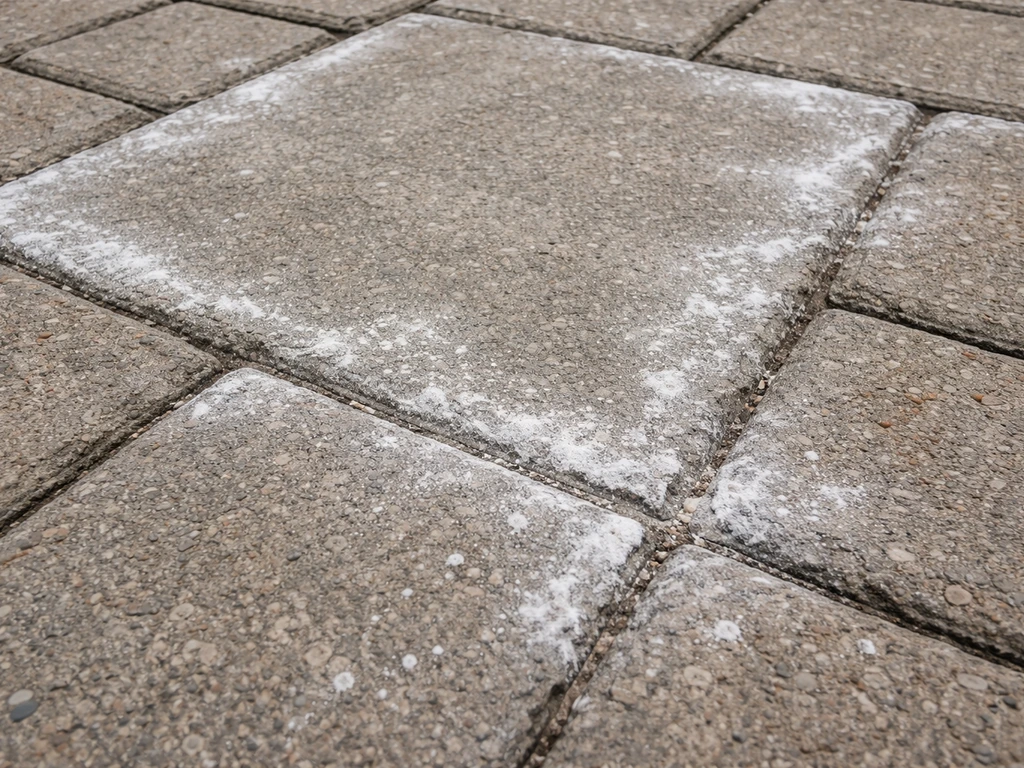
Efflorescence is that chalky white haze or powder you see on concrete slabs and pavers. It's caused by soluble salts migrating to the surface as water evaporates. Dedicated efflorescence cleaners like Techniseal Paver Prep, RadonSeal Efflorescence Cleaner, or Quikrete Efflorescence and Rust Remover use acidic chemistry to dissolve the salt crust. blank" rel="noopener noreferrer">Work in manageable sections of around 100 to 200 square feet at a time so you can control the dwell and rinse before the product dries. RadonSeal's formulation is notable in that it doesn't require a neutralisation step, but you still need to rinse thoroughly with clean water and let the surface dry completely before sealing or applying any further treatment.
Grease and oil stains
For grease from BBQs, cooking oil, or motor oil, you need an alkaline degreaser, not an acid product. Look for a concentrated alkaline or solvent-based patio degreaser. Apply it neat or at a low dilution, let it emulsify the grease for 5 to 10 minutes, then agitate with a stiff brush and rinse hard. On porous surfaces like sandstone or brick, grease can penetrate deeply and may need two or three applications. A hot water rinse (from a pressure washer rather than a garden hose) makes a significant difference here. A best patio power washer choice also depends on your surface and the PSI range you use, so you don't damage joints or porous materials pressure washer.
Pet stains and urine odours
Pet urine leaves a combination of organic staining and an ammonia-based odour that standard cleaners won't fully remove. An enzyme-based outdoor cleaner is the right tool: the enzymes break down the uric acid crystals that standard detergents leave behind. Apply generously, let it sit for 15 to 20 minutes, scrub lightly, then rinse. On porous concrete or stone, repeat applications may be needed. Sodium percarbonate also works reasonably well on pet stains as a deodoriser and stain lifter, though enzyme cleaners are more targeted.
How to use your cleaner today: the step-by-step process
- Clear the patio: move all furniture, pots, and loose items off the area. Sweep away loose debris, leaves, and dry dirt. This matters more than people think because debris soaks up your cleaner and dilutes it before it reaches the surface.
- Pre-rinse with water: a garden hose or a quick pass with a pressure washer on a wide fan setting wets the surface and helps the cleaner penetrate evenly rather than soaking into dust.
- Test patch first: apply your chosen cleaner to a small inconspicuous area (about 30 x 30 cm) and leave it for the recommended dwell time. Check for any discolouration, bleaching, or surface change before treating the whole patio.
- Apply the cleaner in sections: work in areas of roughly 100 to 200 square feet. Larger than this and the product can dry before you rinse, leaving residue or tide marks.
- Allow dwell time: follow the product label, but as a general guide, around 10 minutes for sodium percarbonate-based cleaners on mold and algae. Acidic rust and efflorescence removers often work faster, some in 2 to 5 minutes, and should be rinsed before they dry.
- Agitate where needed: a stiff deck brush or a pressure washer surface cleaner attachment breaks up stubborn growth and lifts ingrained dirt. For rust and efflorescence on flat pavers, light agitation with a brush is usually enough.
- Rinse thoroughly: flush the treated section completely with clean water before moving on. On acidic treatments, thorough rinsing is non-negotiable.
- Repeat on stubborn areas: heavy biological growth and deep stains rarely disappear in one pass. A second application after the surface dries usually handles what the first pass loosened.
Pressure washing vs chemical cleaner vs scrub-and-soak: which approach actually works
Each method has its place, and the honest answer is that combining chemistry with mechanical action usually beats either approach alone. Here's how to think about it.
Pressure washing on its own
A pressure washer is excellent for rinsing, for surface-level algae and light dirt, and for covering large areas quickly. If you want the best patio jet wash results, pair the right nozzle and PSI with chemical pre-treatment so staining, algae, and rust are actually lifted, not just sprayed around. But without a chemical pre-treatment, it rarely removes deep staining, kills biological growth at the root, or touches rust or efflorescence.
It also carries a real risk of surface damage if used at the wrong PSI. For concrete, the accepted range is around 3,000 to 3,500 PSI paired with a flow rate of roughly 3 to 4 GPM. For pavers and natural stone, drop that to around 1,200 to 1,800 PSI to avoid erosion and joint sand disturbance.
Keep the nozzle around 12 inches from the surface, use fan or surface-cleaner attachments rather than a pinpoint jet, and keep the nozzle moving continuously. Stopping in one place or angling the jet too steeply will mark or pit the surface.
Chemical cleaner on its own (scrub-and-soak)
For rust, efflorescence, and deep staining, chemistry is doing the real work anyway, and a hard scrub plus a good rinse with a garden hose is often enough. This approach is better for delicate surfaces like sandstone and slate where pressure washing risks damage, and it's more controllable. The limitation is time and effort: manual scrubbing on a large patio is slow, and a garden hose doesn't deliver the rinse volume a pressure washer does.
The combined approach (usually best)
Pre-treat with the correct chemistry, let it dwell, then use a pressure washer on the appropriate setting to rinse and finish. A good way to find the best jet washer for patio work is to match the washer and nozzle to your surface and stain type. This gives you the cleaning power of both methods, cuts the scrubbing effort dramatically, and produces a cleaner end result.
It's how professional patio cleaners approach the job, and it's the method worth building around if you're going to invest in decent equipment. If you're comparing different equipment options, the guides on choosing between a jet washer, surface cleaner, or dedicated patio washing machine are worth reading alongside this. If you want the simplest route to the best patio cleaning machines, look for models designed for surface-cleaner attachments and consistent rinse control dedicated patio washing machine.
Cleaner and equipment pairings: what to use together
Here's a practical breakdown of recommended pairings based on surface and problem. Equipment choices matter as much as the cleaner, especially when it comes to nozzle selection.
| Situation | Cleaner Type | Application Method | Equipment Notes |
|---|---|---|---|
| Concrete with algae/moss/mold | Sodium percarbonate cleaner | Pre-treat, dwell 10 min, scrub, rinse | Pressure washer at 2,500–3,000 PSI with surface cleaner attachment; 25-degree fan nozzle for rinsing |
| Concrete with rust stains | Acidic rust remover (iron-oxide dissolving) | Apply, dwell 2–5 min, rinse immediately | Garden hose or low-pressure rinse; avoid high-pressure nozzle directly on treated spots |
| Concrete with efflorescence | Dedicated efflorescence cleaner (acidic) | Apply in 100–200 sq ft sections, dwell, scrub, rinse | Stiff brush + garden hose, or low PSI pressure wash rinse |
| Pavers (concrete/brick) with algae | Sodium percarbonate or biocidal patio cleaner | Pre-treat, dwell, rinse | Pressure washer at 1,200–1,800 PSI; surface cleaner attachment; avoid disturbing joint sand |
| Sandstone/slate with algae or mold | pH-neutral or mild sodium percarbonate solution | Apply gently, dwell 10 min, soft brush, rinse | Low-pressure rinse only (under 1,200 PSI); no turbo or pencil-jet nozzles |
| Porcelain with general grime | Sodium percarbonate or pH-neutral cleaner | Pre-treat, dwell, rinse | Pressure washer at 1,500–2,000 PSI; surface cleaner or 25-degree nozzle |
| Any surface with grease | Alkaline degreaser | Apply neat, dwell, scrub, hot rinse | Hot water pressure washer ideal; standard washer with fan nozzle acceptable |
| Any surface with pet stains | Enzyme-based outdoor cleaner | Apply generously, dwell 15–20 min, scrub, rinse | Garden hose rinse usually sufficient; low-pressure wash for large areas |
On nozzle selection: a surface cleaner attachment (the spinning disc-style head) is worth the investment if you're cleaning more than about 20 square metres regularly. It cleans faster than a wand, leaves no striping marks, and is gentler on the surface than a single fan nozzle held close. For occasional use, a 25-degree fan nozzle is the safe default for rinsing most patio surfaces. Avoid zero-degree or pencil-jet nozzles on any patio material.
If you're in the market for a pressure washer specifically for patio work, there are detailed comparisons of electric pressure washers and patio washers that break down the PSI and flow-rate specs you actually need. If you are specifically shopping for the best patio washer, compare PSI, flow rate, nozzle options, and compatibility with surface-cleaner attachments.
A high-quality best electric patio cleaner can make the rinse and scrubbing step much faster while you still rely on the correct cleaner chemistry for the stains. If you want the best patio power washer results, match the PSI and nozzle choice to your patio surface before you rinse.
Troubleshooting, aftercare, and stopping it coming back
Streaking and tide marks after cleaning
Streaks usually mean the product dried before you rinsed it, or you rinsed in sections and the dirty rinse water ran over already-cleaned areas. The fix is to rinse from the top down and keep the whole section wet during cleaning. If streaks have dried in, a second application of the cleaner followed by a more thorough rinse usually removes them. On concrete and pavers, a dilute efflorescence cleaner can also lift dried residue lines.
Rust stains that won't budge
If a standard acidic rust remover hasn't shifted the stain after two passes, the iron has likely penetrated deeper into the surface. Try applying the product and covering it with damp cloth or plastic sheeting to extend the contact time without letting it dry. On concrete, a poultice method (mixing the acidic cleaner with an absorbent material like diatomaceous earth, applying as a paste, and leaving covered for several hours) can draw out deep rust from porous surfaces. I learned this the hard way trying to shift a rust ring left by a steel plant pot on limestone: the quick spray-and-rinse approach barely touched it, but a 4-hour poultice pulled it almost completely.
Biological regrowth (moss and algae coming back fast)
If algae and moss return within a few weeks of cleaning, you have an underlying moisture or shade problem that cleaning alone won't solve. Some practical options: apply a long-residual biocidal treatment after cleaning (some patio biocides claim 6 to 12 months of preventive action), improve drainage around the patio edges, trim back overhanging plants or structures that keep the surface in permanent shade, and consider sealing the patio surface. A quality patio or paver sealer creates a barrier that makes it significantly harder for biological growth to grip, and it also makes future cleaning much faster. For concrete and pavers specifically, a sealer application after an efflorescence cleaner and paver prep treatment is the logical follow-on step.
Persistent grease and pet odour after cleaning
If grease keeps reappearing in the same spot, there's likely a residual oil deposit in the pores of the surface. A second degreaser application followed by hot water rinsing should shift it. For porous concrete or sandstone, a penetrating sealer after degreasing helps prevent future oil absorption. For pet odour on porous surfaces, the enzyme cleaner needs multiple applications over several days to fully break down uric acid crystals at depth. Don't mask it with a fragrance product; it won't resolve the chemistry problem.
Basic safety reminders
- Wear chemical-resistant gloves and eye protection when using acidic rust removers or efflorescence cleaners. These are not casual products.
- Never mix different cleaner types, especially acidic and alkaline products, in the same bucket or spray line.
- Keep pets and children off the treated area until fully rinsed and dry.
- Check the weather before you start: rain immediately after applying a residual biocide or sealer will wash it away. Aim for a dry window of at least 24 hours for aftercare products.
- When pressure washing, never direct the jet at yourself, others, or fragile features like old mortar joints or cracked tiles.
Done in the right order, with the right products, a full patio clean can genuinely transform the look of an outdoor space in half a day. The investment in a decent cleaner matched to your surface and a couple of hours of proper prep pays off far better than using an all-purpose product at random and hoping for the best.
FAQ
What’s the safest “top tech patio cleaner” setup if I’m not sure what’s on my patio (mold, minerals, rust, grease)?
Start with a sodium percarbonate oxygen cleaner for biological growth, because it’s broadly safer across common patio surfaces. Only move to an acidic rust or efflorescence product after you’ve confirmed the staining is mineral or iron-based. If the area is greasy, treat first with an alkaline degreaser, since acid can set or smear some oil residues.
Can I mix oxygen bleach (sodium percarbonate) and acidic rust or efflorescence cleaner in the same session?
No. Don’t combine them or apply one immediately after the other. Do an oxygen clean first, then rinse thoroughly and let the surface dry before any acid treatment. Mixing risks ineffective cleaning and can increase the chance of spotting or uneven residue.
How long should I let the cleaner dwell before scrubbing or rinsing?
For oxygen-based cleaners, about 10 minutes is a typical working dwell time. For efflorescence and rust removers, the “work time” is usually shorter than people think, because leaving acid on too long can create patchy effects, especially where salt deposits already exist. When in doubt, do a small test patch and rinse as soon as the stain lift is visible.
Why do I get patchy or spotted results after rust or efflorescence treatment?
Two common causes are acid left on too long and uneven rinsing. Rust remover can interact with existing salt deposits, creating a mottled look. The fix is immediate, thorough rinsing after dwell, and cleaning in controlled sections so the product does not dry on the surface.
Do I need to neutralize after using an efflorescence cleaner?
Some products are formulated without a separate neutralization step, but you still need thorough water rinsing. Check the label for that specific brand, then let the patio dry completely before any sealing or follow-up treatment.
What pressure washer PSI should I use if my patio is older or crumbling?
If the surface is degraded, start lower than the usual recommended range and test in an inconspicuous spot. Higher pressure can erode joints, lift surface aggregate, or worsen existing spalling. For pavers and natural stone, staying in the lower 1,200 to 1,800 PSI range (and using a surface cleaner attachment) reduces the risk.
How do I prevent striping marks when using a pressure washer on a patio?
Use a surface-cleaner attachment if possible, keep the nozzle at a consistent distance, and never stop the jet in one place. Also rinse from top down and avoid letting pre-treatment dry unevenly, because dried residues can be redeposited as visible lines.
What’s the fastest way to avoid streaks after cleaning?
Work in small sections and keep the whole section wet during the rinse, then rinse from top to bottom. If streaks already dried in, apply a second pass and rinse more thoroughly. On concrete and pavers, a dilute efflorescence cleaner can help lift residue lines caused by salts.
How can I tell whether a stain is rust versus efflorescence versus grease?
Rust often shows as reddish-brown spotting tied to metal contact points. Efflorescence looks like a chalky white haze or powder that forms as water evaporates and soluble salts migrate. Grease tends to be darker, can feel slick or attract more dirt over time, and often responds to alkaline degreasing, not acid.
If algae or moss returns quickly, what should I do differently next time?
Cleaning alone may not solve the cause. Improve shade and moisture conditions (trim overhanging plants, address drainage), then apply a long-residual biocidal treatment after cleaning. If you seal afterward, choose a sealer appropriate for concrete or pavers, and ensure the surface is fully dry before application.
Will sealing my patio trap dirt or make future cleaning harder?
Sealing generally makes future cleaning easier, because biological growth and grime have less grip, but it only works if the patio is properly prepped first. After efflorescence cleaning and paver prep, let everything dry completely, then apply the correct sealer for your surface type.
What’s the best approach for pet urine stains on porous patio materials?
Use an enzyme-based outdoor cleaner, because it targets uric acid crystals that typical detergents leave behind. For porous stone or concrete, expect multiple applications over several days, and don’t cover the issue with fragrance products that mask odor without fixing the chemistry.
My grease keeps coming back in the same spot, what’s the likely cause and remedy?
A residual oil deposit in the pores can keep reappearing. Apply a second alkaline degreaser treatment, then rinse with hot water (pressure washer rinse tends to work better than a gentle hose). After degreasing, a penetrating sealer on porous concrete or sandstone can help reduce future oil absorption.
Is it worth using a surface-cleaner attachment instead of a wand for “top tech patio cleaner” results?
If you clean more than about 20 square metres regularly, a surface-cleaner attachment is usually worth it because it reduces striping risk and cleans more evenly and quickly. For occasional work, a 25-degree fan nozzle is a safer default than zero-degree nozzles, which can damage most patio surfaces.
Next Article
Best Electric Patio Cleaner: Buy and Use Guide for 2026
Choose the best electric patio cleaner for your surface and stains, with steps, nozzle tips, safety, and care.